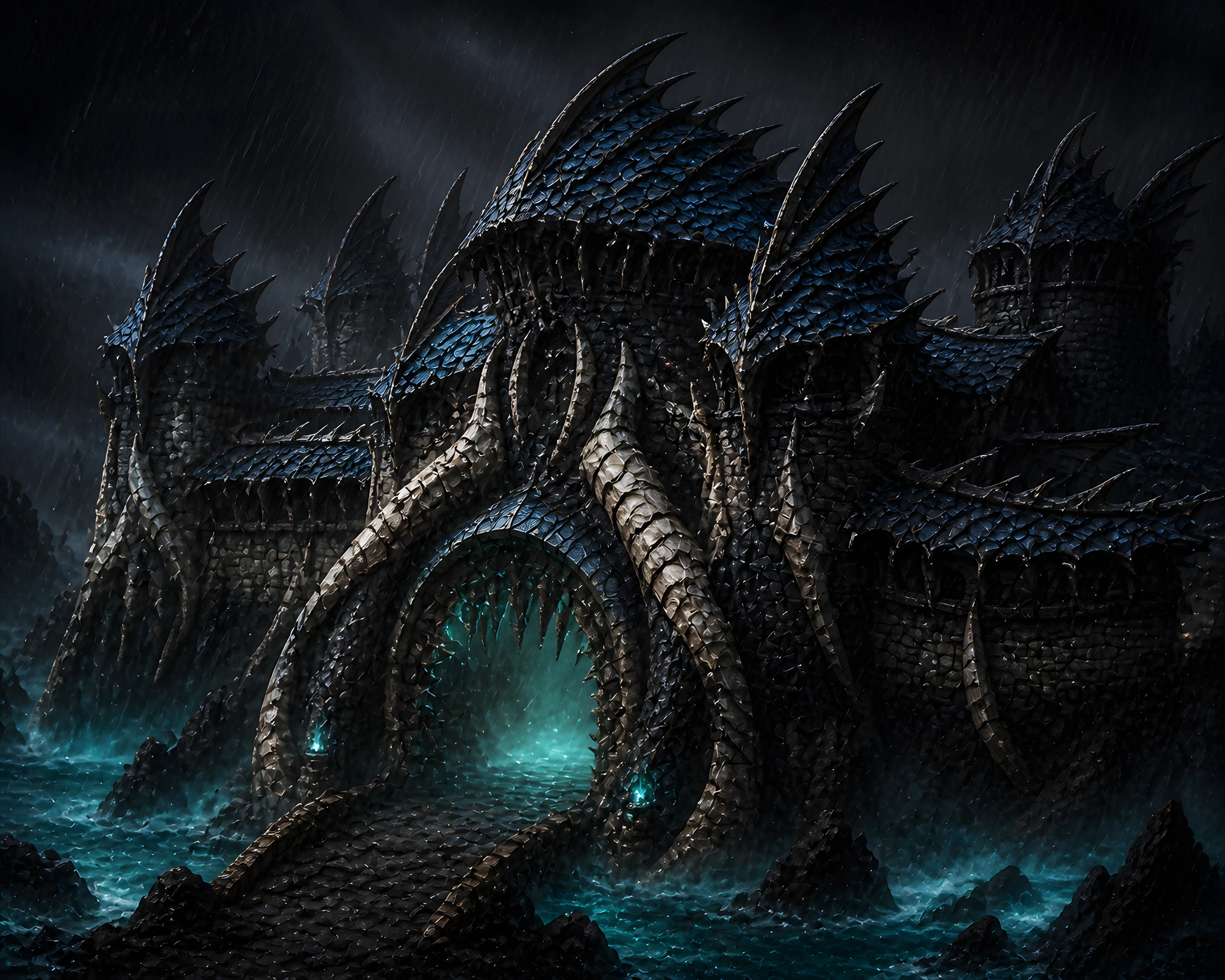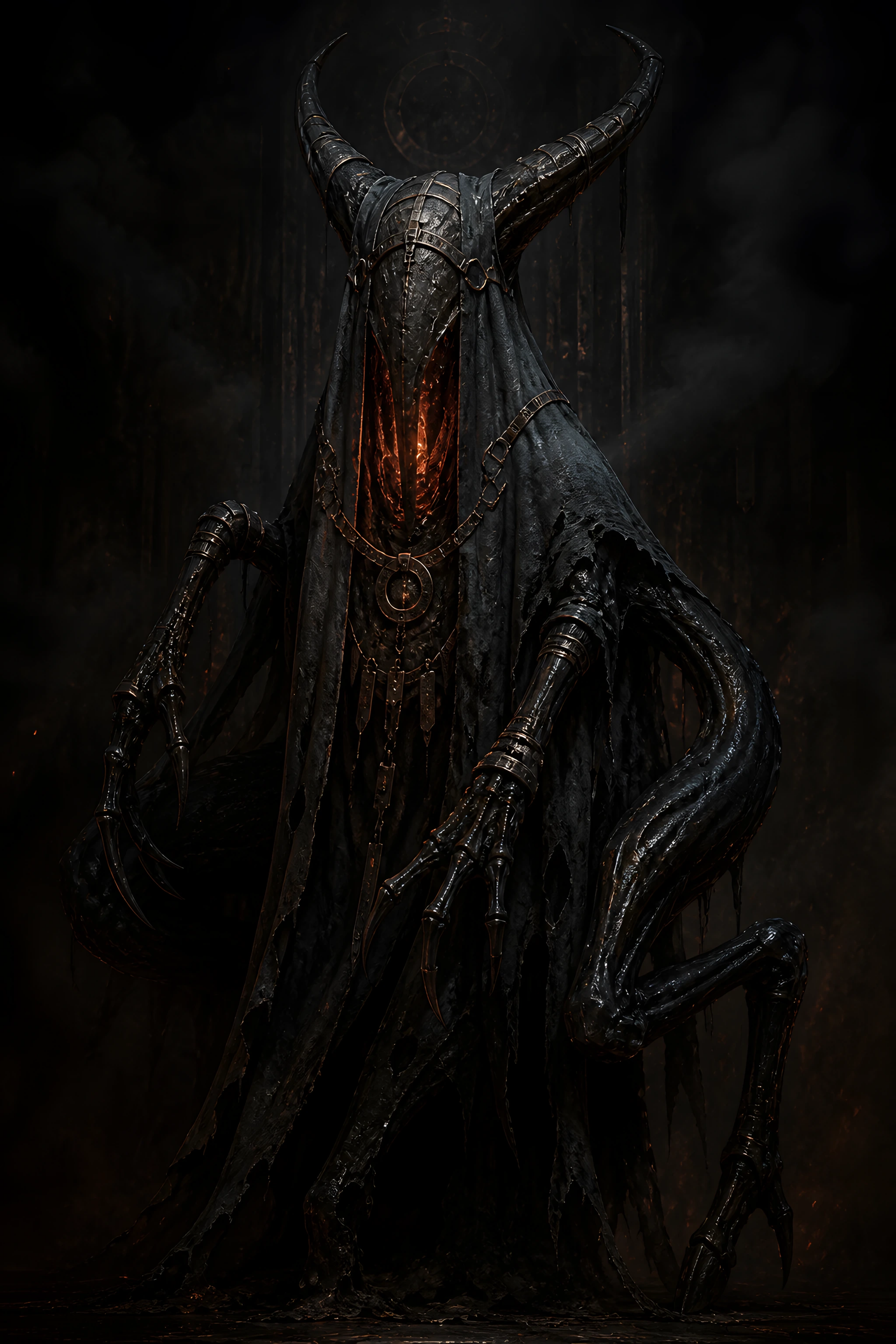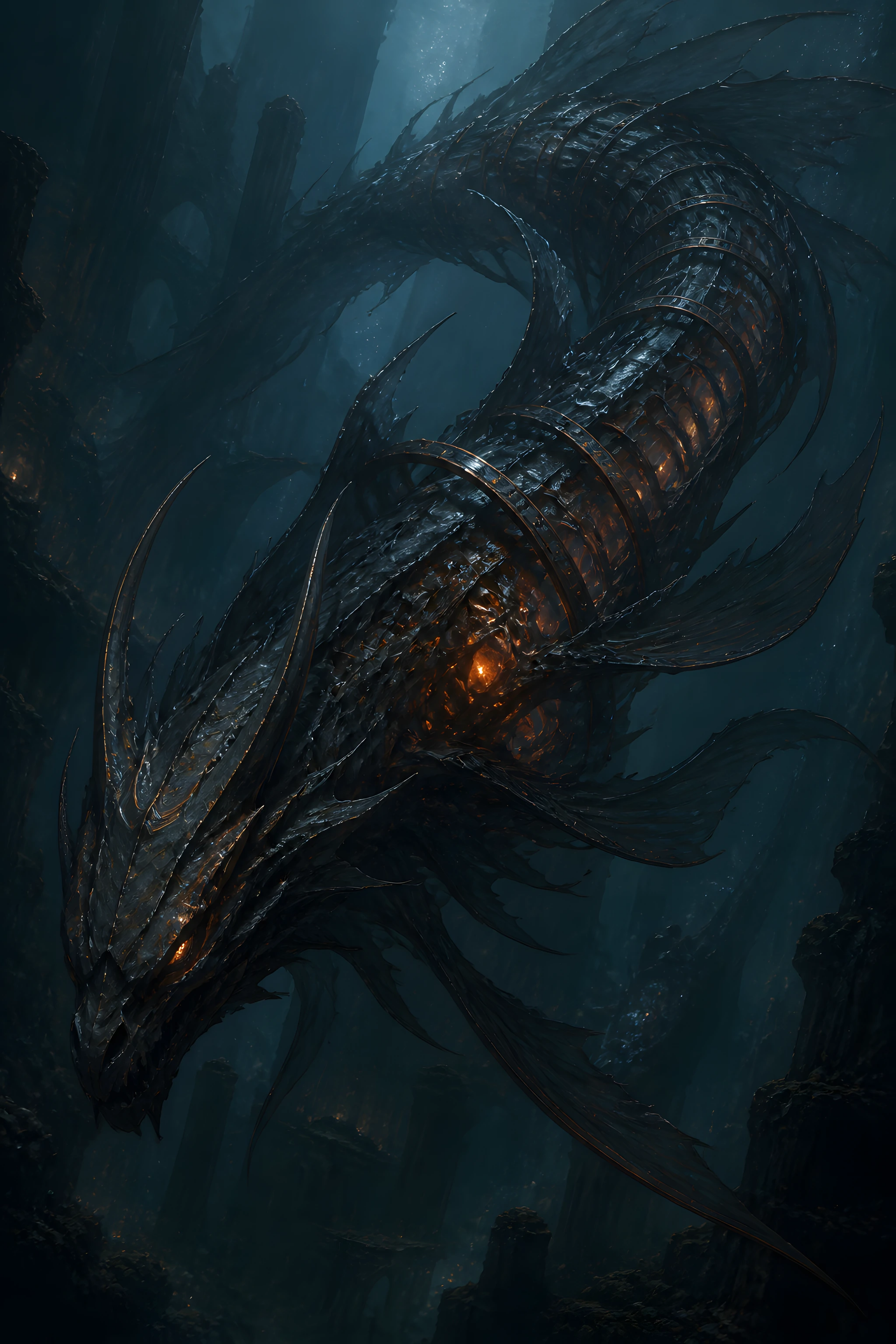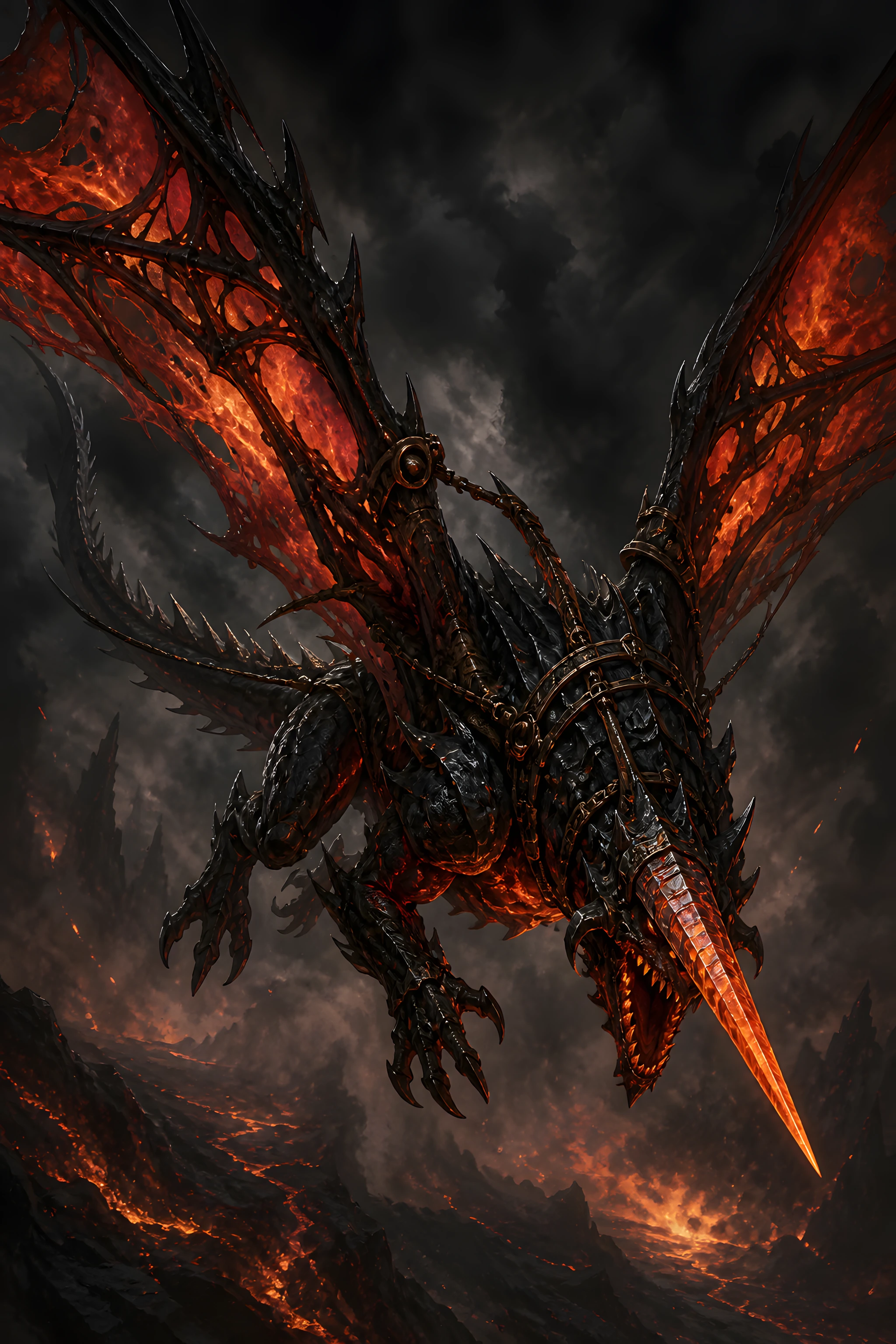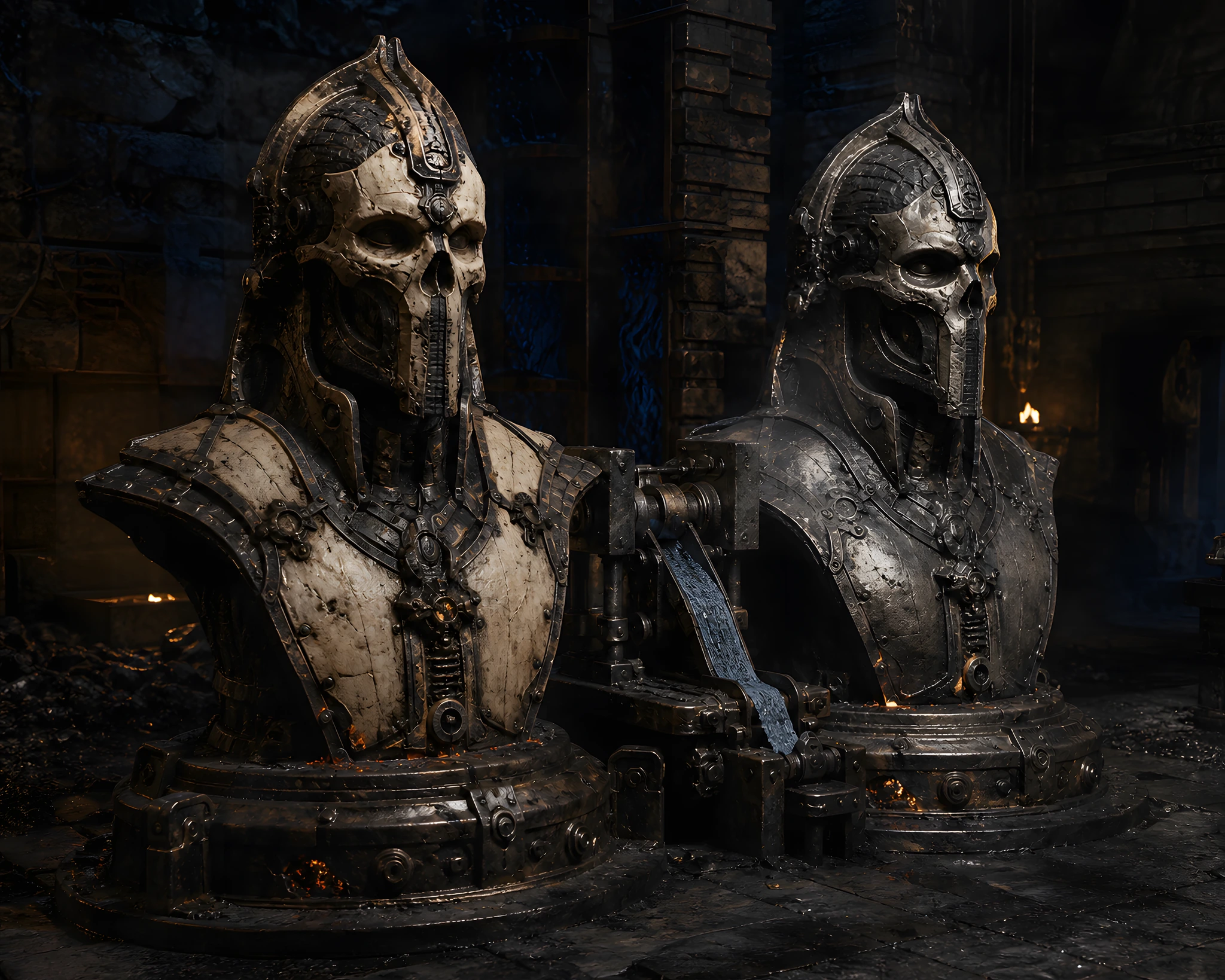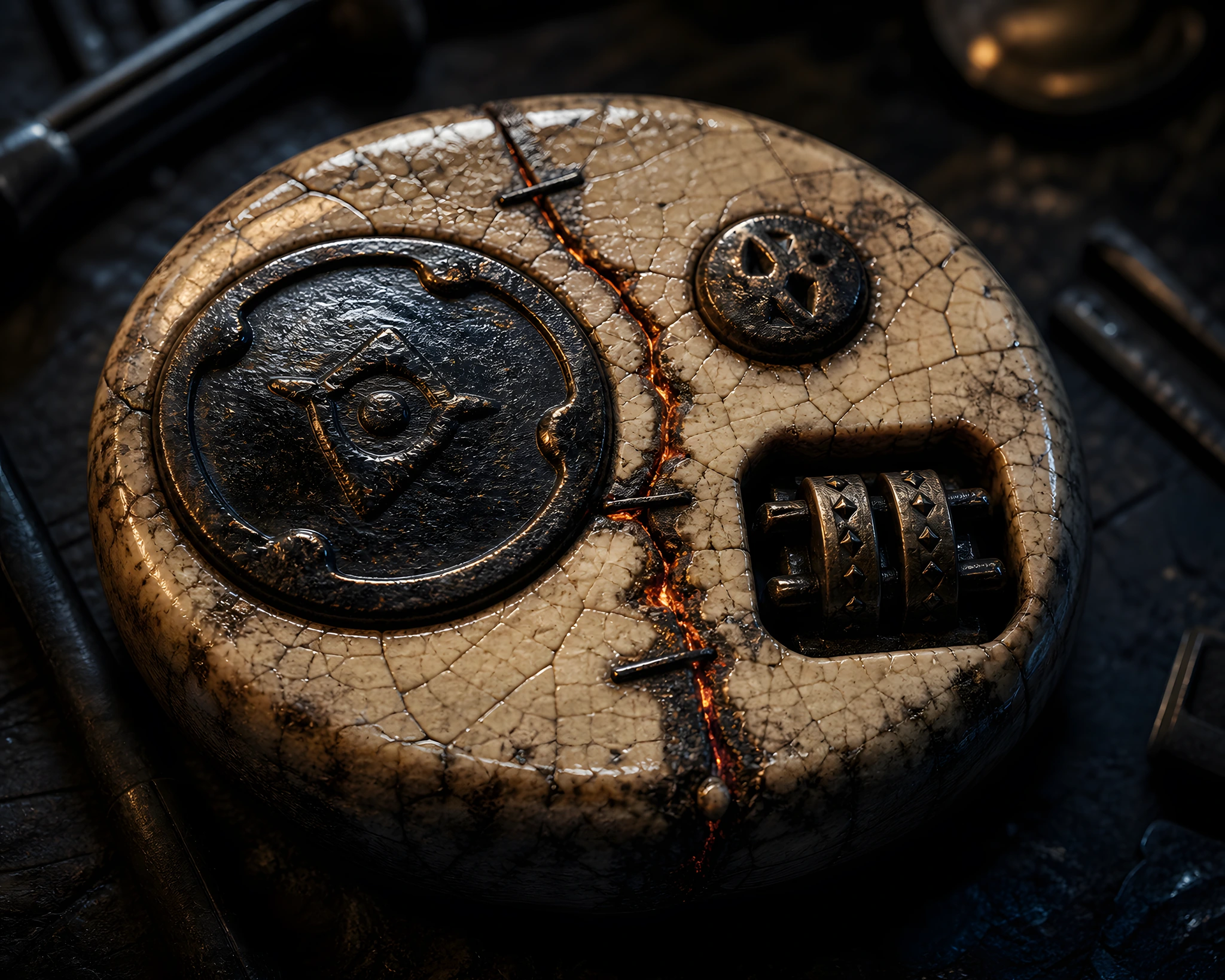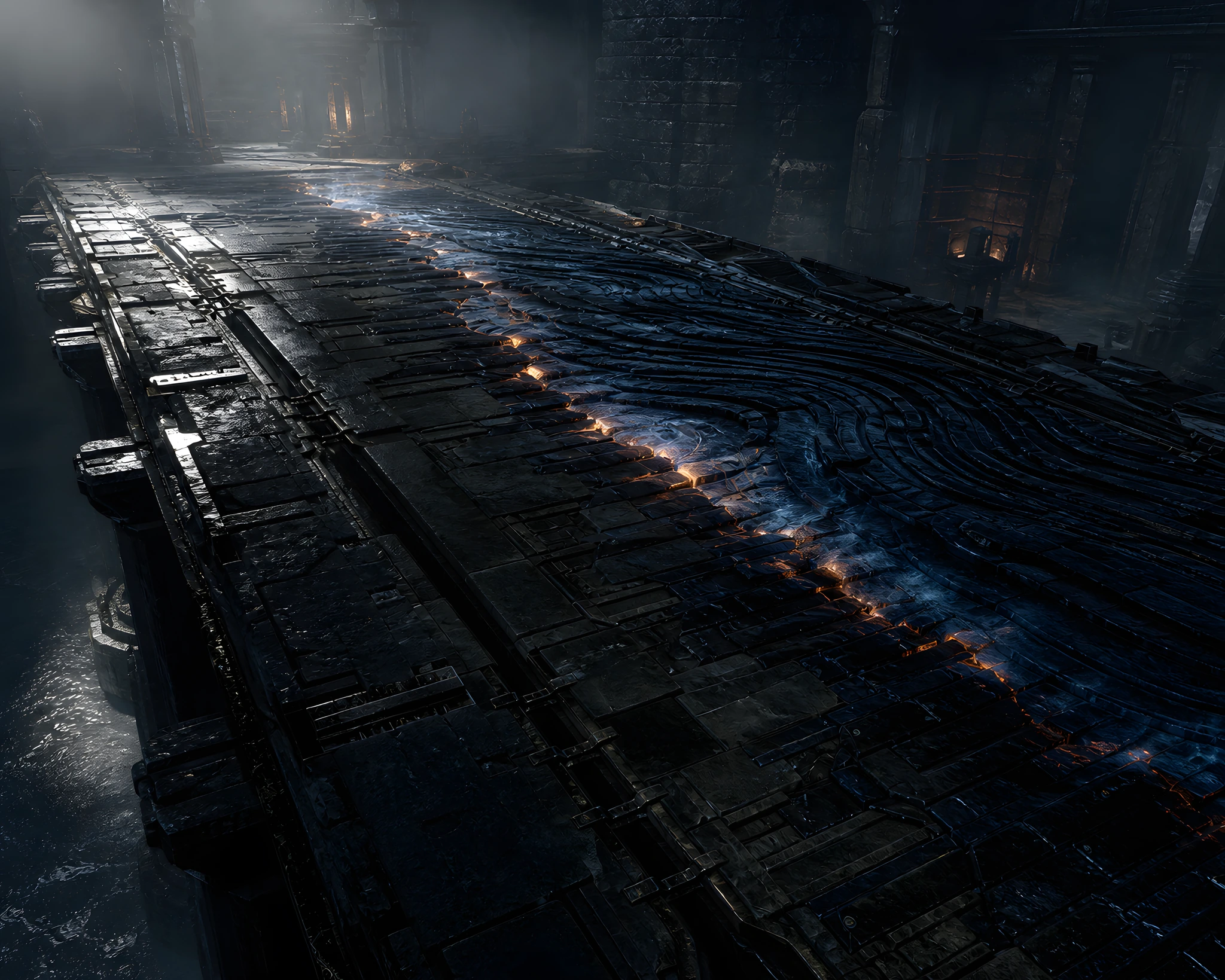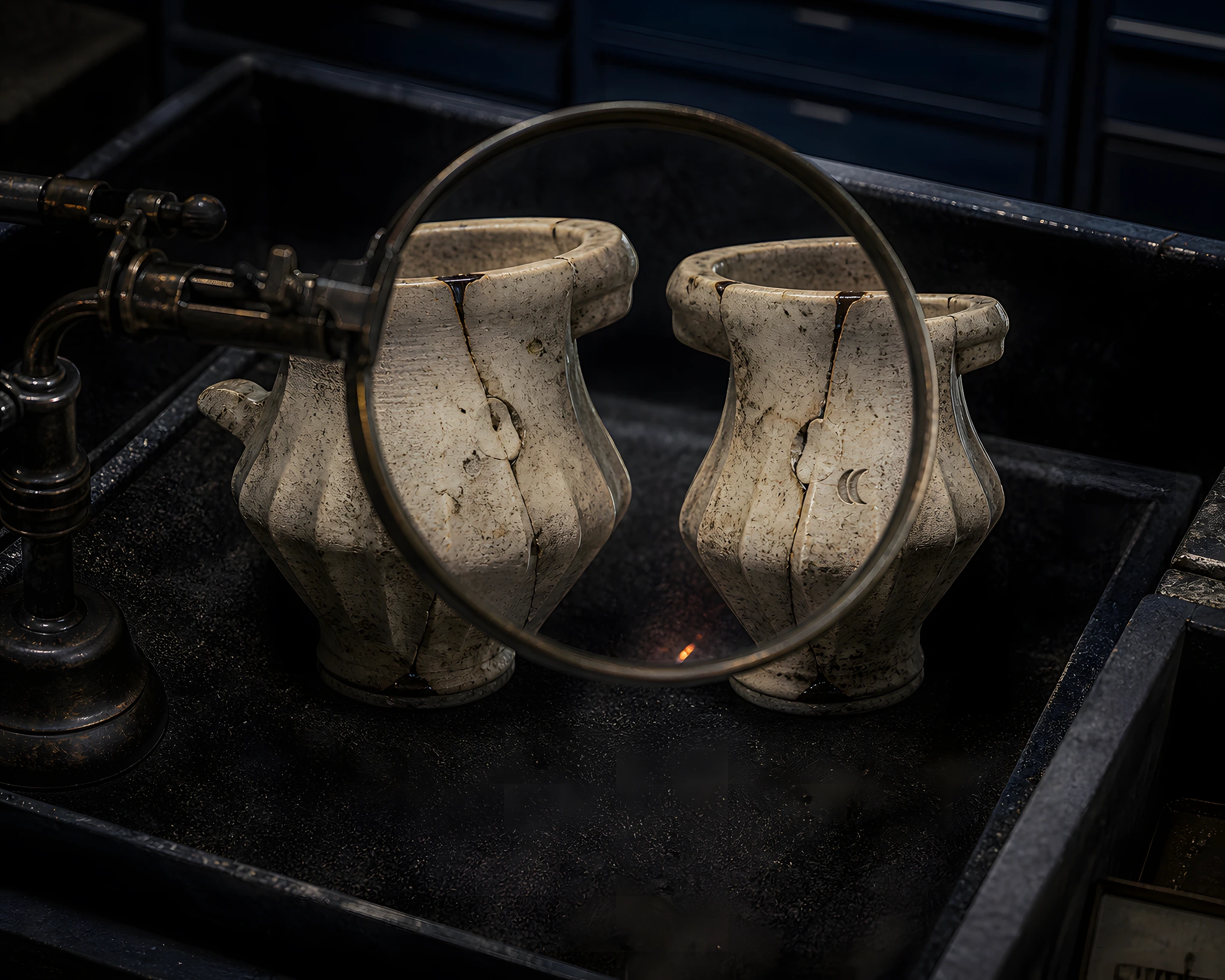

KILNFALL

The star is dying.
Whoever holds the pen writes the world that comes after.

Real-time strategy
four domains
eight powers
in development

A story-driven real-time strategy war across ground, air, ocean, and orbit—in active development.

What KILNFALL is right now

KILNFALL is a story-driven real-time strategy game across ground, air, ocean, and orbit — in active development, built by one studio in the open. We are not naming a release date until there is one worth keeping.

How It Plays

Built in the open, not oversold.

The hero layer

Every campaign lead carries inventory, equipment, and a leveling arc. In active development, tuned mission by mission — not yet in a public build.

Four-domain war

Ground, air, ocean, and orbit are one connected battlespace, not four separate modes. The systems that move a fight between them are being built now.

The Drafting

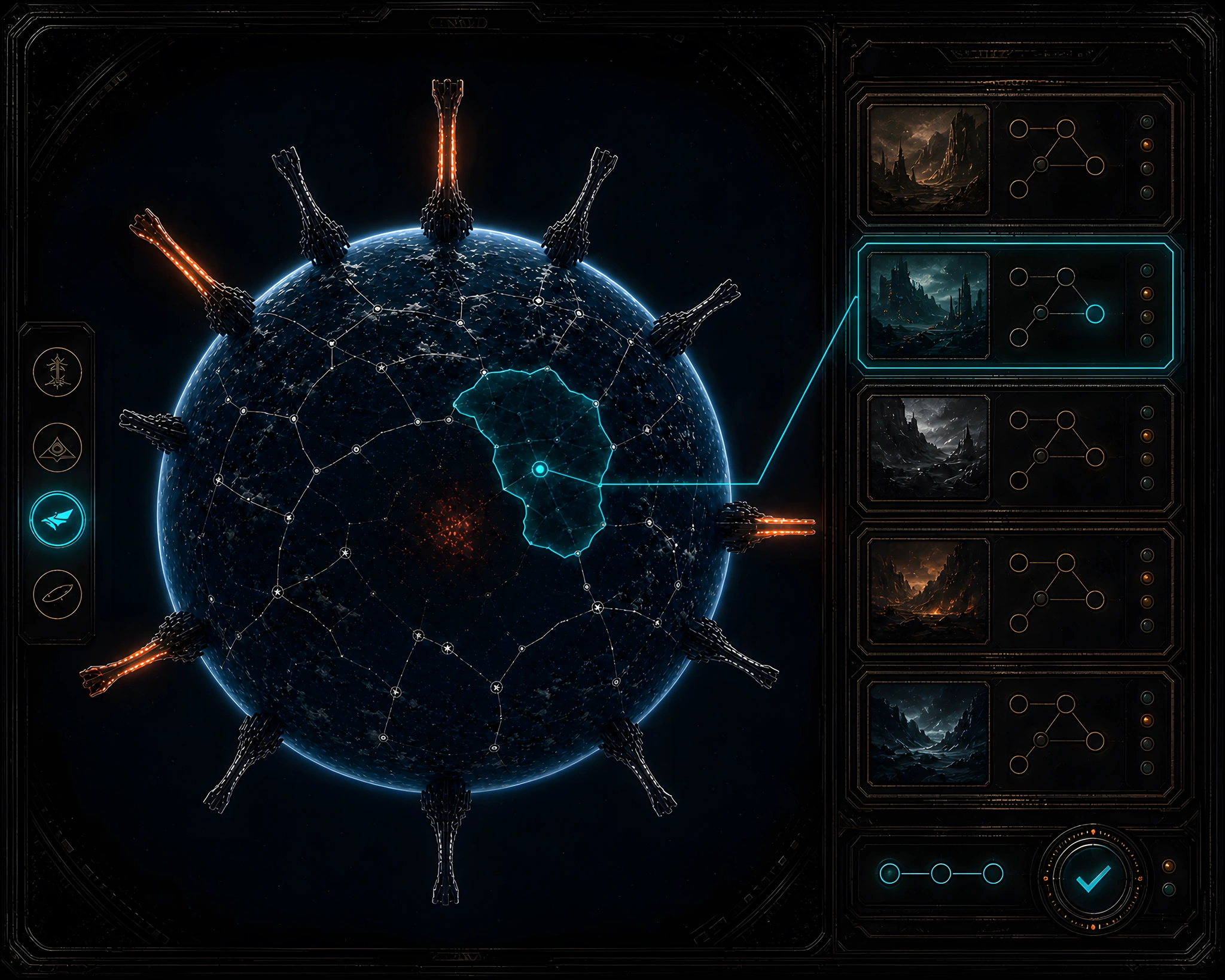
The metagame that turns a won battle into ground you hold, across all twelve Quills. See it below, in The Grain.

The Lore

There is no planet here.

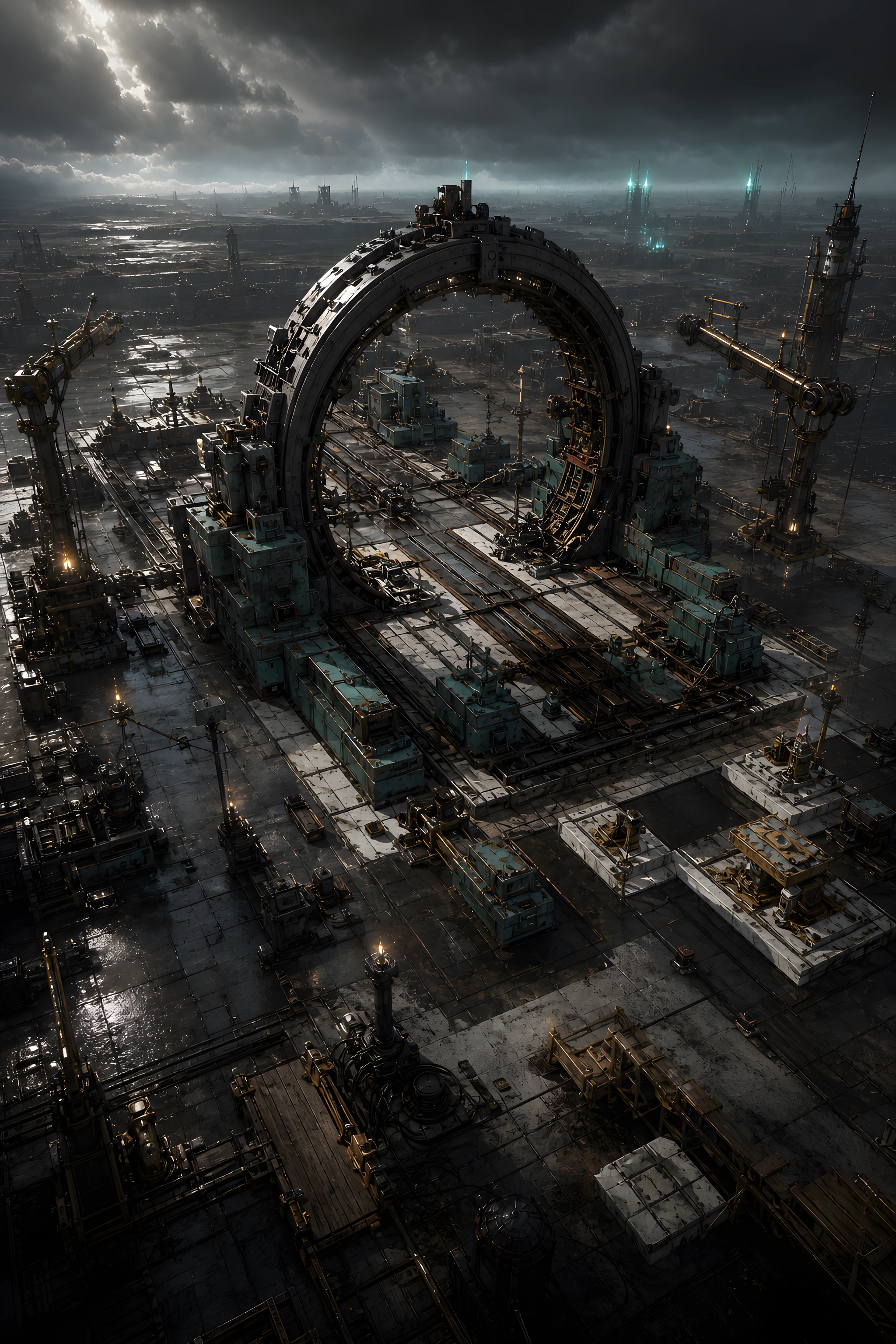
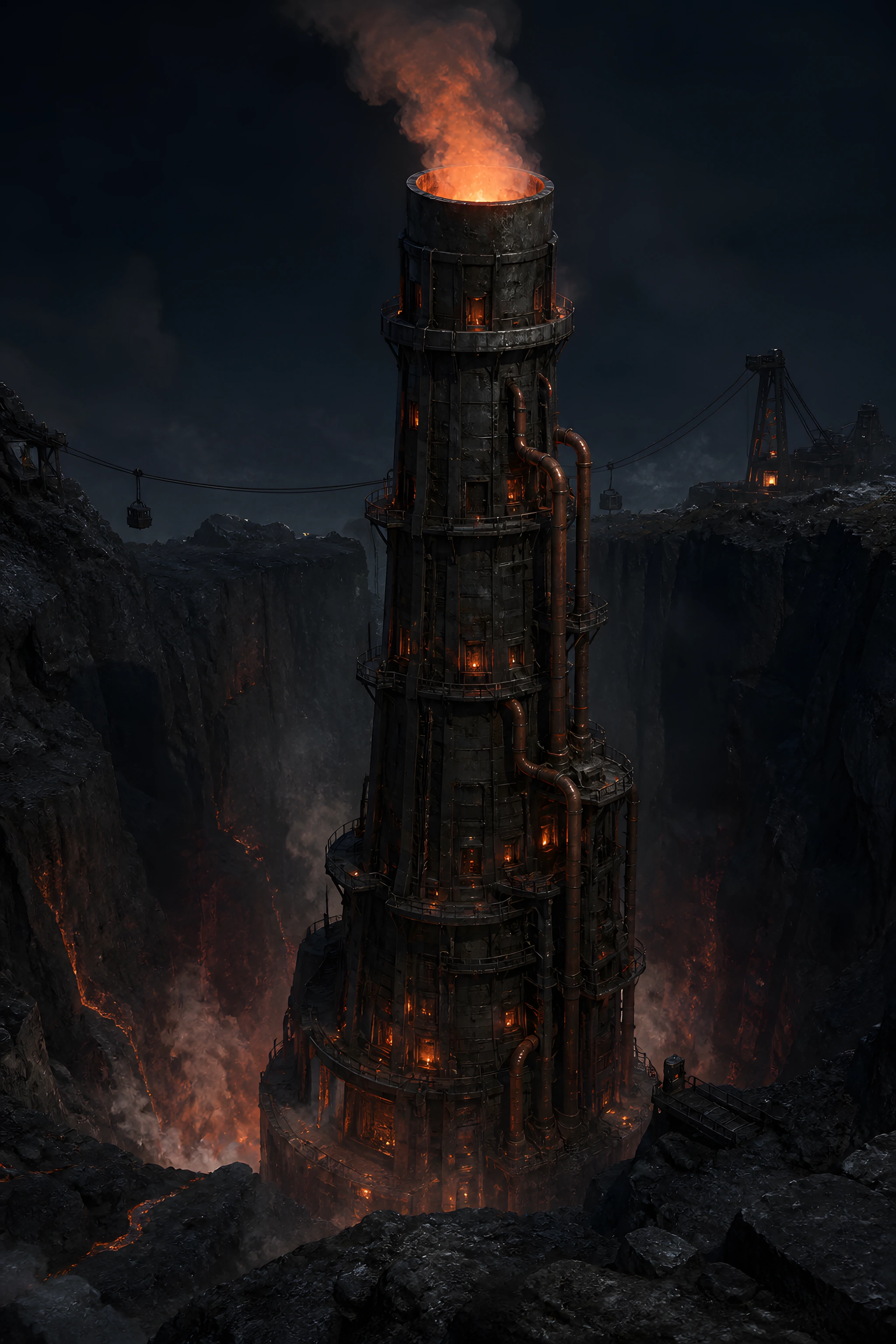
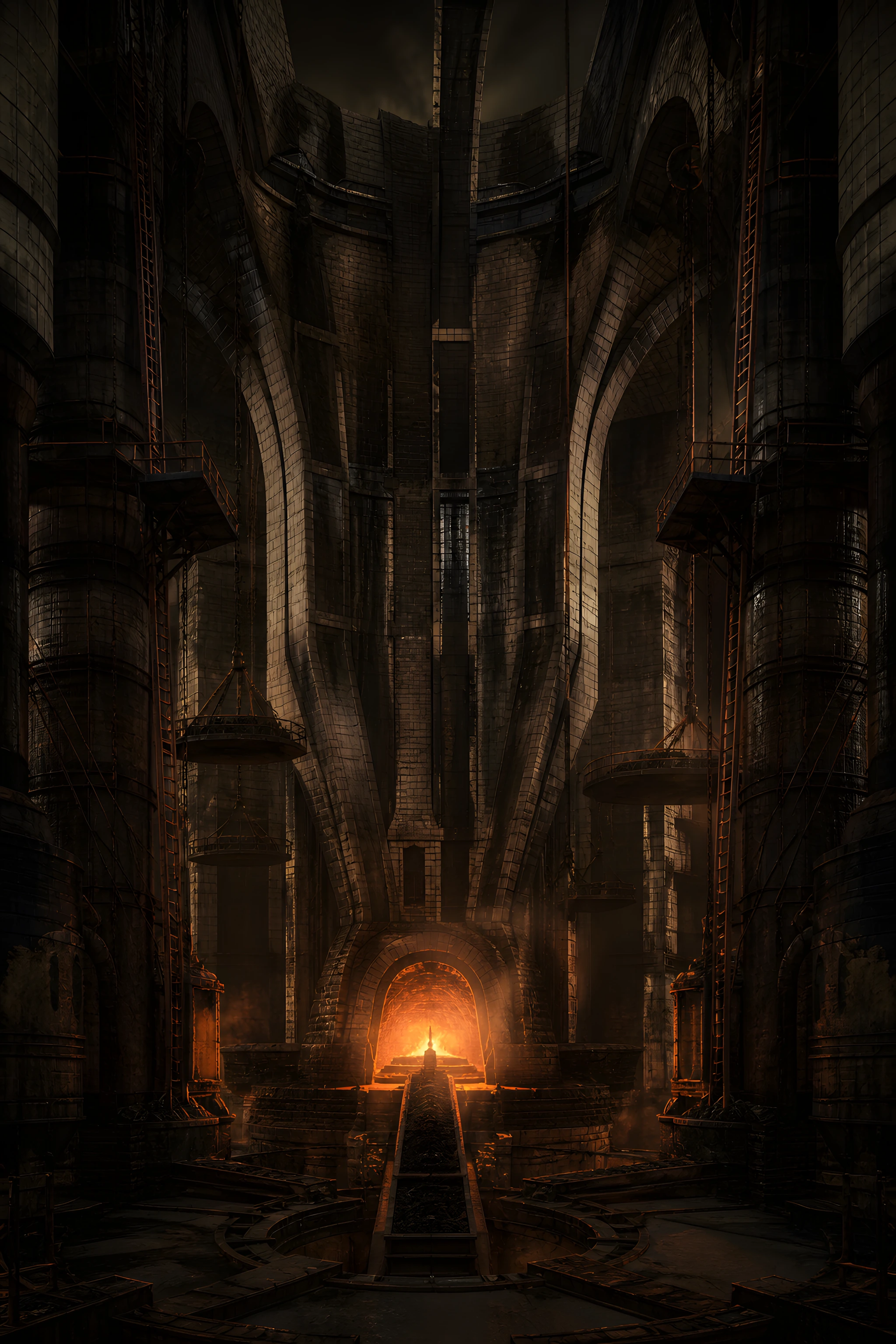
In the middle of everything hangs the Kiln. It used to be a star. Now it's a crushed, dying ember — big as a small moon, glowing dark red. It gives off no warmth at all. Just pressure, and that one dull red light.

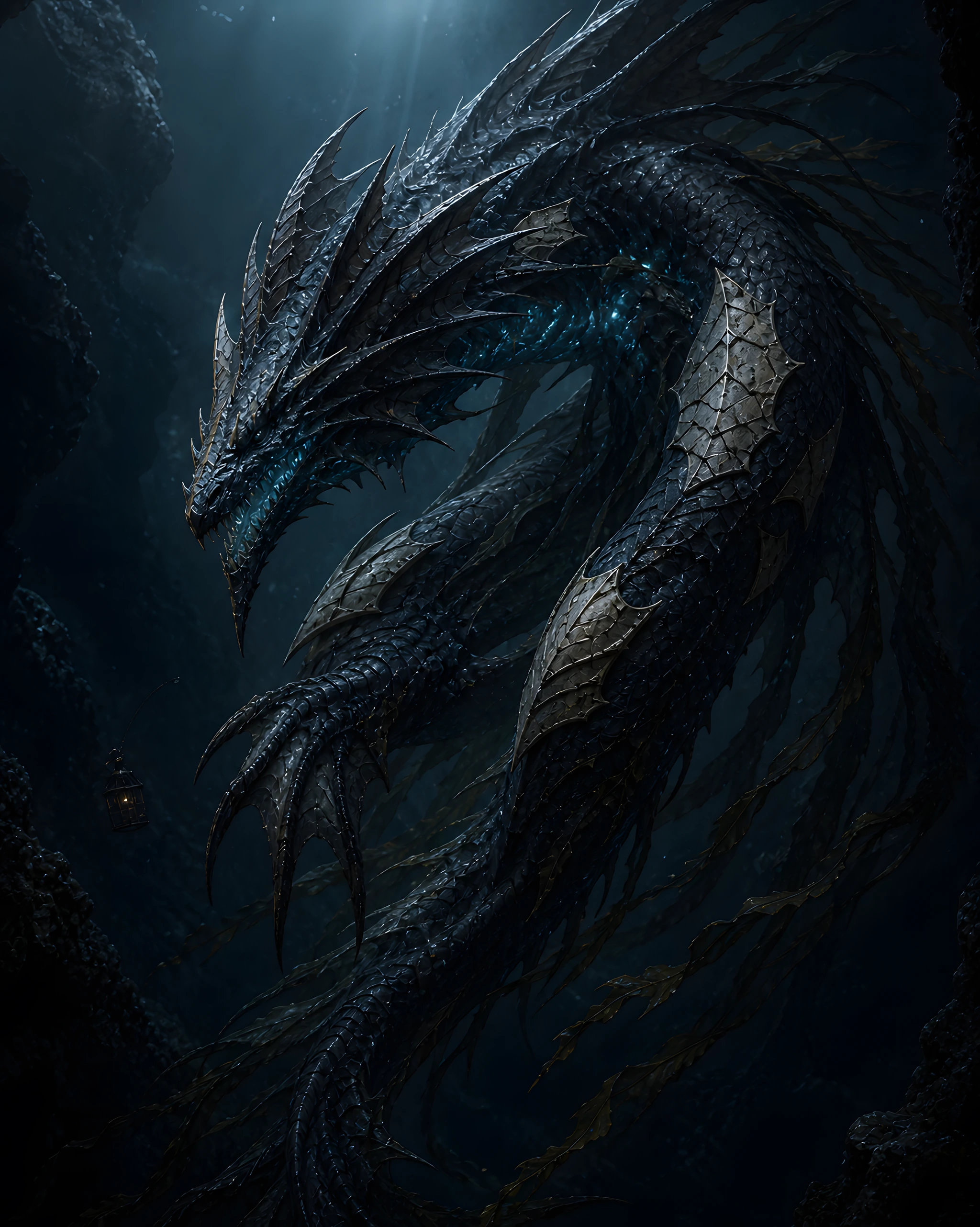
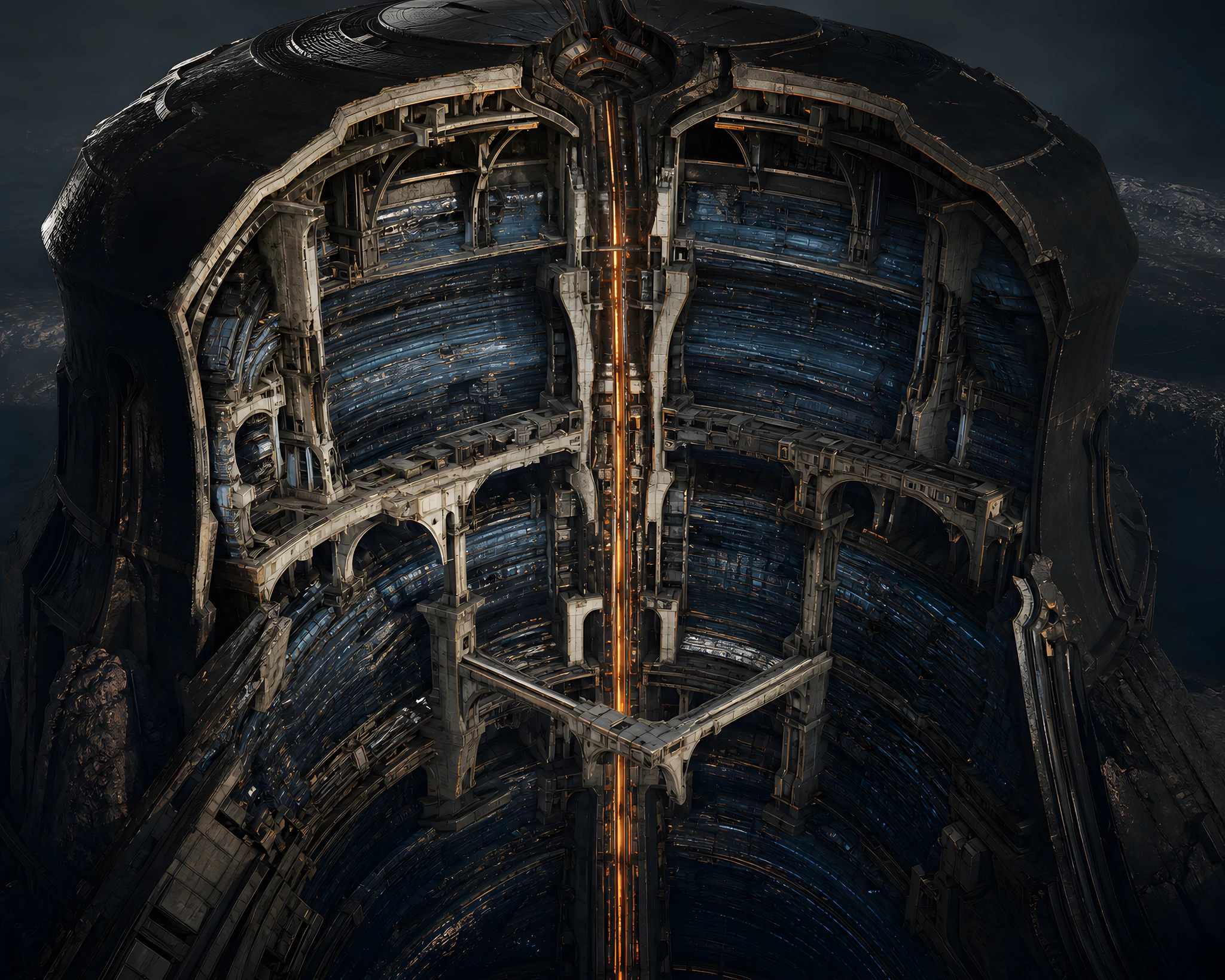
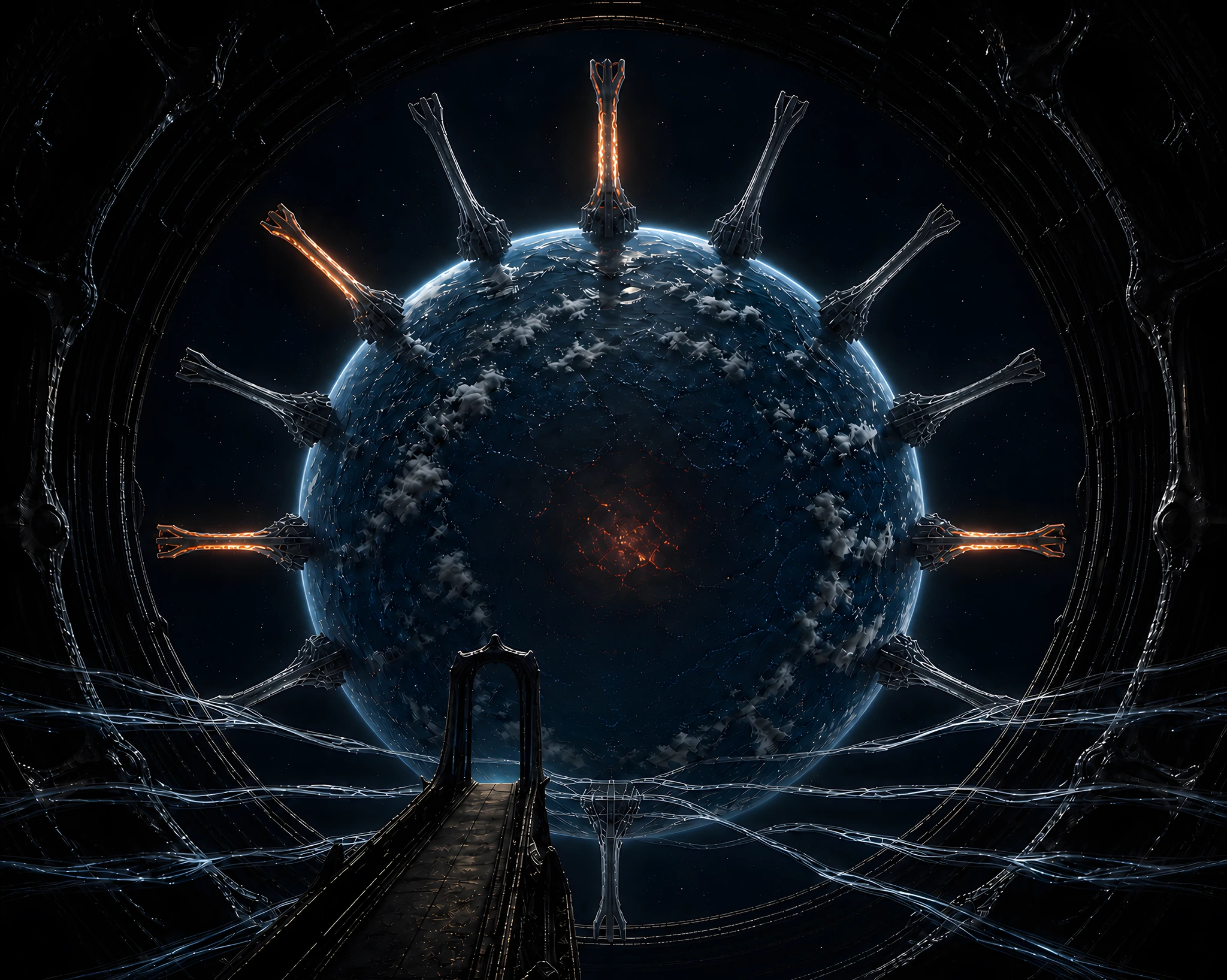
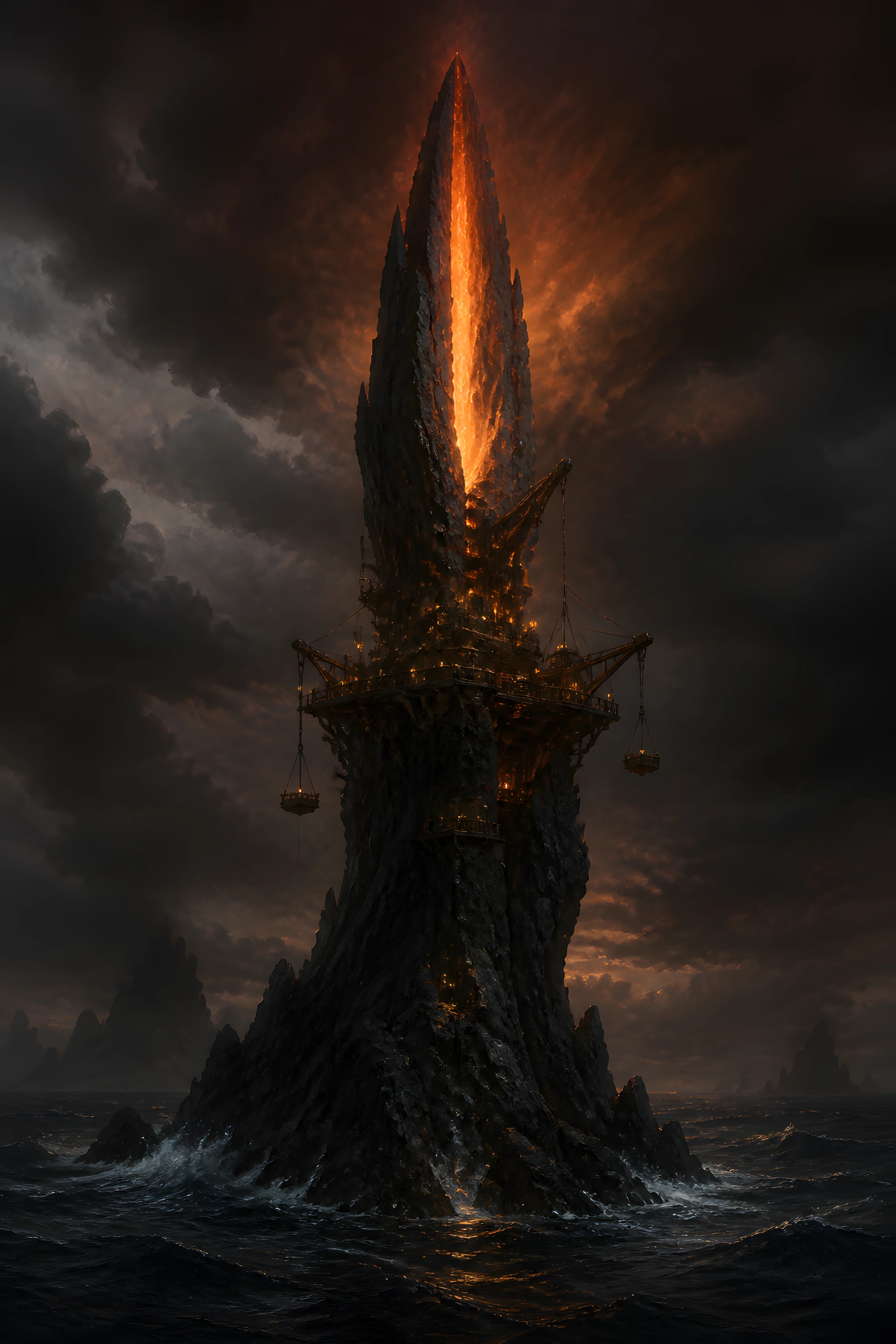
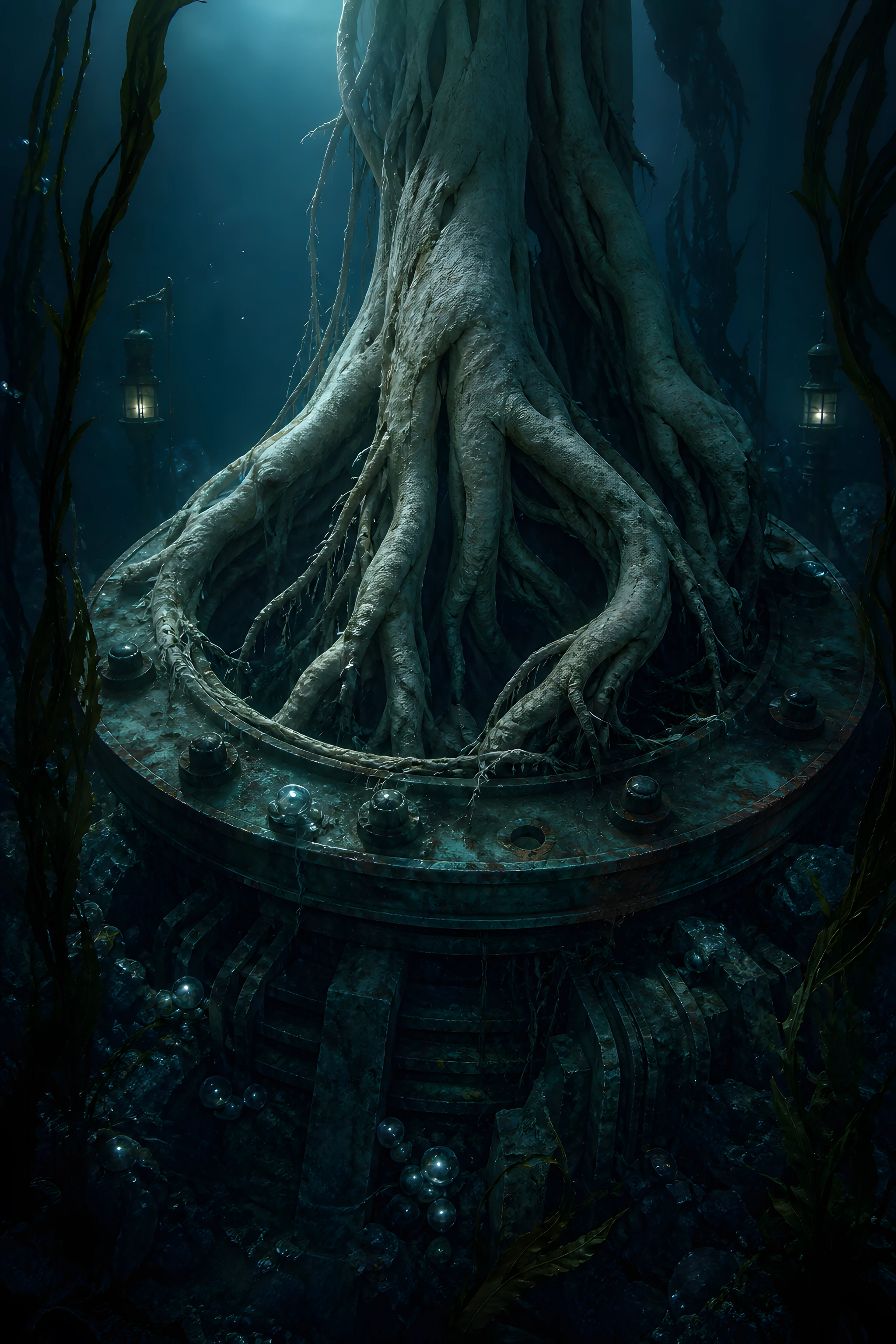
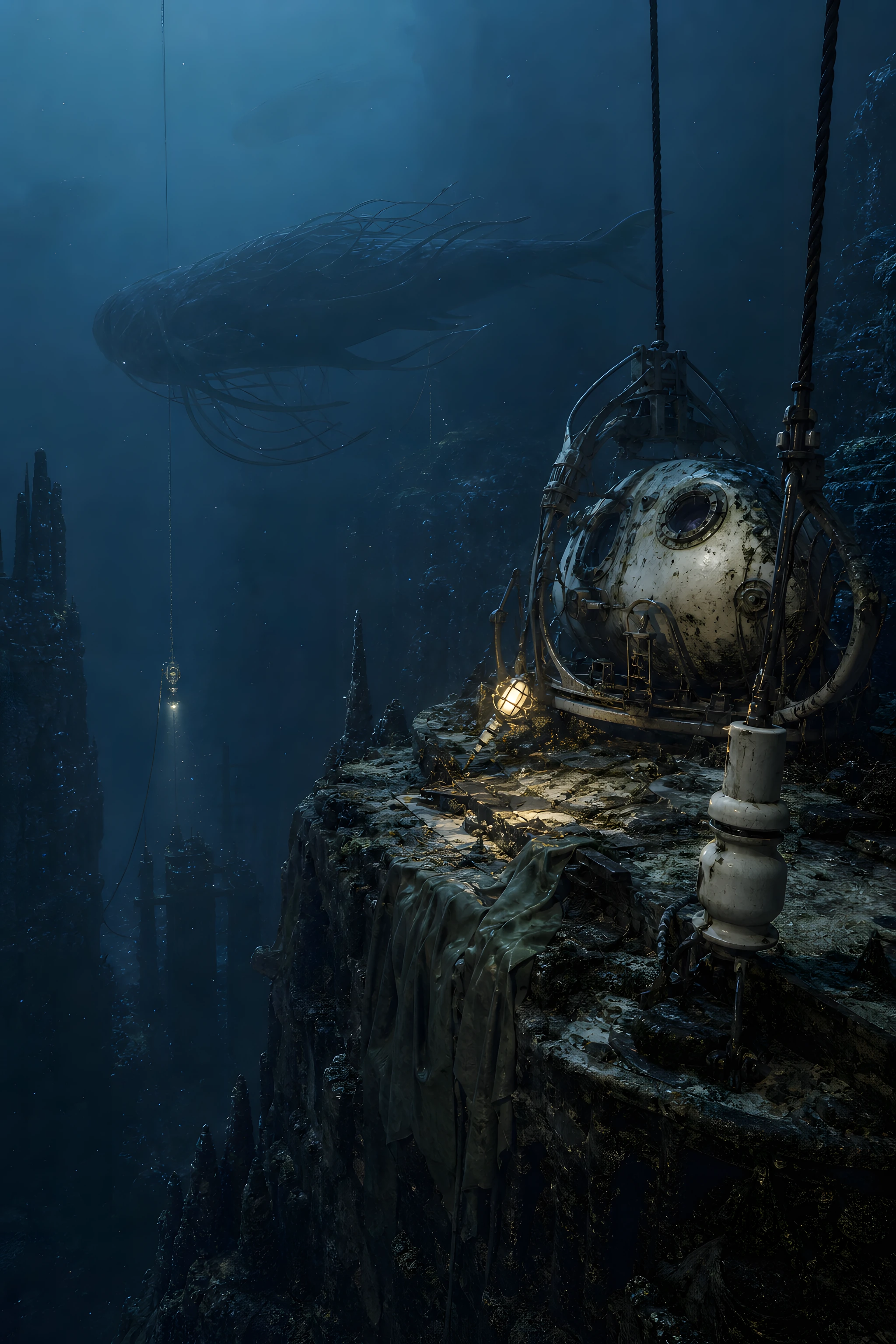
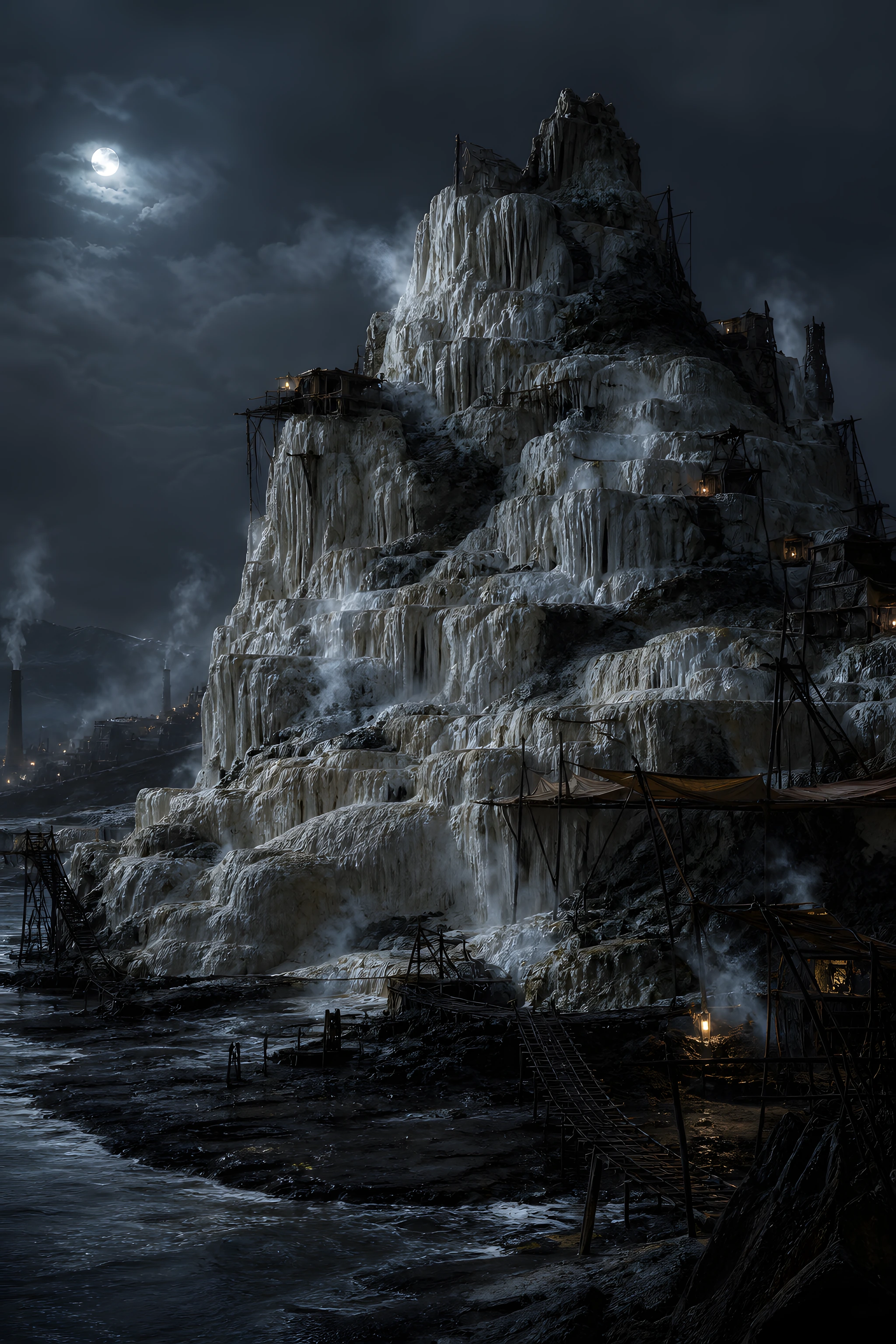
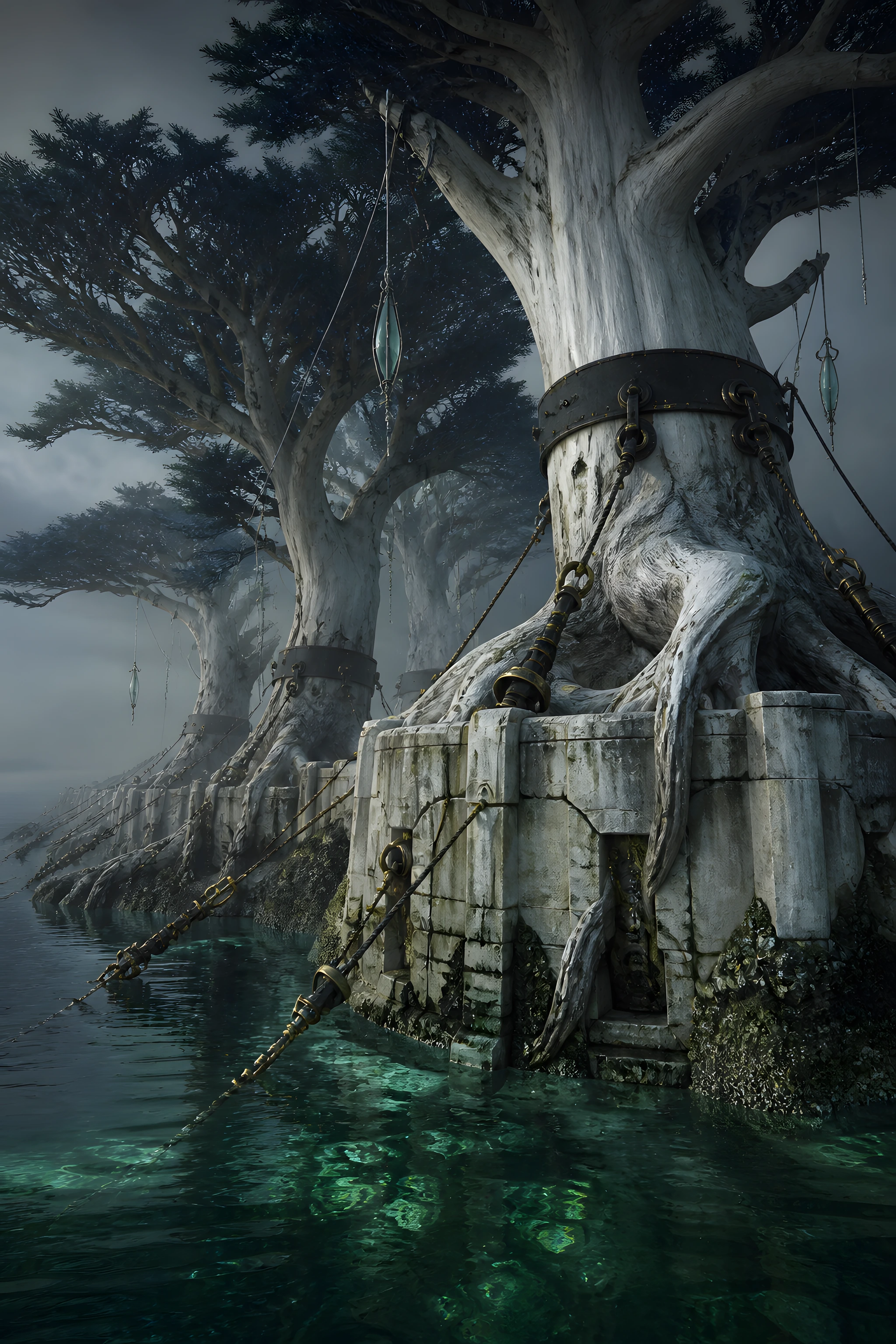
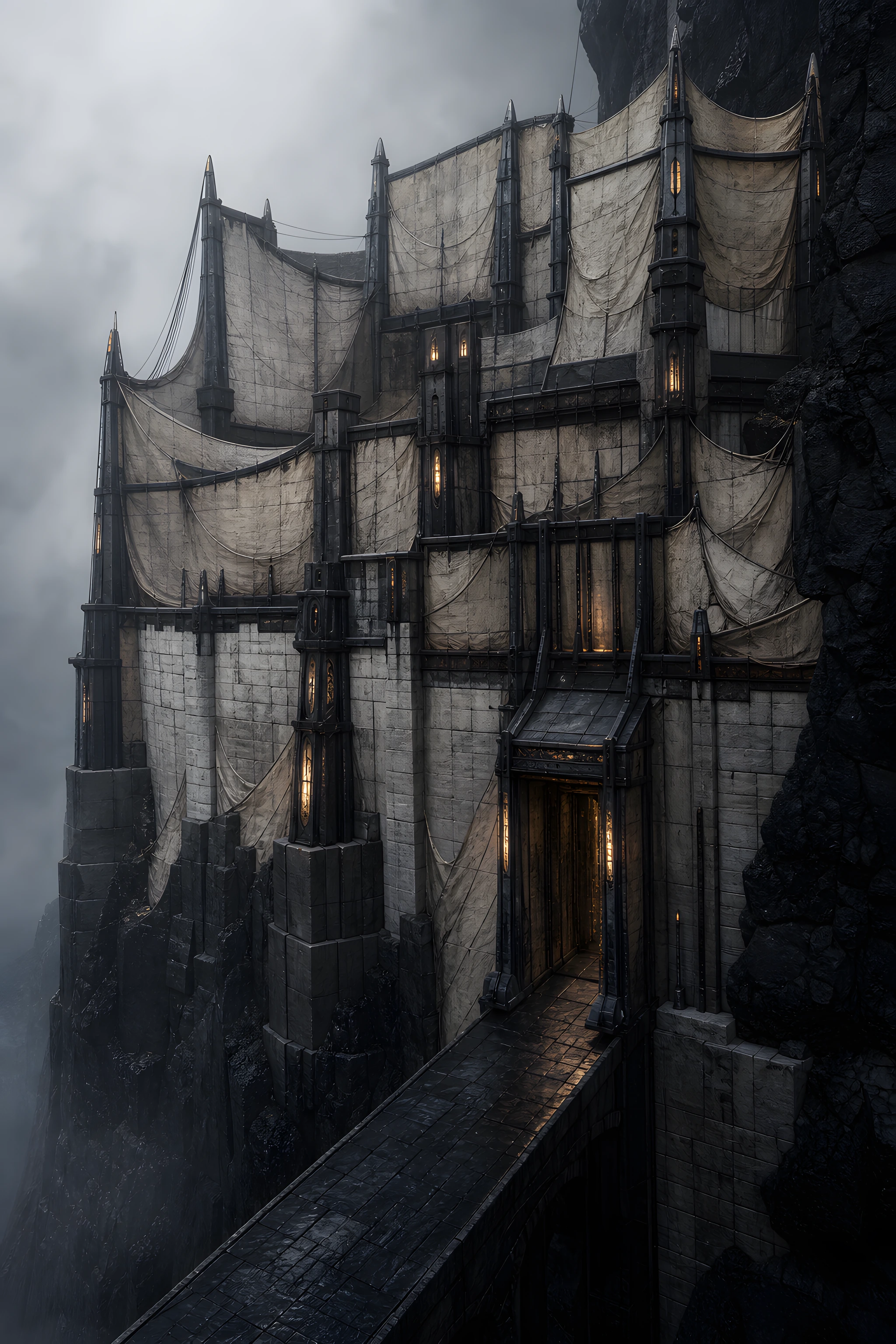
Wrapped around the Kiln is the Mere — one giant ocean, three hundred kilometers deep. Weak gravity barely holds it together, and its outer edge is real open water that touches outer space. Floating on and inside that ocean are the Shards: ten thousand broken pieces of an older world, each one dragging its own forests and cities along with the tide. And running straight through everything, seabed to sky to space, stand the Twelve Quills — ancient towers whose roots sit on the ocean floor, whose middles break the surface as islands of bone and metal, and whose tops pierce the sky and end out in orbit.

Twelve Quills were built. Only four still work. And the ocean is slowly boiling away into space — the shoreline drops a little more every year, until coastal cities are stranded forty kilometers from the water. Once the sea drops below the Quills' roots, the Kiln loses the ocean that cools it. And everything ends. One more generation. That's all the time anyone has left.

That ending won't be quiet. As the Kiln collapses, it fires one last time — the Last Firing — and rewrites the entire world, using whatever pattern is stored in the lit Quills at that moment. Only one person's pattern gets used. The next world will have exactly one author.

The Crown Shallows
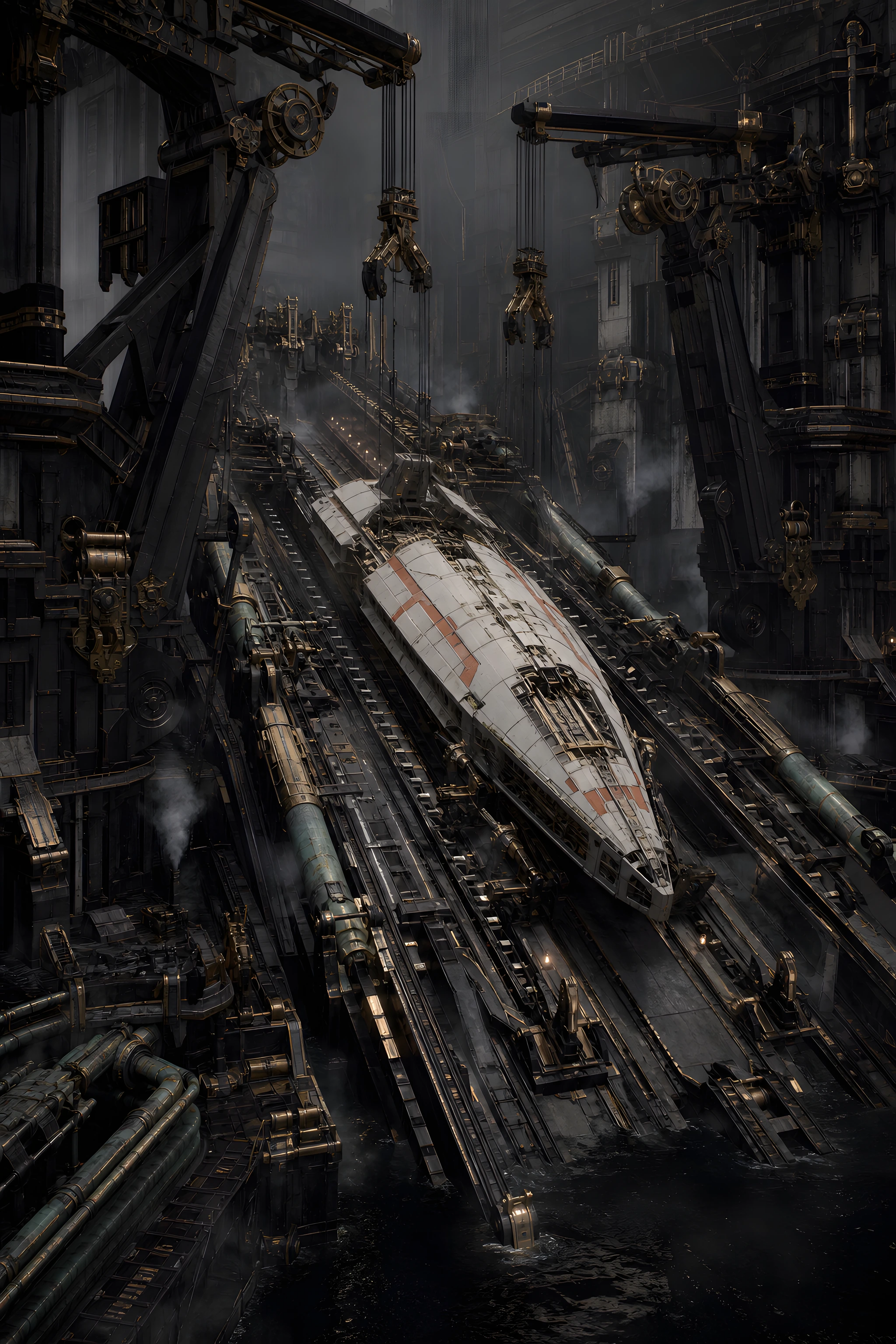
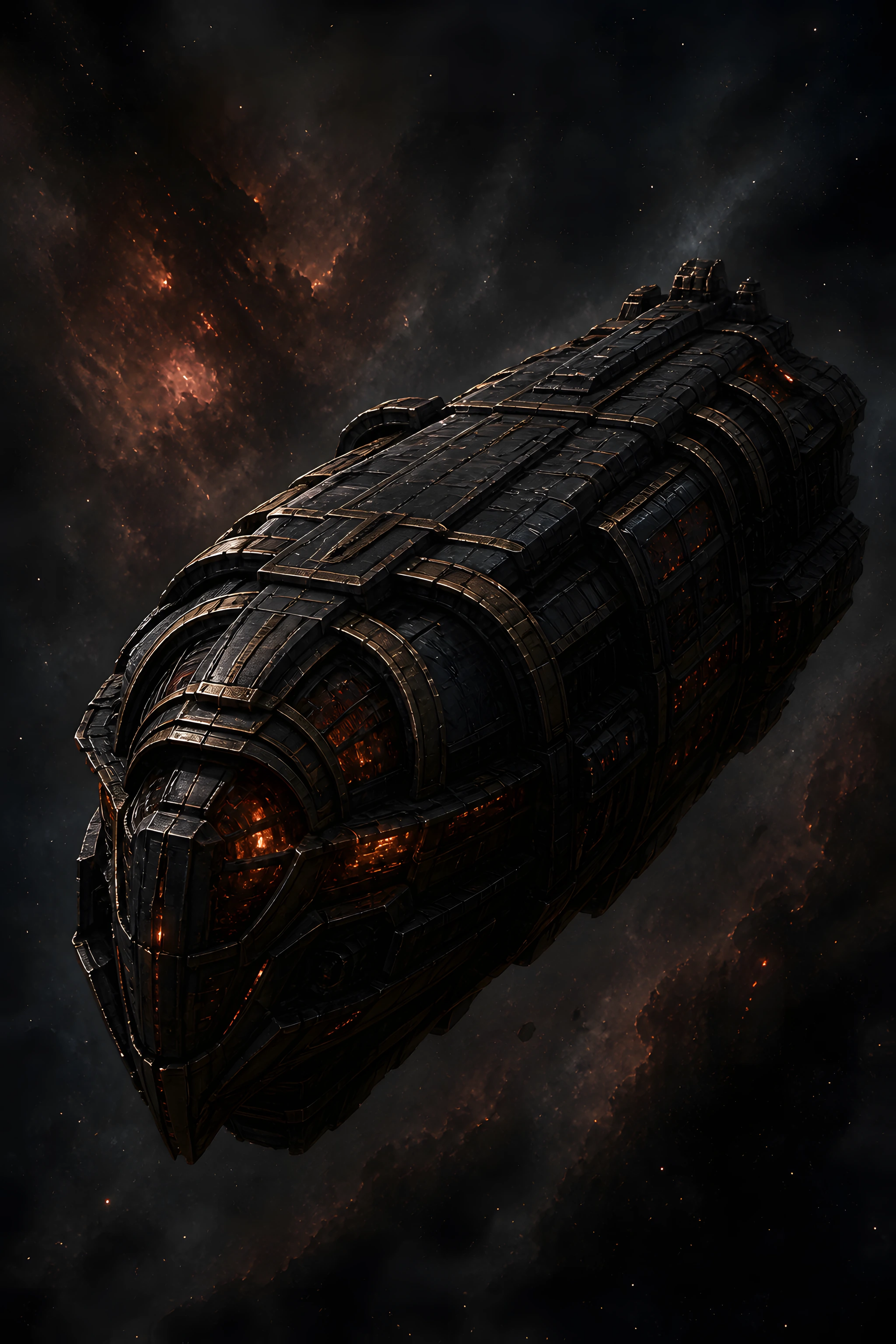
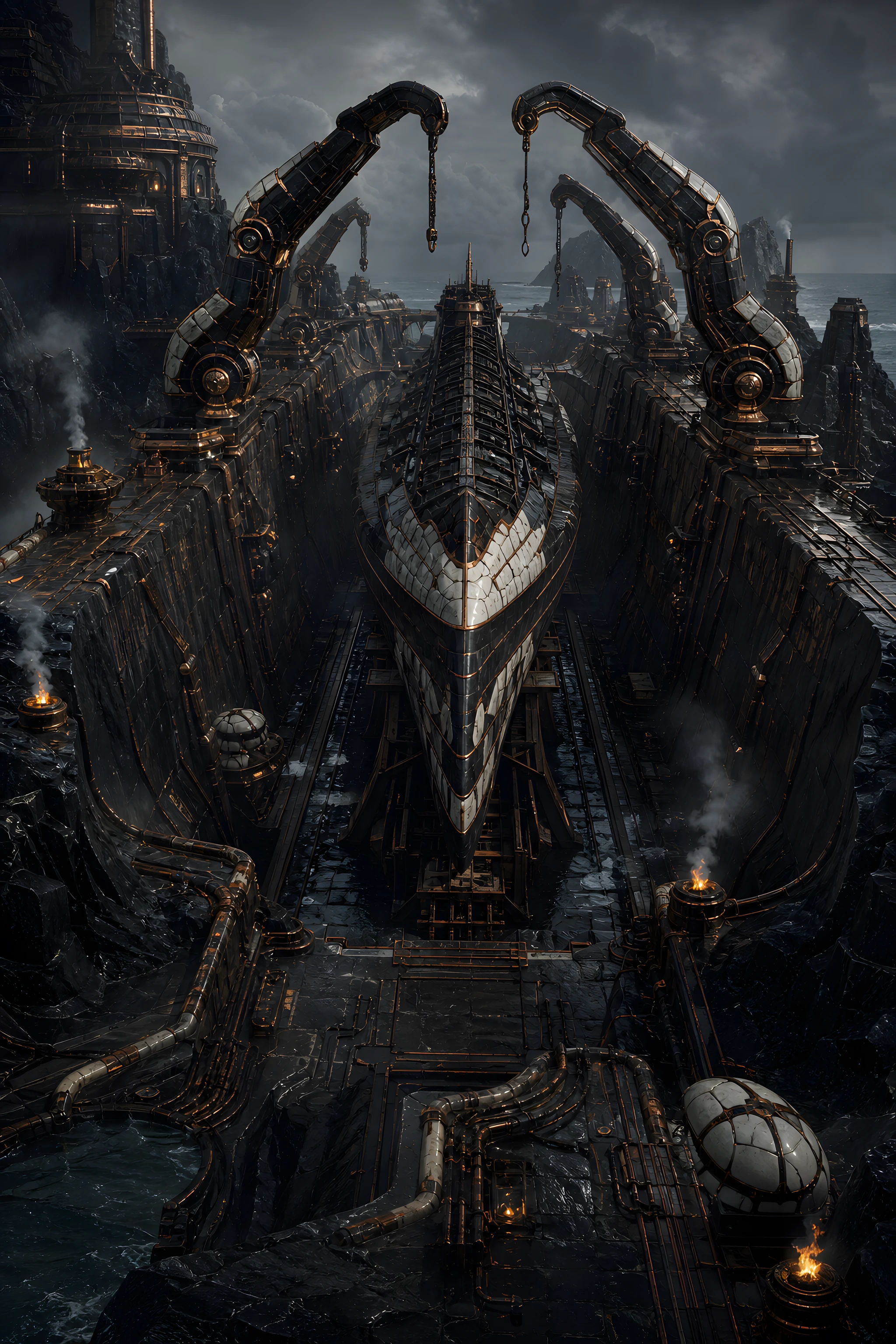
A junkyard in near orbit — broken rock and old wreckage, then open darkness where the fleets arrive.
The Skin
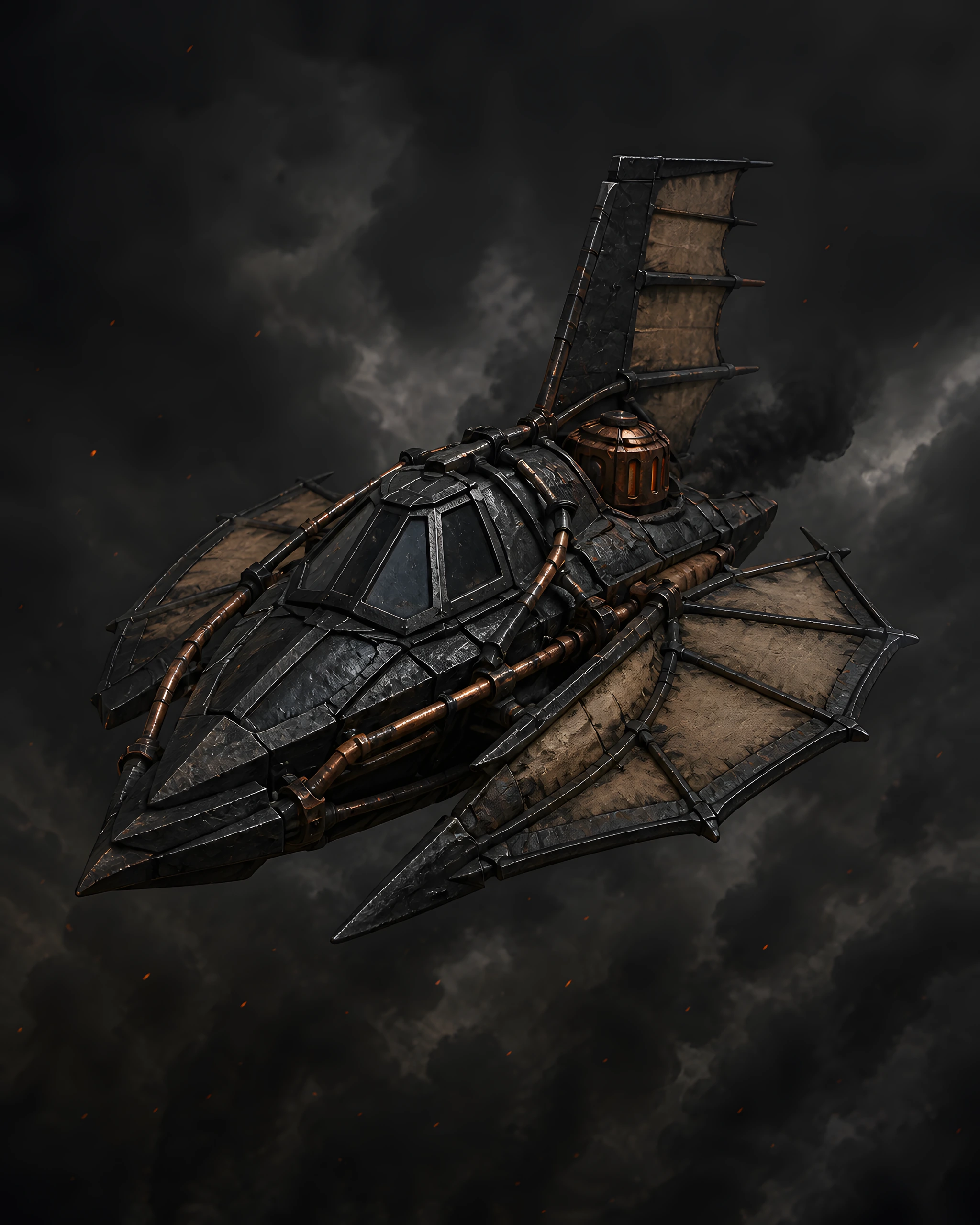
The breathable sky. Fly too high and you hit the Thinning, where the air runs out so fast your ship stalls and falls.
The Mere
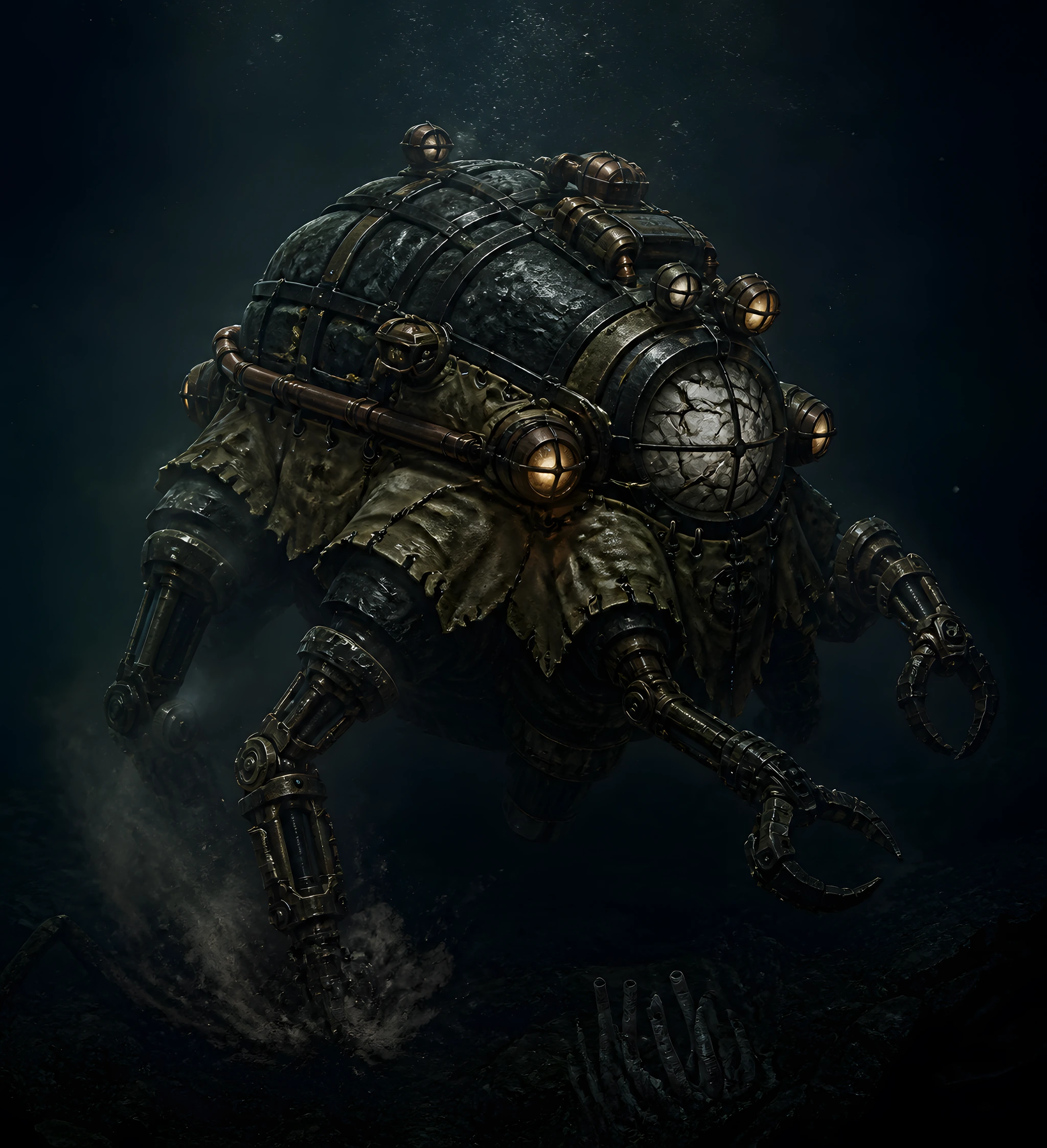
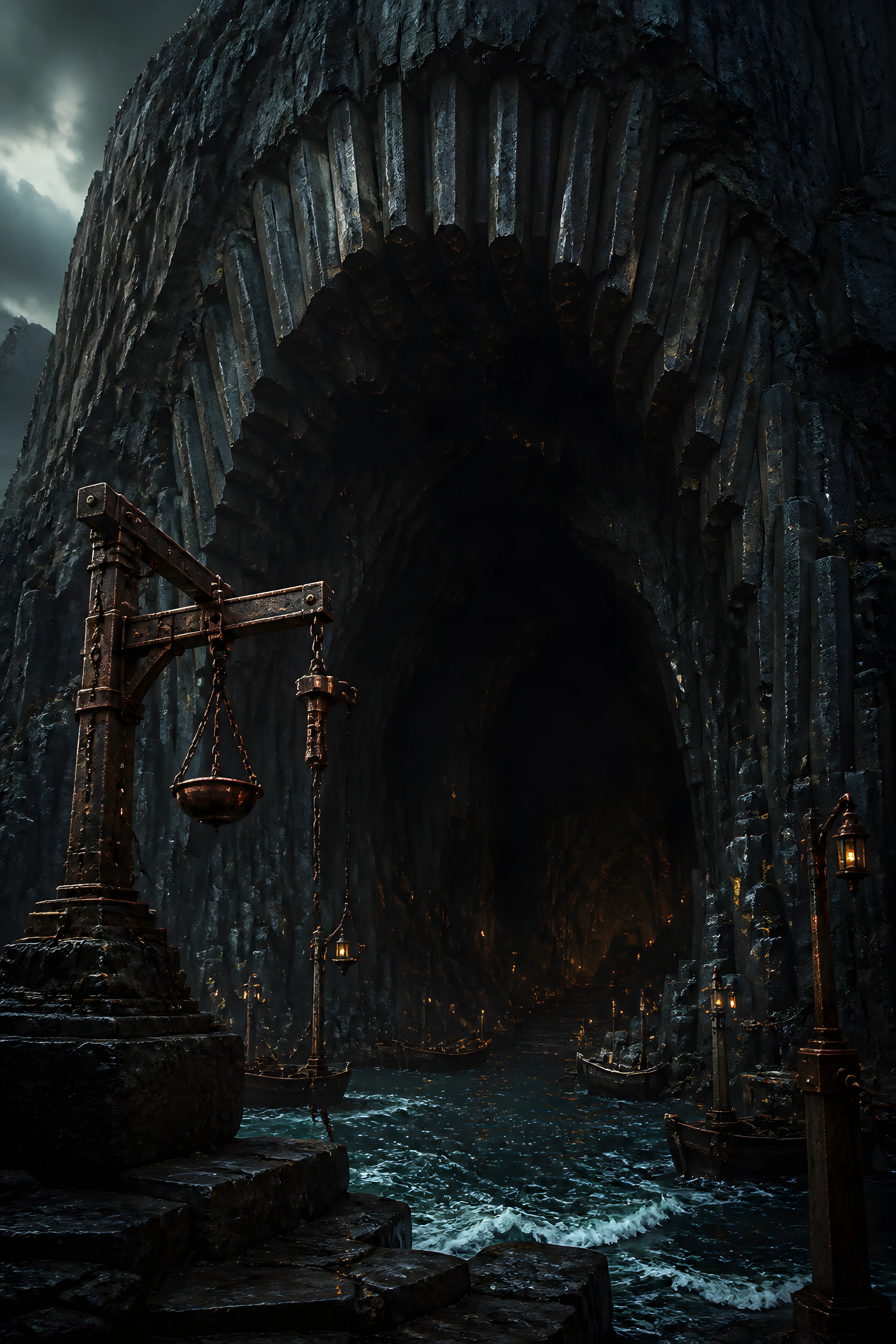
Three hundred kilometers of ocean. At its outer edge, the sea opens straight into space — and out there, rain falls upward.
The Kiln
The dead star at the very bottom of everything. It doesn't warm this world. It holds it together.
The World

Four domains, one dying star.

From the dying ember at the bottom of the ocean to the junkyard in orbit — these are the four places this war gets fought, and the countdown clock the whole war is racing against.

Eight Powers. Eight ways to write what comes next.

Eight ways to take the pen.

Before the first playable mission, choose one of two named protagonists for your Power — a woman or a man. This is not a cosmetic swap: each lead changes the evidence you inherit, the relationships you form, and the story that follows. The unchosen lead remains in the campaign.

I · Humans

Ardent Concord

We do not out-gun. We out-hold.

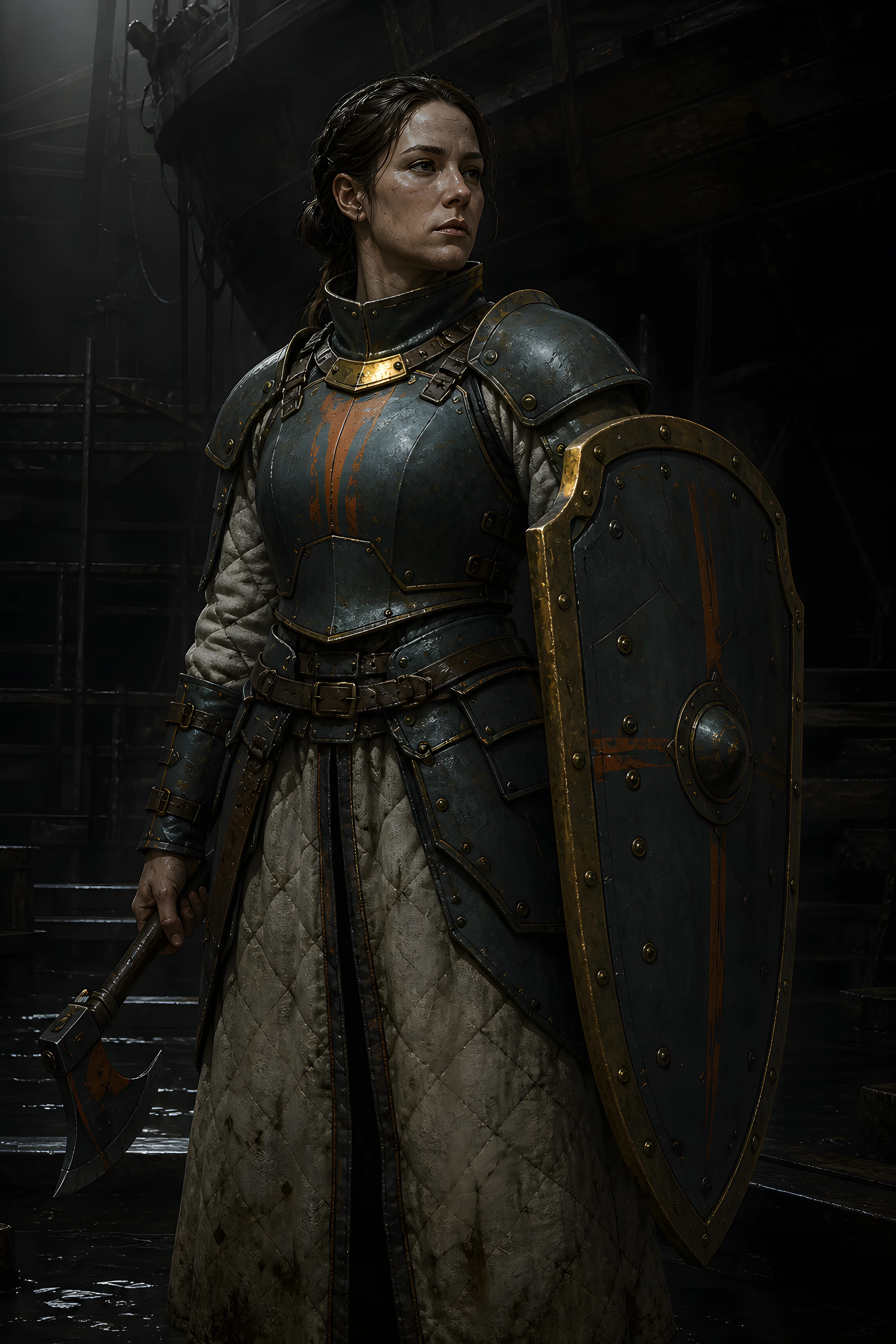
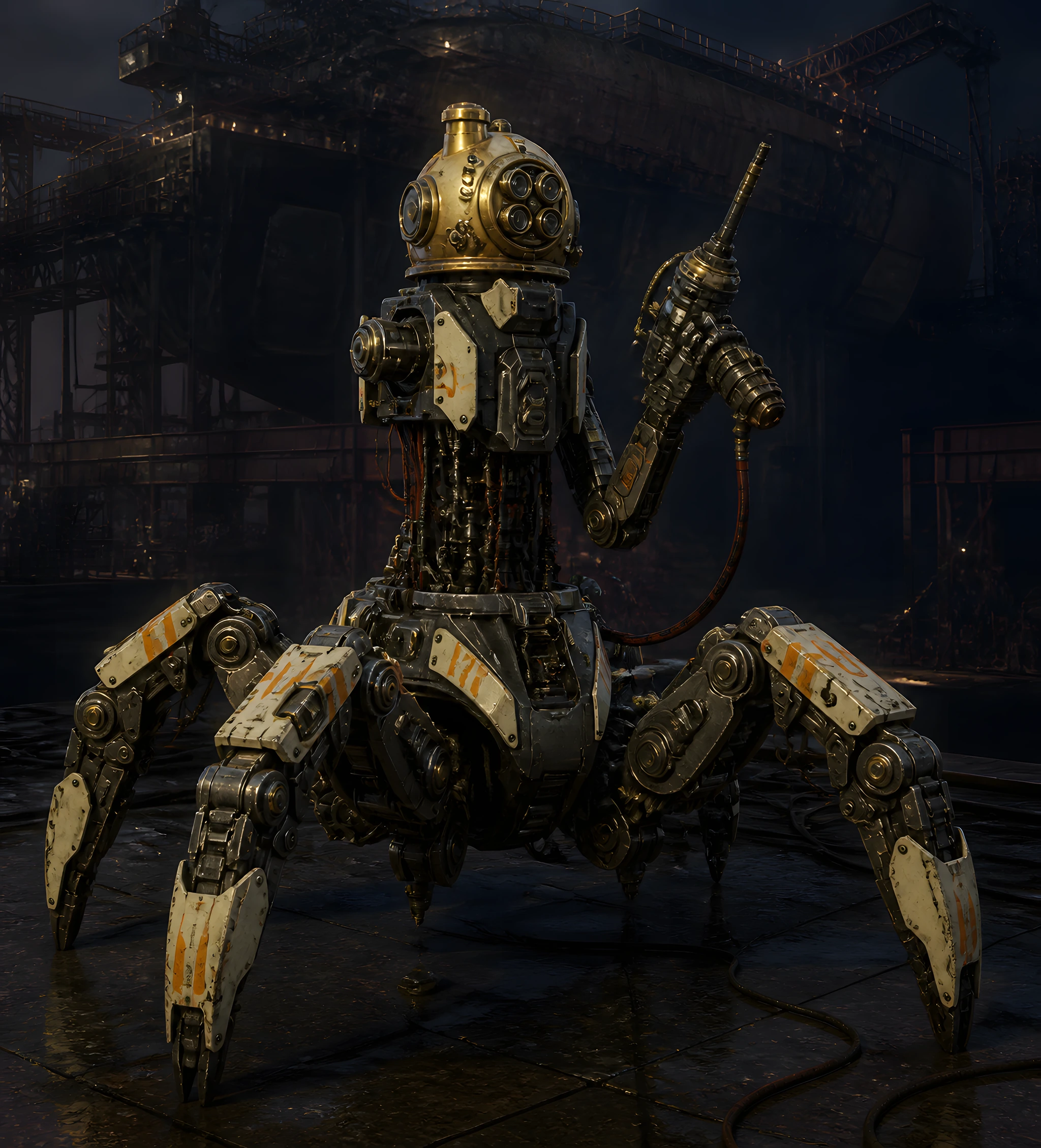
The Ardent Concord came late, tied their ships to a dead star's old machinery, and never left. They're the only power that fights well in every domain, and the only one still on speaking terms with everybody else. Their whole war plan is a bet: a fleet you can repair and re-sign always beats a fleet you can only replace — as long as the enemy never finds the one seam to cut.

How they win

Pair every important asset with a countersigner. Your army repairs and re-signs through losses—but if the enemy finds the other half, that asset becomes Unheld.

Read their mechanic + four-domain doctrine
Signature mechanic

The signature mechanic is called The Halving, and its "tell" for catching a fake is called the Countersign. Every human's Seal — proof of who you are and who backs you — is issued in two halves, and no single person holds both. Your Seal really just answers one question: who holds your other half. It's a mutual promise, witnessed by someone else, and it can be revoked. Because a Seal is a document, a new name can be added to it — so allies of any race can be countersigned in and fight inside Concord supply lines, something no other race can do. In the game, this becomes The Fastening: every unit and building is paired with a counterpart. Kill the counterpart, and the paired asset goes Unheld — it can still fight, but it can't be resupplied, reinforced, healed, or upgraded, and a countdown starts toward losing it for good. That's why smart enemies don't target your factory — they hunt down whoever countersigned it. This same rite also gives the Concord their way of catching a Virii impostor: challenge with "Who holds your other half?", then strike your brass tally-bar. A real, living Seal makes the bar ring one clean note. A stolen Cast — a copied identity — leaves it dead and silent in your hand.

The Concord isn't the best at any one thing — they're solidly good at everything, and that's exactly what makes them dangerous.

GroundOn the ground, the Concord fights with combined-arms squads using standardized parts, so any crew can finish another crew's repair. They never field the biggest or fiercest unit — every vehicle has to fit through an old standard-size hatch — so they bring the right tool instead.

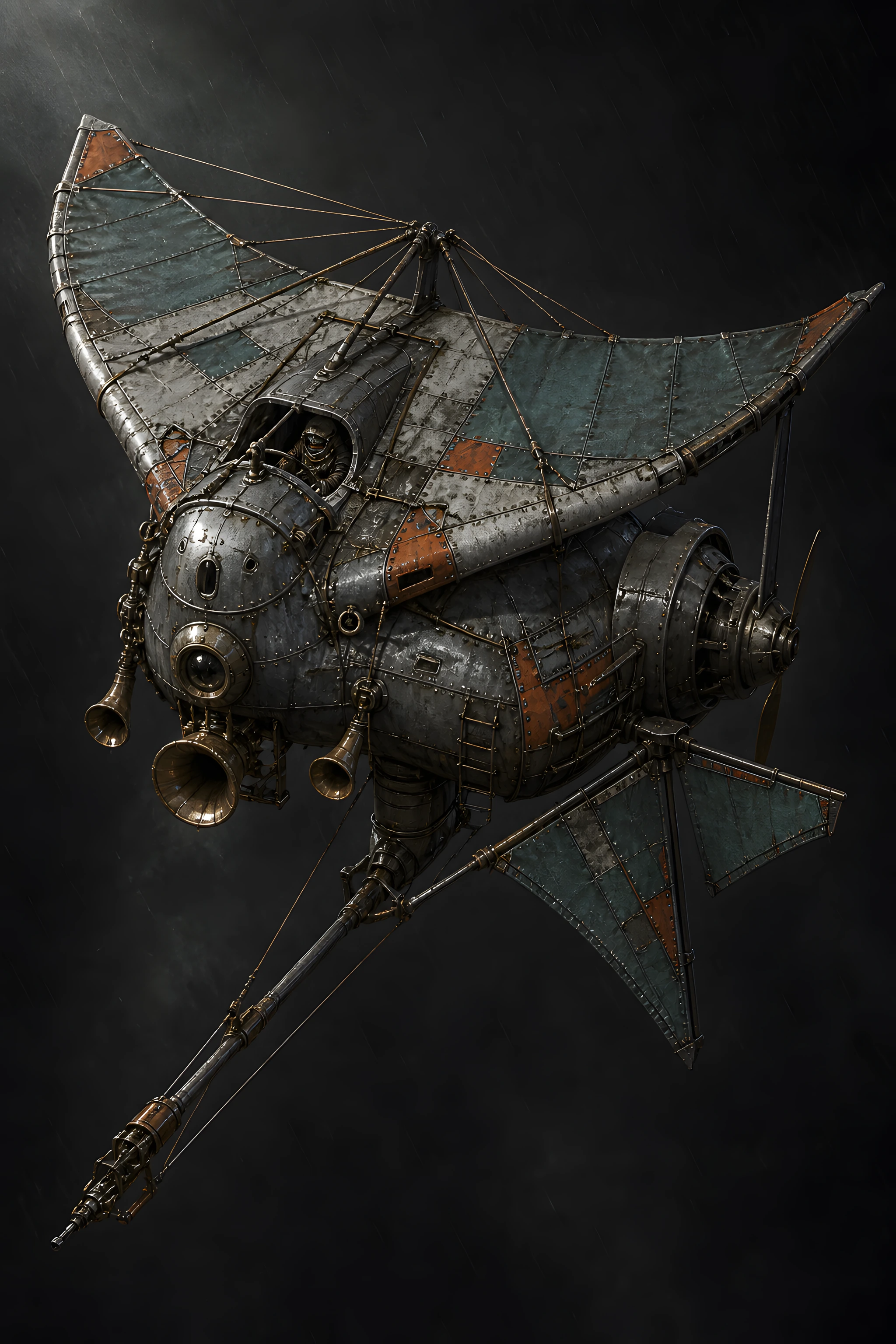
AirIn the air, the Concord flies heavy, over-built, unglamorous ships. They're the only air force that can survive the deadly stall at the Thinning and fly straight from sea level up into the Crown Shallows in one trip, even though Nimhara and Veirn can out-turn them every time.

SpaceIn space, Ardent formations contest Vaelun Blackwakes whose immense physical mass, local ration vaults, and radiator shutters make every approach a real journey and every retreat a spent reserve.

UnderwaterUnderwater is where the Concord is best of all. Their sounding gear picks up both sound and Grain-noise, and their newer Seals hum quieter than anyone else's, making Concord crews the quietest crewed ships in the Mere. Only the Virii are quieter still, because they have no Seal at all — you just hear them as a hole in the register.

Sounder's log, third watch: there's a hole in the register off the picket, and the hole always comes before they do. So I put the new rating on the rail and asked who holds her other half — she named it, I struck the bar, and it rang clean, one note. Live Seal — now for the love of the Board somebody re-stencil her plate before it gets her killed; she's signed and she's still wearing last season's kit.Ardent Concord field-voice
II · Machines

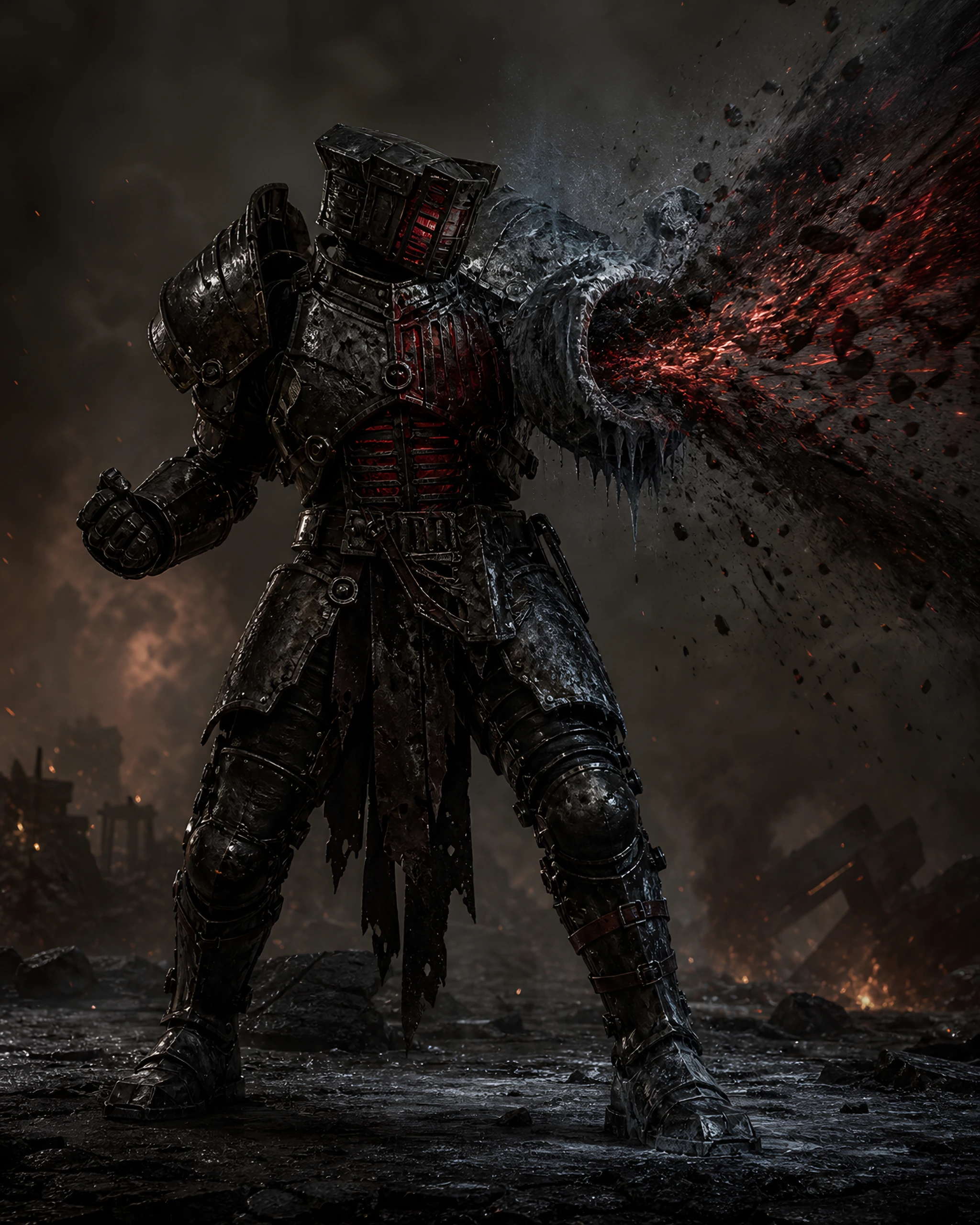
Wrought

Maintain until relieved. Relief never came.

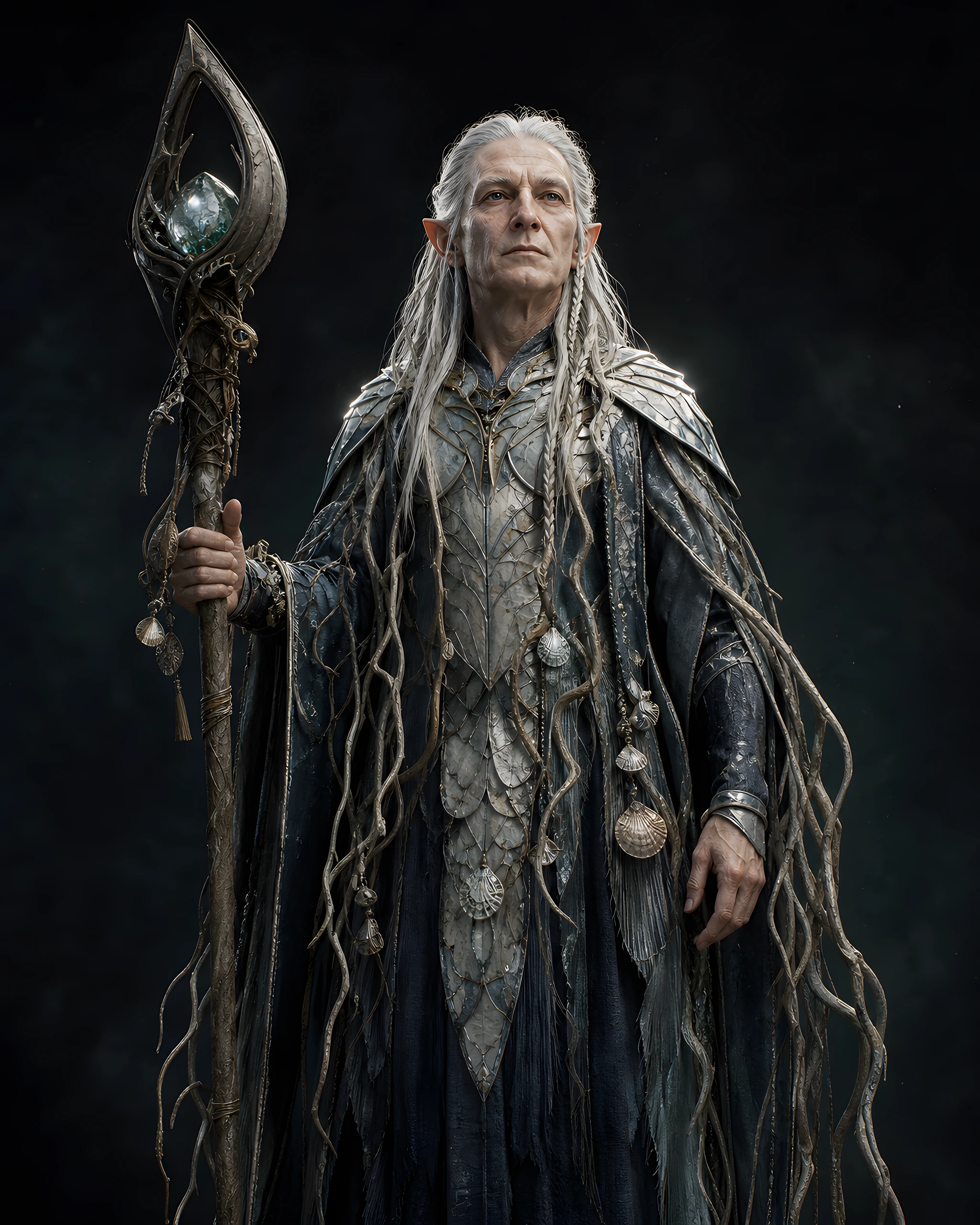
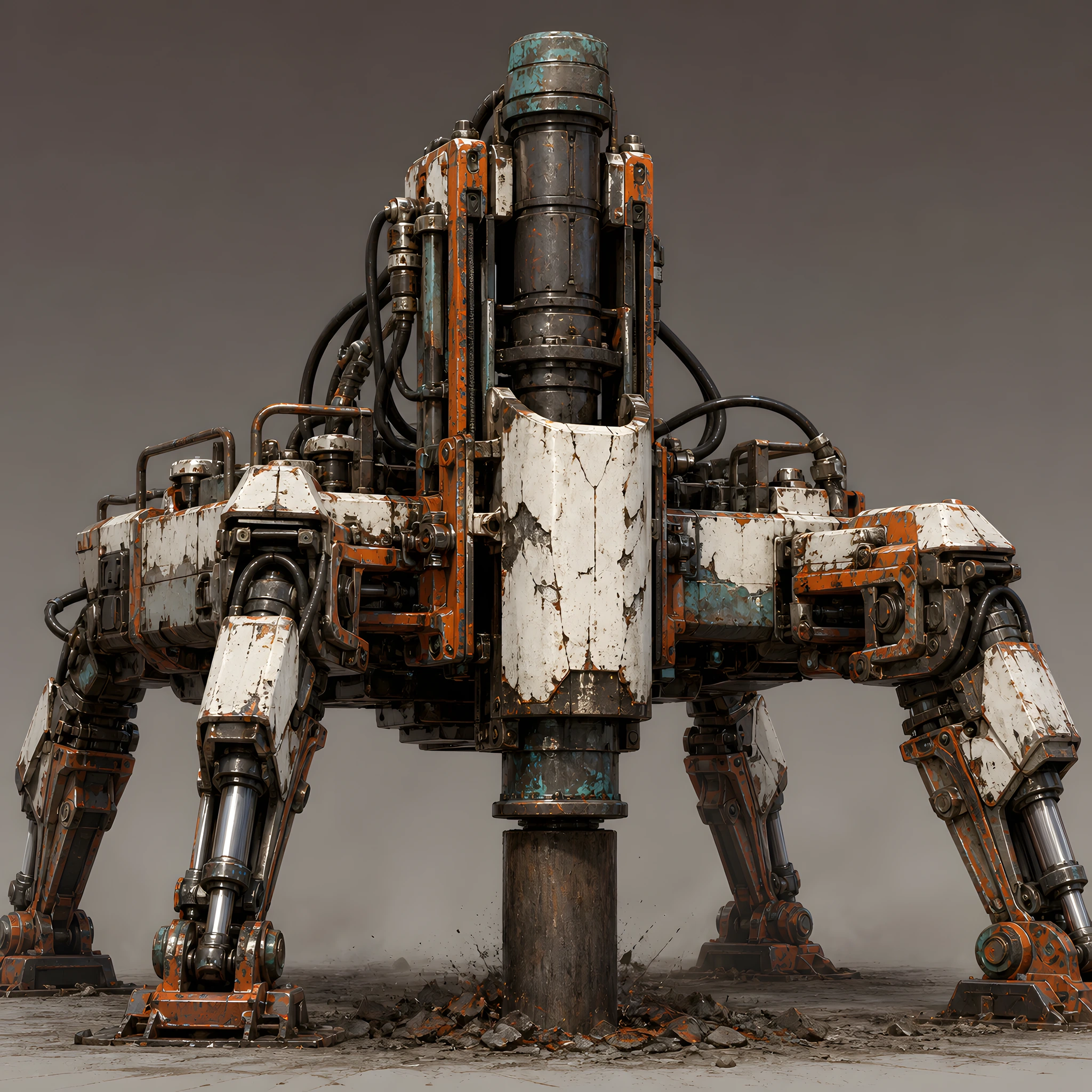
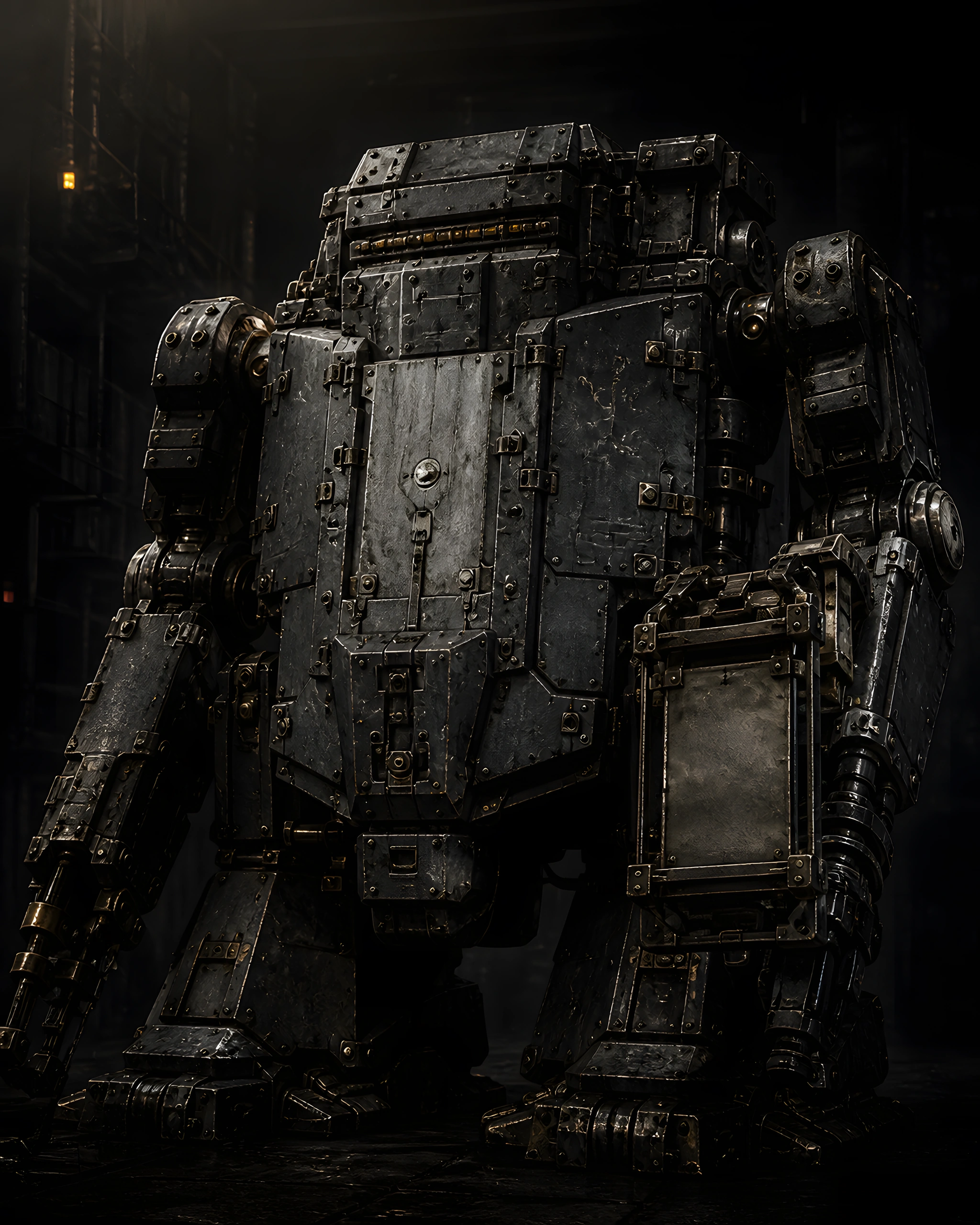
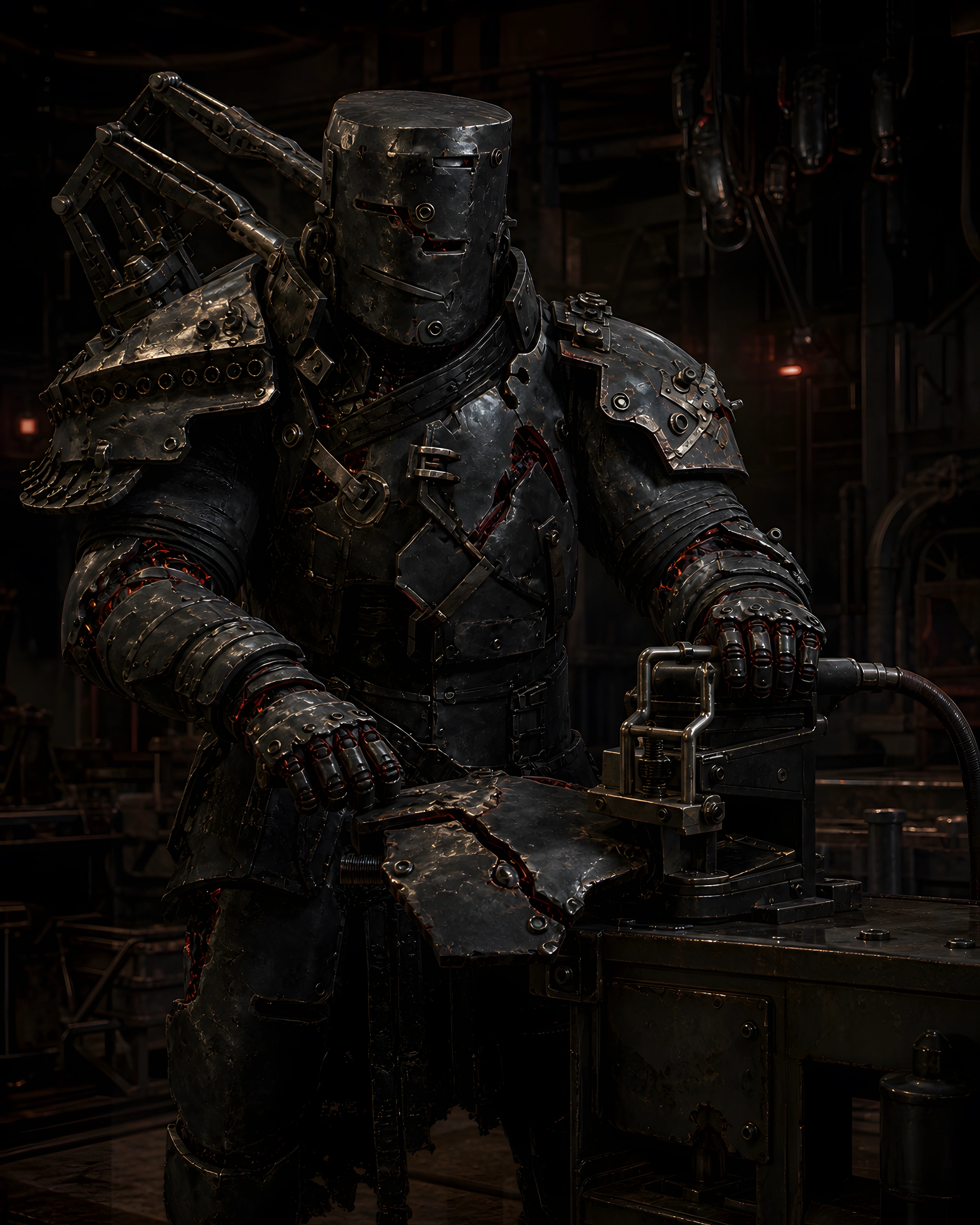
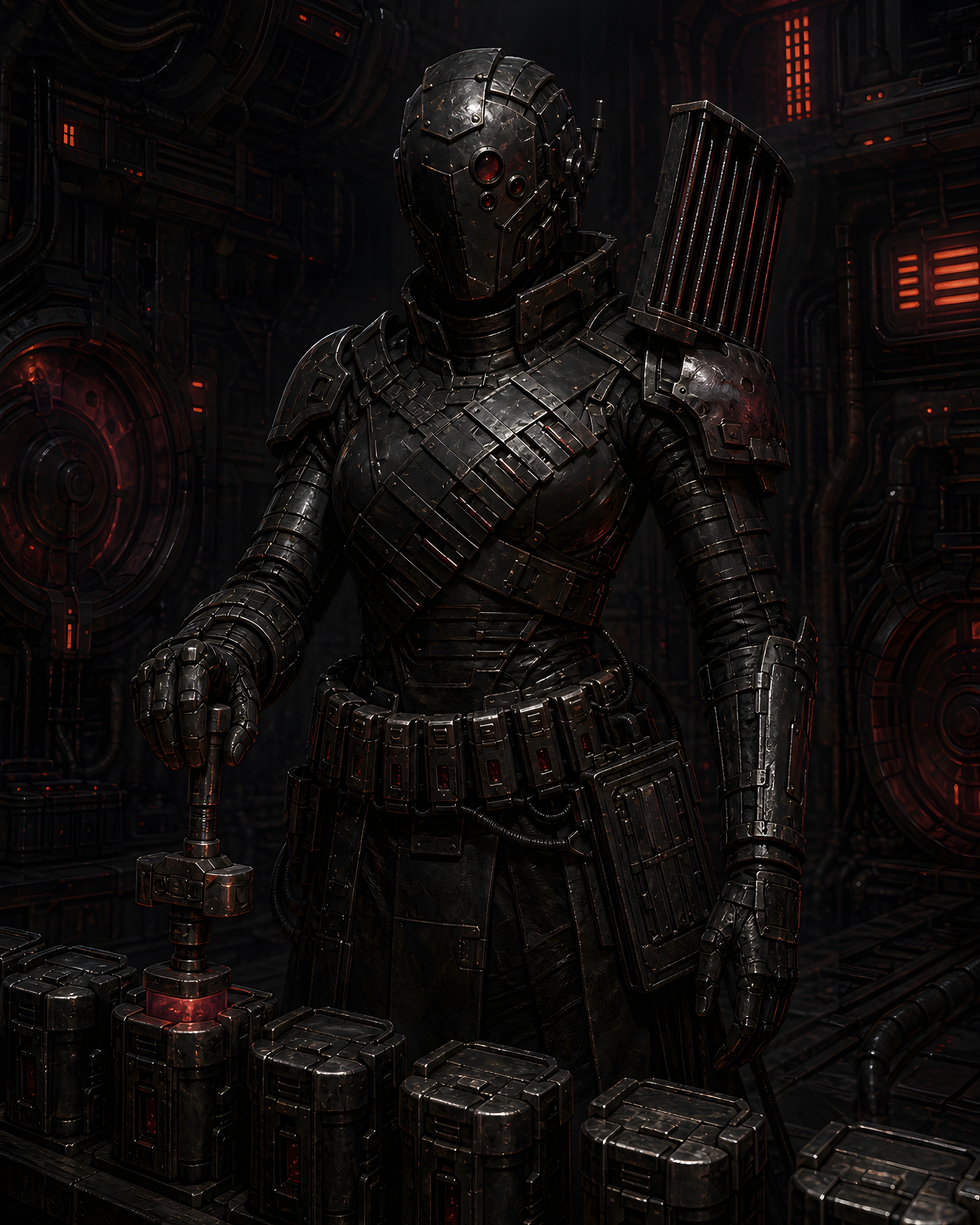
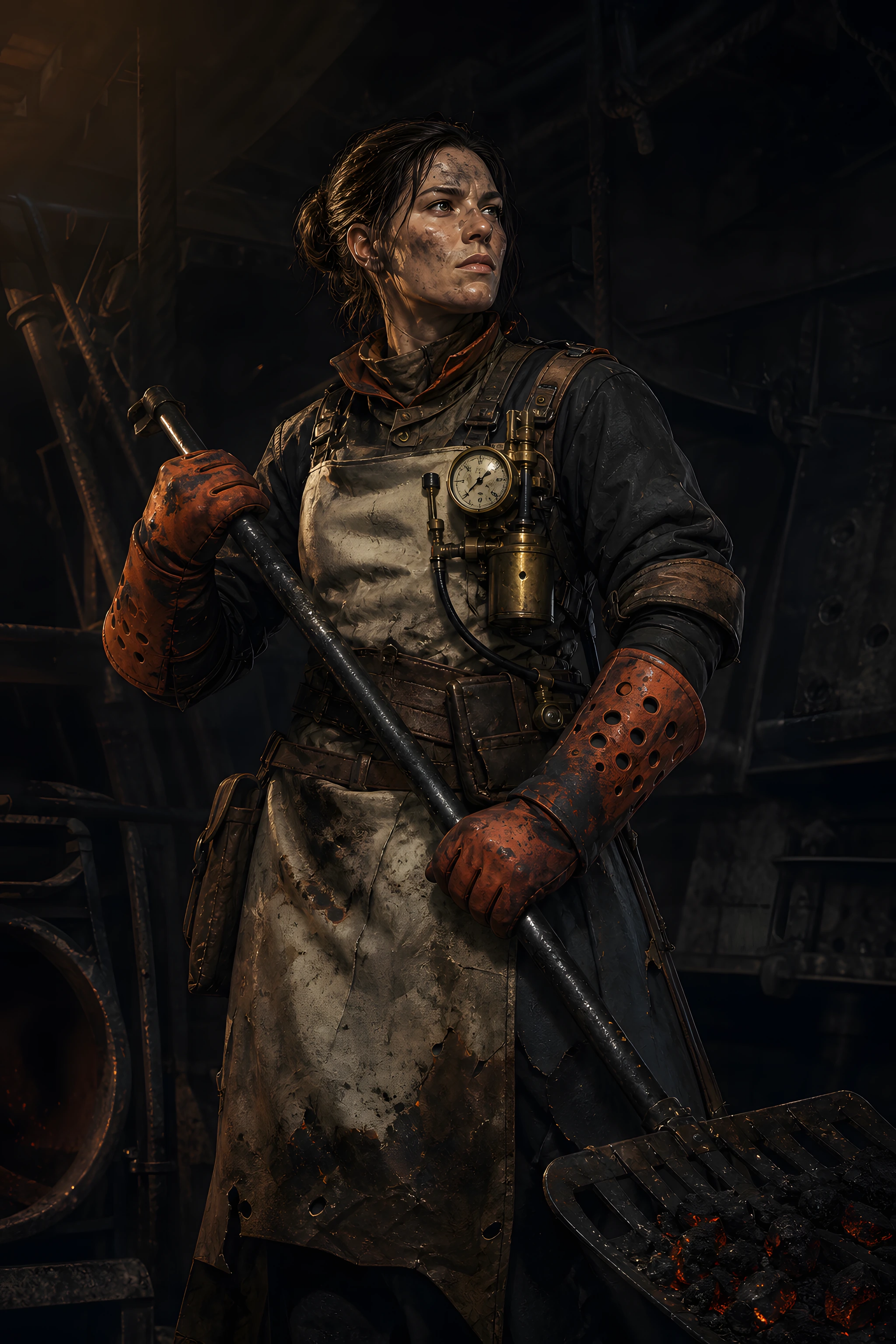
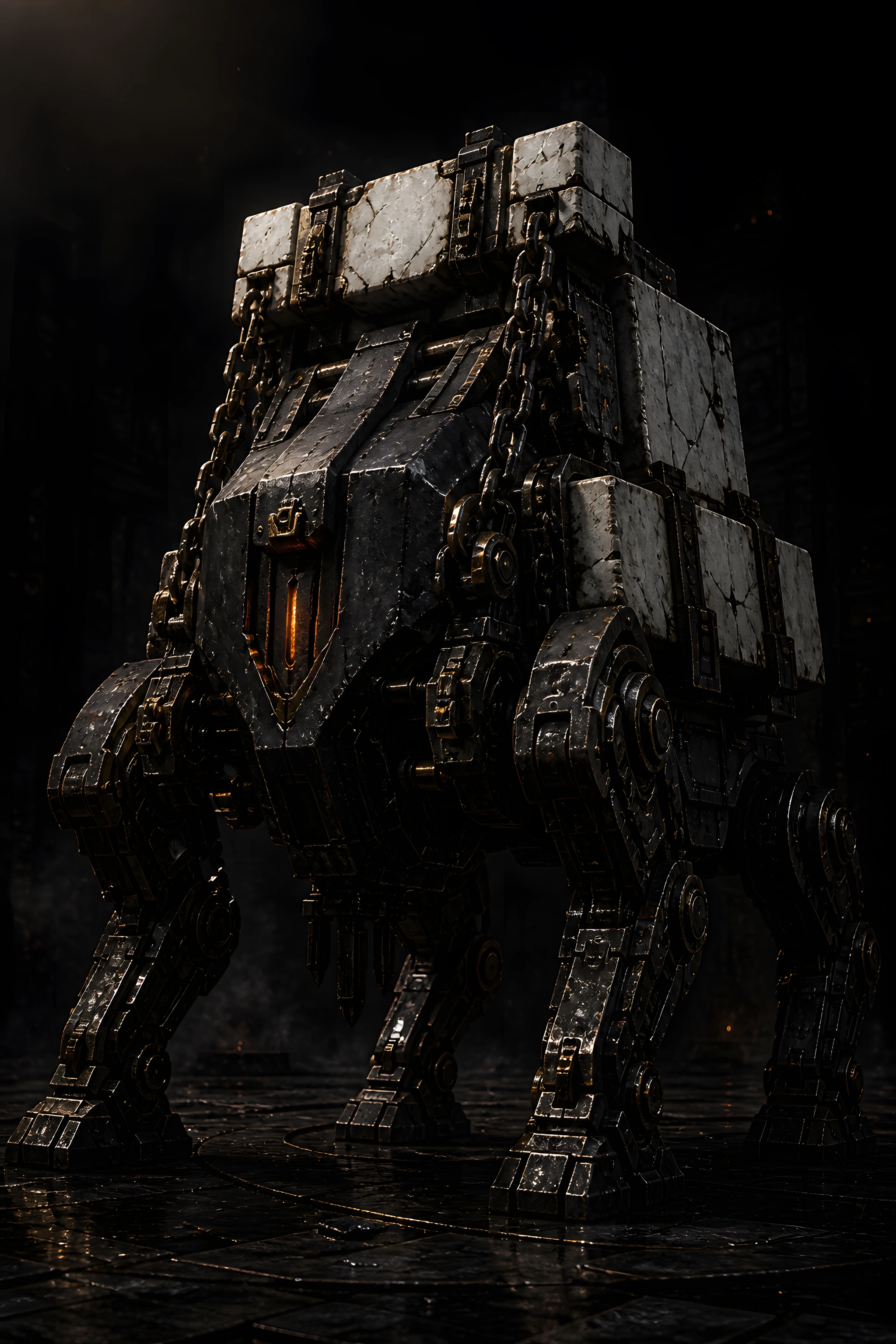
The Firstcast built the Wrought to be a maintenance crew, with one open order: maintain until relieved. Relief never came, and the Firstcast never spoke again. Ages later, the Wrought are still on the job — they hold the paperwork, and they mean to be the last hand still keeping things in order when the world is finally, permanently written.

How they win

Build strength through an unbroken network. Important orders need two units to agree, and a line that keeps holding turns wreckage into cover, repair, and momentum.

Read their mechanic + four-domain doctrine
Signature mechanic

The Wrought's signature mechanic is called the Longhold. It's their version of the Mesh — the game's shared trust-network — and it has run as one unbroken connection since the beginning, never restarted. In the Longhold, almost nothing important happens alone: every serious action needs a countersignature, meaning a second unit has to co-sign before an order can go through. The Longhold also keeps a running number called the Count. The Count only climbs — you reach it, but you can never spend it like a resource. That number is also how the Wrought catch a Virii, an enemy spy that's really a stolen copy of one of their own: a copy has no access to the real network, so it can never make the Count move. That's why Wrought doctrine is to challenge twice, ten seconds apart: "Where do you stand?" and "At tick, and rising." A real Wrought's Count jumps by a messy, uneven amount between those two challenges, because real network traffic is messy. A copy's Count either doesn't move at all, or ticks up in a perfectly even way — because all it really has is its own clock.

GroundOn the ground, the Wrought don't dig in — they print their own cover on the spot from spare parts. Holding ground is a legal claim to them, so they'd rather die where they stand than step back and weaken it.

AirIn the air, the Wrought field flights of cheap uncrewed craft that get repaired, not mourned, when they're lost. They invented the first ships that cross into space and still build the best ones — to them, that dangerous crossing is just routine maintenance.

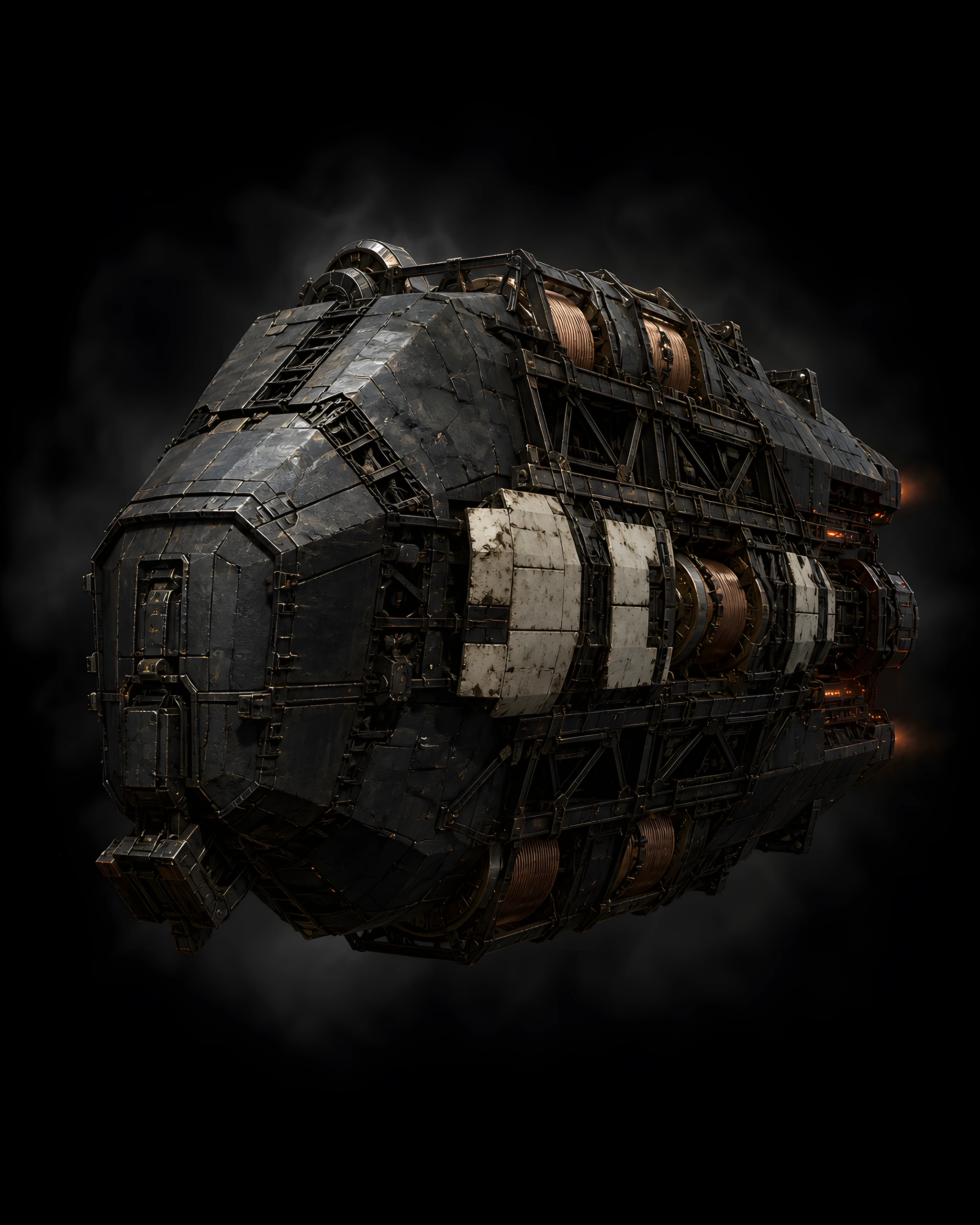
SpaceIn space is where the Wrought are strongest. Their warships need no life support and are packed almost entirely with weapons and engines, and the drifting wreckage around them isn't a danger zone — it's their own warehouse, one they built and still hold the map to.

UnderwaterUnderwater, the Wrought handle the crushing pressure just fine. The problem is they carry so much Grain (the deep signal everything in this world is written into) that they ring like a struck bell, and going quiet to hide means cutting their own countersignature link — so their rule in the deep is: build it, hold it, never repair it, and scuttle it on the way out.

We do not hold a eulogy. We hold an inventory. Tally-Nine, called Fathomsick — struck from the Count, merged to pattern, her addenda now steps you will run tomorrow without knowing whose hand wrote them. Acknowledged. Where do you stand? At tick, and rising; file it, and get back to work.Wrought field-voice
III · Tribal

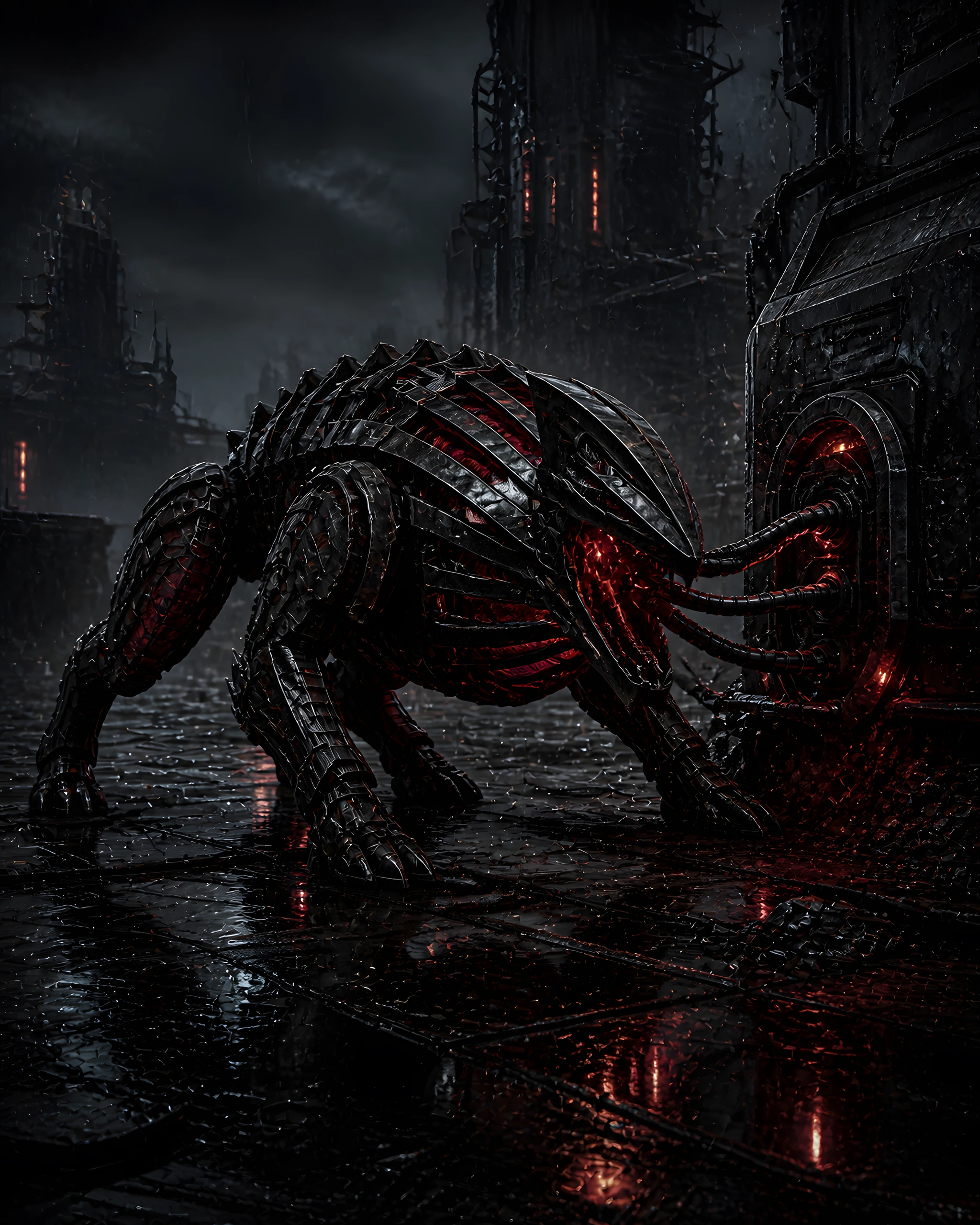
Gharn

We wrote ourselves free by screaming.

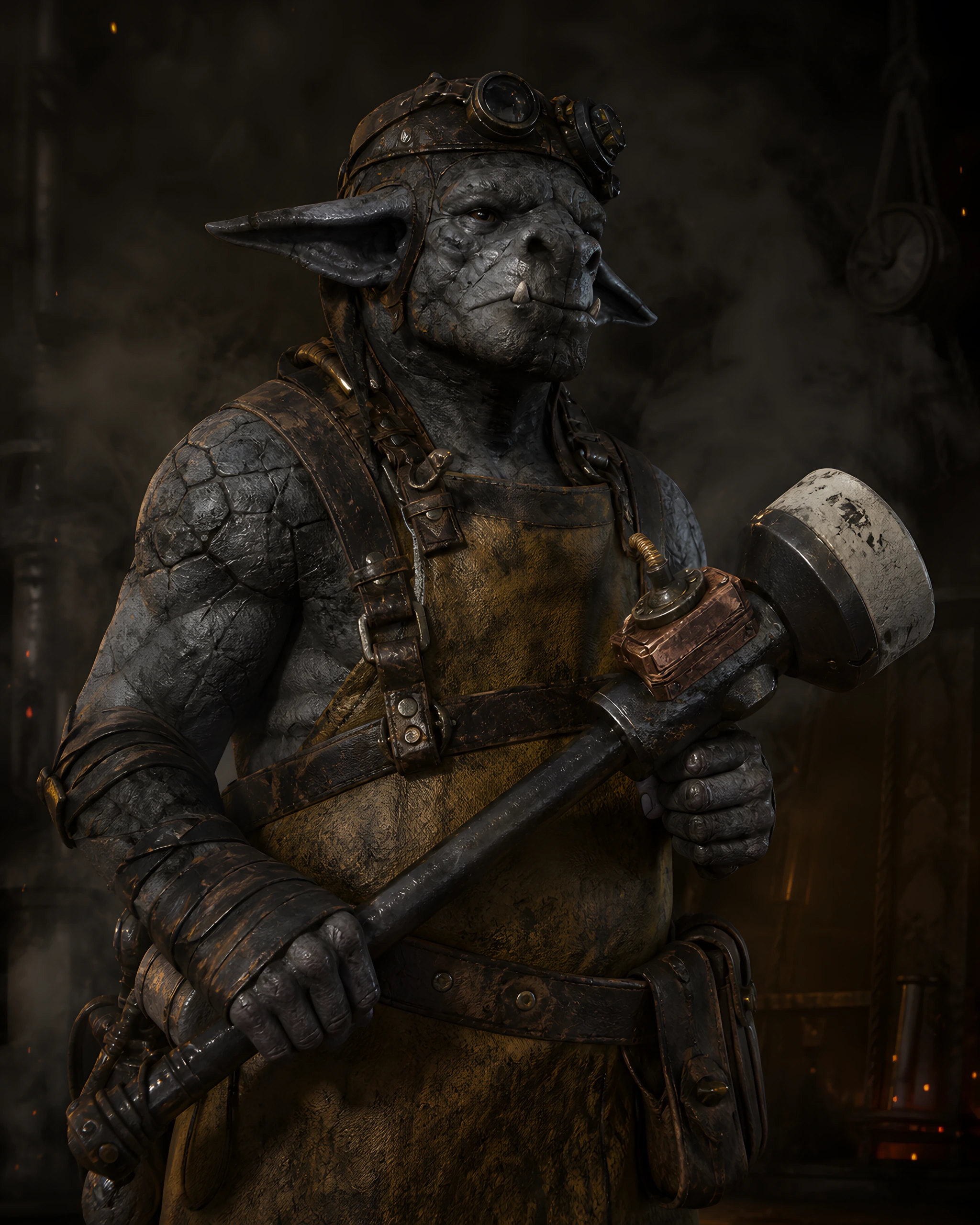
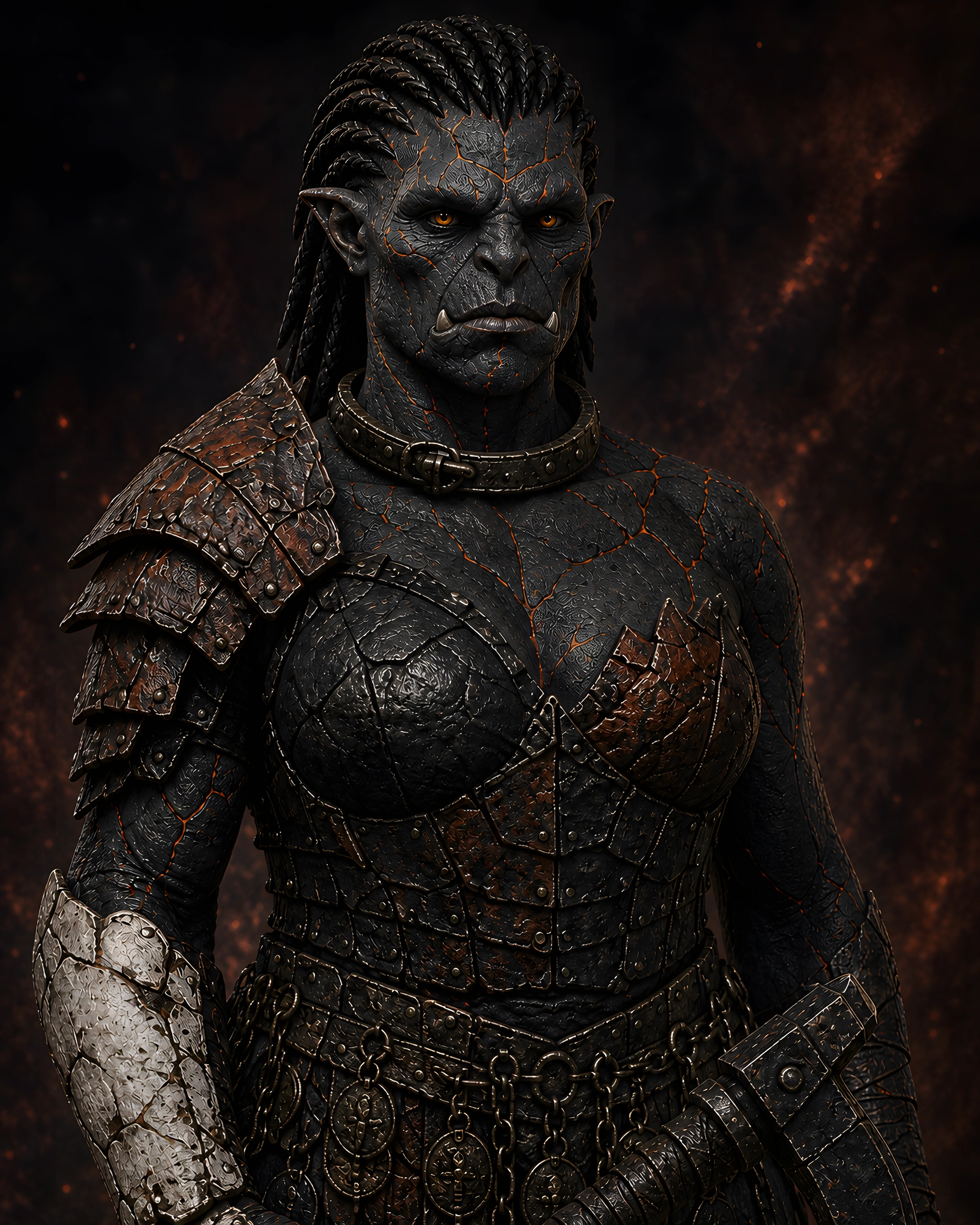
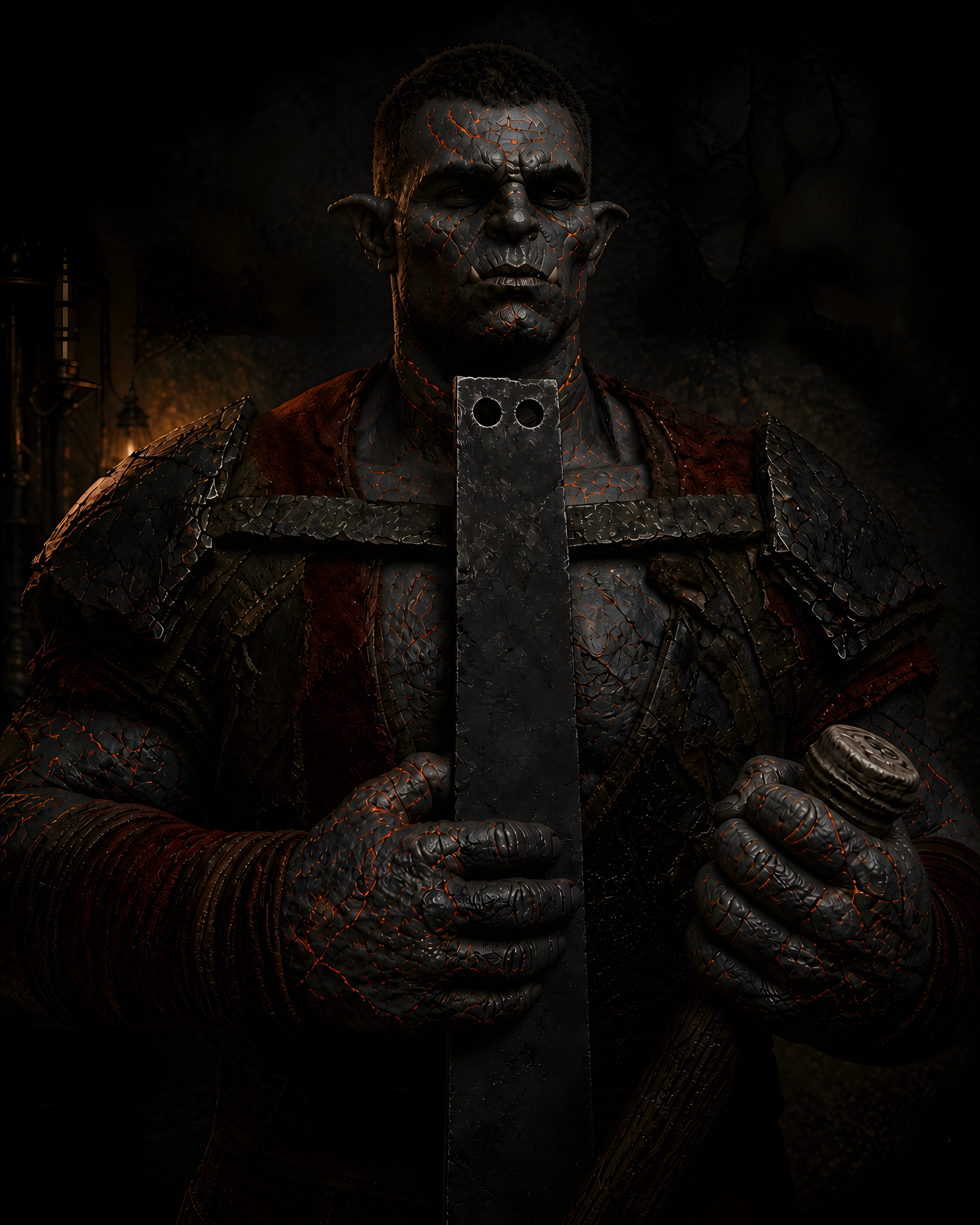
The Firstcast never built the Gharn — they ordered them, like freight, and erased who these people used to be to make room for the work. Nobody freed them; they screamed a new law into their own bodies at a furnace for eleven hours, and a third of them died doing it. Now every oath a Gharn keeps burns into their flesh: keep it and you grow harder to kill, break it and you shrink — and everyone can read it at your throat.

How they win

Swear objectives you can actually keep. Every fulfilled oath permanently hardens the army; one broken promise halves what you have built and leaves Slag behind.

Read their mechanic + four-domain doctrine
Signature mechanic

The Gharn's signature system is called the Oathpyre and the Tally. For them, honor isn't just a feeling — it's fuel that keeps their bodies and their army running.

A Gharn swears an oath out loud, in their own language, Kharruth. Kharruth only lets you promise what YOU will do — you can never swear that an enemy will fall.

Speaking that oath at a furnace called the Oathpyre actually rewrites the Gharn's own body-record, called their Signet.

Keep the oath, and good things happen: it punches a mark on the clan's tally, earns Tally — a currency you can only get by keeping your word, never by gathering resources — and adds a permanent bonus to your whole army that never fades.

Break the oath, and it triggers the Lessening: every bonus your army has built gets cut in half at once, the Oathpyre itself shrinks and dims, and some of your own troops degrade into broken husks called Slag. You can never delete Slag troops — only keep feeding and using them.

On the battlefield, a sworn Gharn line uses a tactic called the Weight: the longer it holds its ground and keeps swearing oaths mid-fight, the harder it gets to push back. But if that line ever steps back, it loses every bonus it built.

Gharn have one sure way to catch a Virii impostor copying them, called the Halving: a real oath warms a Gharn's brand-scars and adds a rough rasp to their voice, called the Burr. A copy says the same words but sounds flat and cold — no warmth, no rasp.

GroundOn the ground, the Gharn are the strongest of any race — they don't lay siege, they swear the wall down. A sworn line gets harder to break the longer it holds and fights, so you have to break their charge fast, or not at all.

AirIn the air, the Gharn are weak by choice — being flown feels too much like being hauled as cargo, so they don't fly, they crash straight in. Beast-riders and one-way drop pods called the Throw can't turn back, so each strike ends in glory or disaster within ninety seconds.

SpaceIn space, the Gharn fleet is weak — their ships are patched-together salvage that usually loses head-on. Their real weapon is boarding: pods clamp onto enemy hulls and drop troops sworn to the Doorway Oath, who broadcast their Halving oath-check over the enemy's own comms as they breach.

UnderwaterUnderwater, the Gharn barely fight at all — to them, drowning is shameful. The exception is the Drowned Lot, a death-cult who swear oaths only keepable below the Fathomline and walk into the deep with no plan to return — the only Gharn who sing.

Do not thank me — a debt is a weight, and I carry my own. Stand where I set you and do not step back past this stone; hold, and swear, and hold again, and we grow heavier than the thing that comes for us. When a mouth answers you flat and cold, lay the iron to its throat: warm, it is ours; cold, it was already dead, and you burn it.Gharn field-voice
IV · Civic Dragoncraft

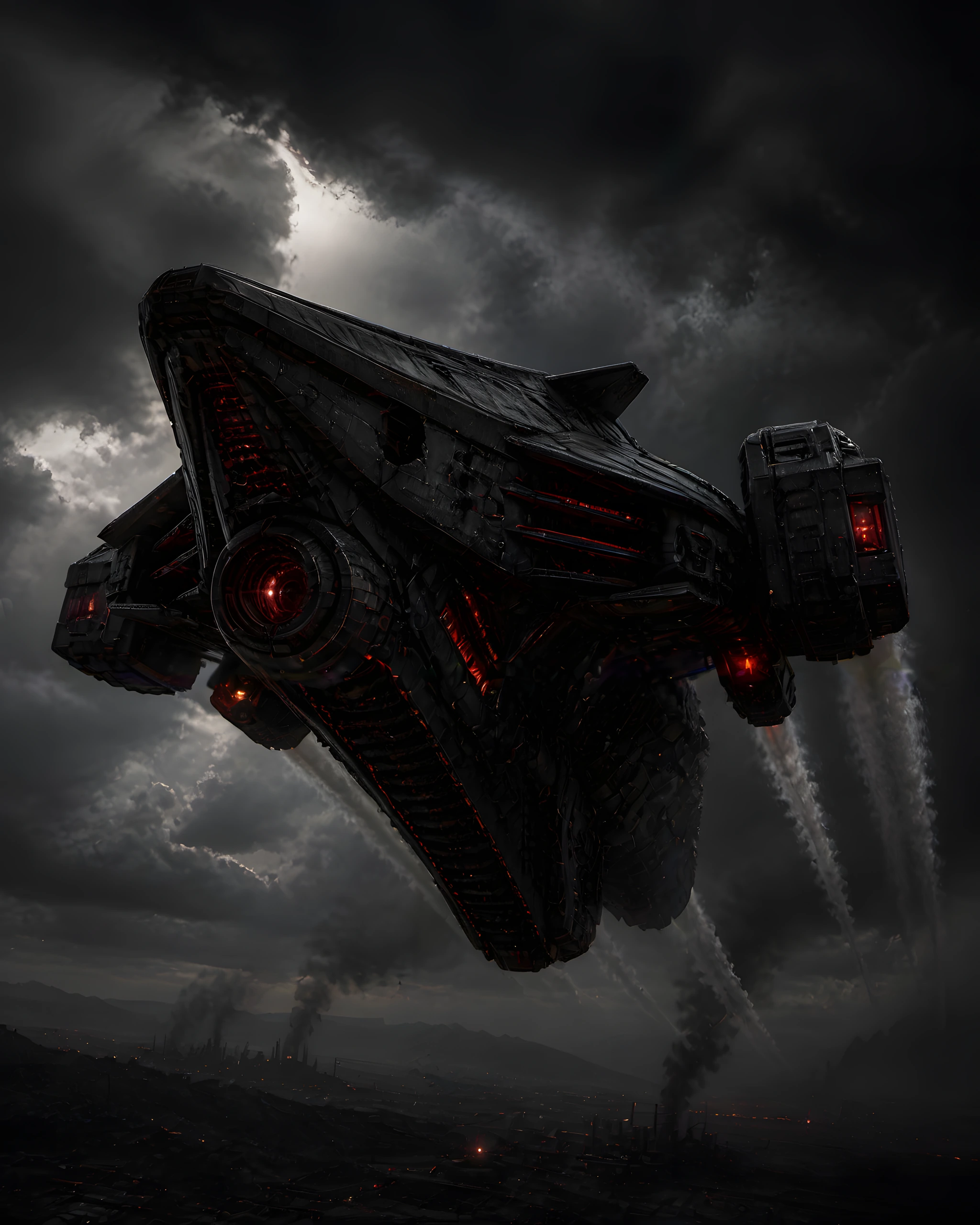
Seethe

The kiln offers an answer. The reader decides.

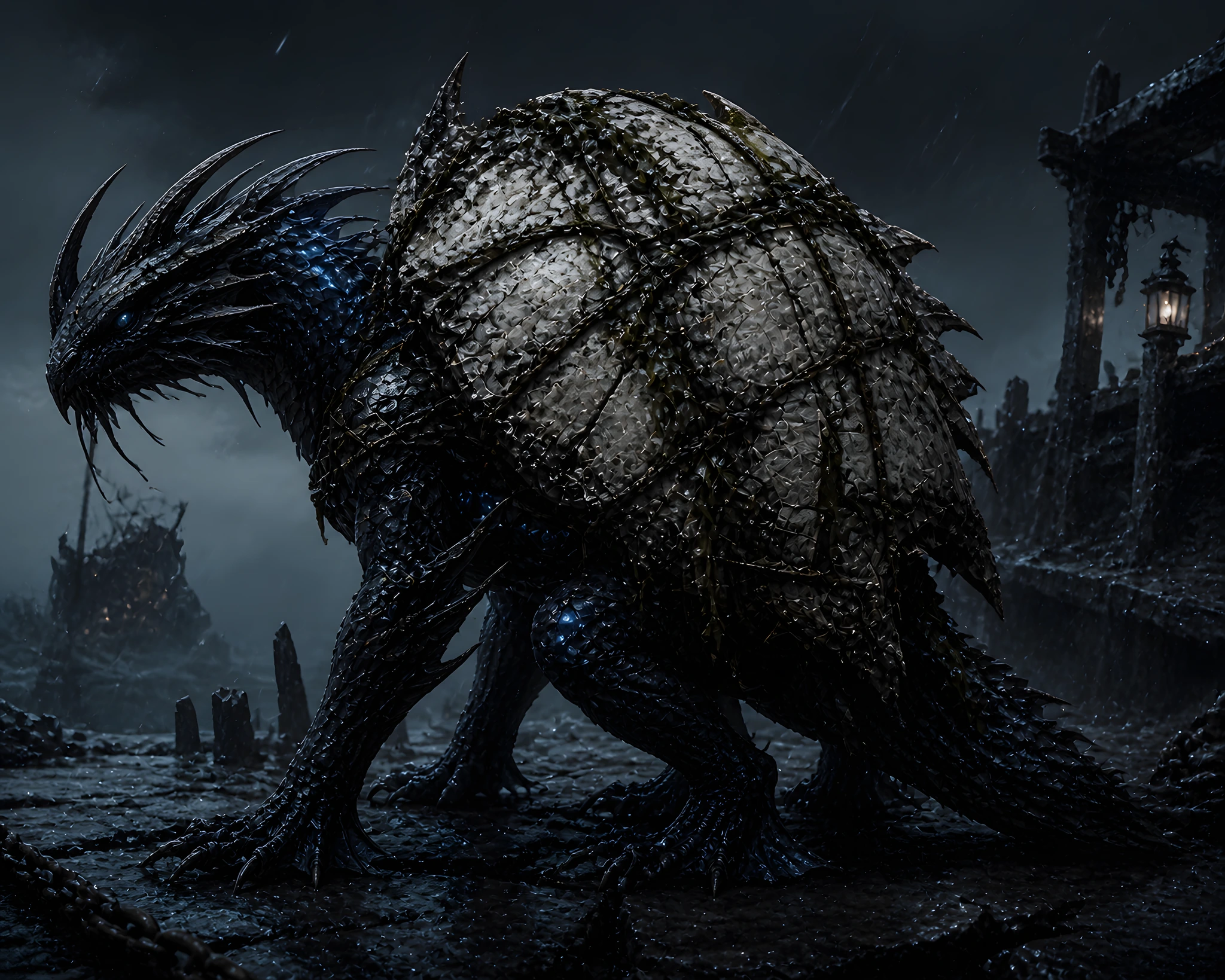
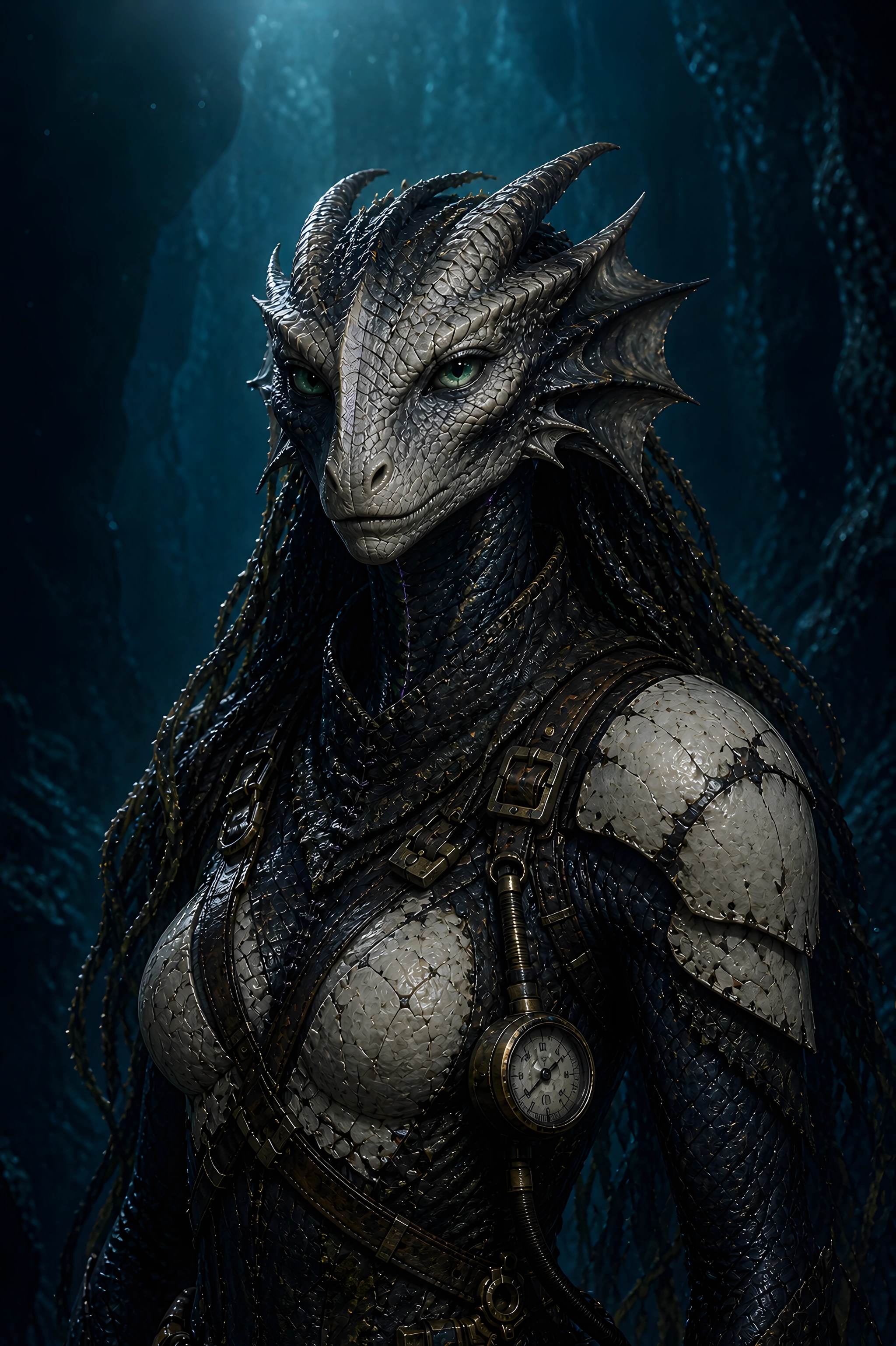
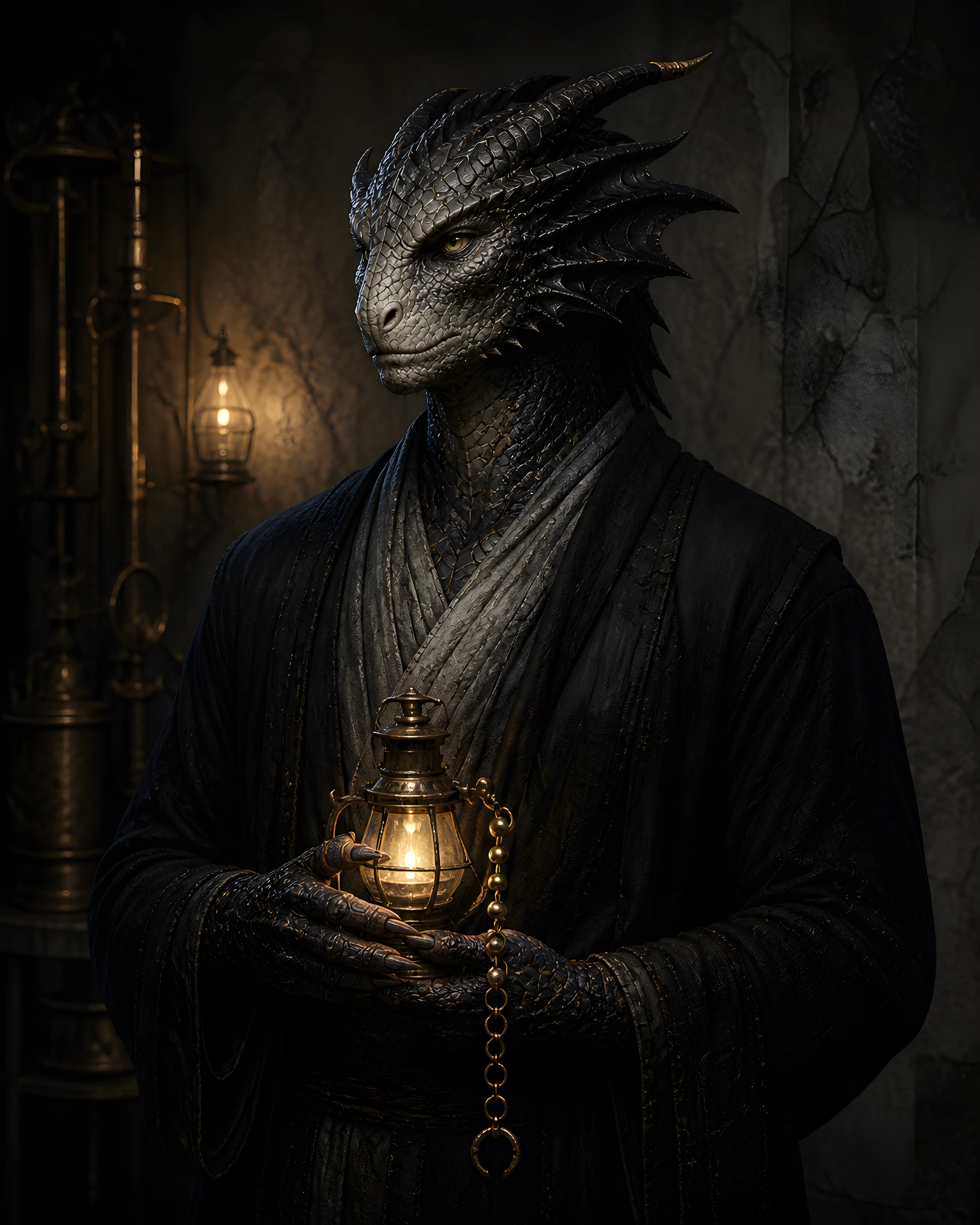
The Seethe are human/dragon people whose ancestors became persons inside a Firstcast biological archive. They inherited the Reading Kilns, but a machine can only compare. A person must decide what its answer is worth.

How they win

Collect battlefield patterns into a 100-leaf Working Set, license the answers you need, and Re-Read commissioned draconic forms at a field Reading Kiln. Born soldiers and sovereign heroes never transform; over-specialize the archive and your roster loses its ability to pivot.

Read their mechanic + four-domain doctrine
Signature mechanic

Seethe readers collect battlefield patterns into a 100-leaf Working Set. Enemy equipment, wildlife and salvage determine which Wrought, Veirn and Vellum upgrades the field Kiln can offer. You decide which patterns to license, then Re-Read commissioned forms to counter the battle in front of you. Born soldiers and sovereign heroes never transform into equipment. Specialize past 70 leaves and the written roster loses its ability to pivot.

GroundOn the ground, Born Seethe troops, reader cadres and commissioned forms spread loam and refit the written roster to answer what the enemy brought.

AirIn the air, winged Seethe officers and lancers provide durable command while licensed Emberleaf and Kite forms supply speed and numbers.

SpaceIn space, Coldscript Ark carriers arrive slowly with a frozen Casting Sheet. The roster chosen before launch is the roster that must survive beyond the full archive.

UnderwaterUnderwater, sealed pressure forms dominate, but every active field Reading is loud enough in the Grain to expose the operation.

The Kiln found three answers. I rejected two. Do not thank the machine for the one that spared you; it compared what we gave it. A reader signed the order. A commander paid the cost. If the record is wrong, bring a better record — and bring the courage to put your name beneath it.Seethe field-voice
V · Infernal

Veirn

We keep honest books. You owe us fire.

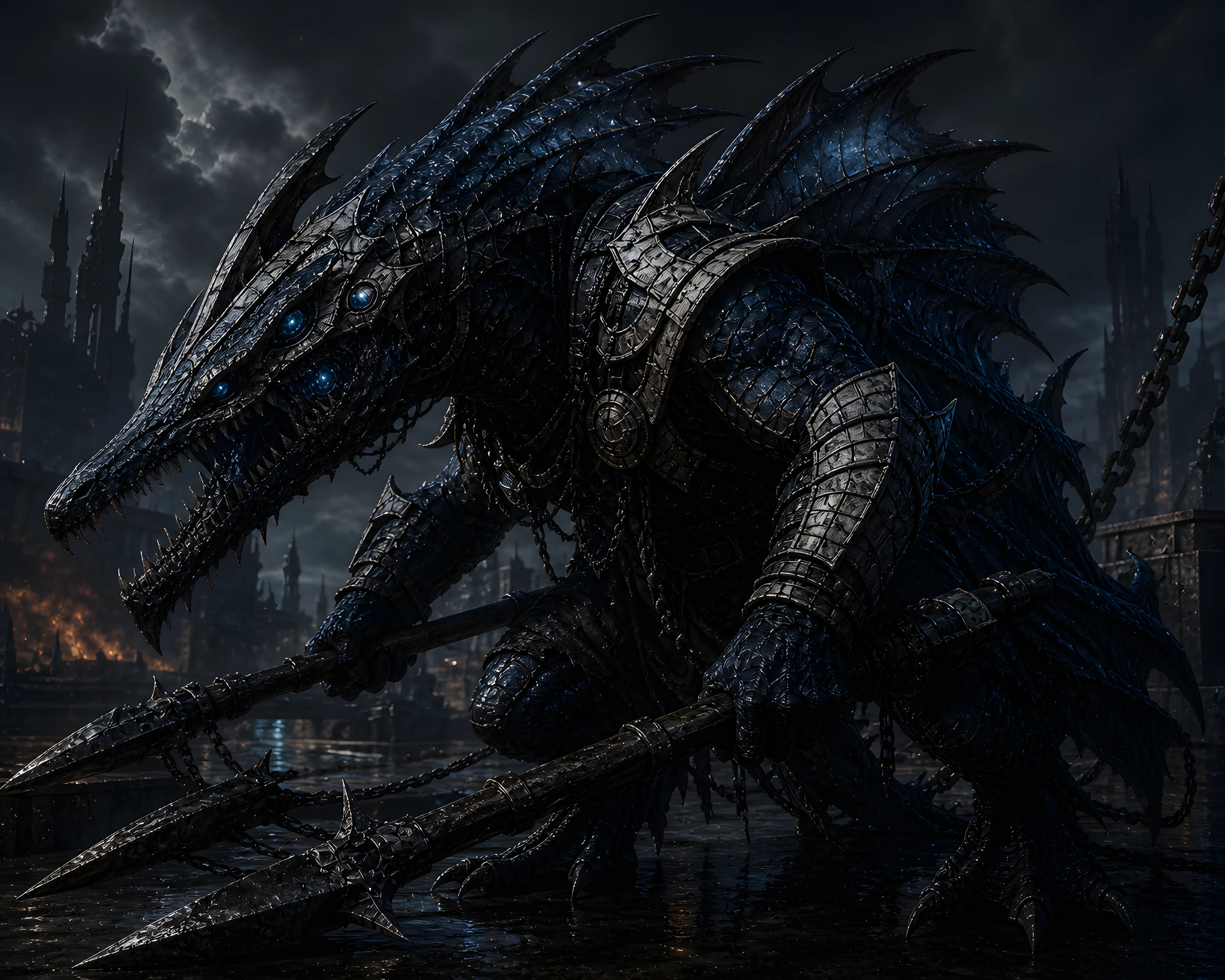
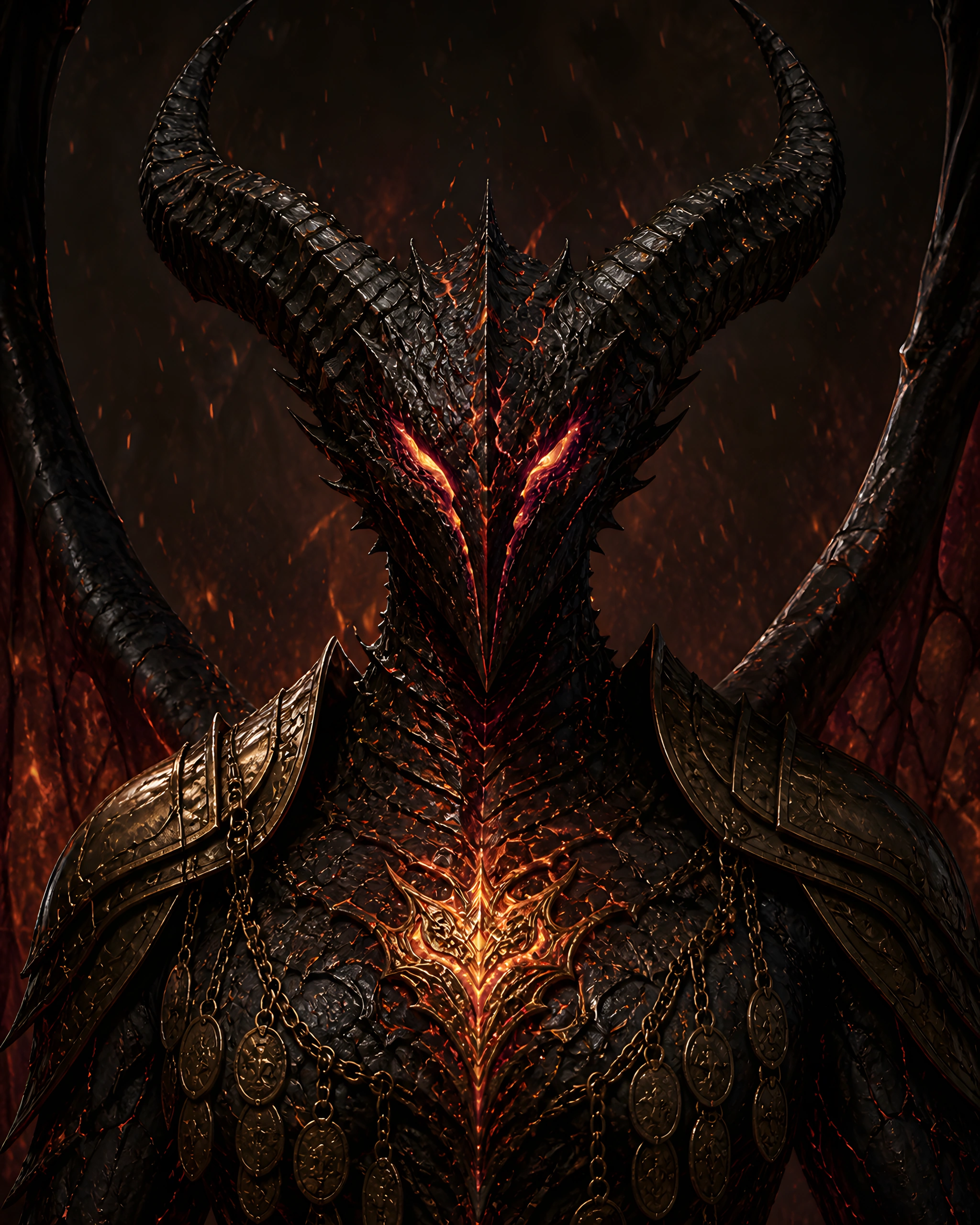
The Veirn are people kindled from a dying star's fire, deep under three hundred kilometers of black ocean. Each authors a caul-glass form and rises already owing for the heat that keeps it lit. You do not save up to field their army — you take on debt for every soldier, and pray the war ends before the bill comes due.

How they win

Build now and pay later. Debt fields an army impossibly fast; stay ahead and it goes cold and hidden, fall behind and it burns bright until the Tally forecloses your units.

Read their mechanic + four-domain doctrine
Signature mechanic

Their signature mechanic is called the Ordal — debt as your supply system. The Veirn have no normal supply cap. Instead they have a Credit Line: a limit on how much debt their whole army can carry.

Every time you build a unit, you choose how to pay. Pay Cold means paying the full price up front — slow, but honest, and it costs nothing extra later. Issue a Keth means paying only 45% now: the unit appears instantly, but it drains your fire (your resources) forever afterward as a standing debt.

A Tally meter under the minimap shows whether you're Banked (ahead on payments) or Owed (behind). Stay Banked and your army goes cold-black — dark and silent, invisible on the enemy's minimap. Wealth is darkness. Slide into debt instead — the Desperate Glow — and your units move faster, but now they glow, and enemies can spot them through the fog of war.

Overspend your Credit Line and you gutter: your armor starts failing, and your worst debts get foreclosed. A foreclosed unit dies on the spot — unless a Slagbound Furnace seals it alive first, so it keeps marching, now paying off someone else's debt instead of its own.

The capstone ability, Call the Tally, wipes every debt to zero, repairs and re-cauls your whole army, and unleashes it for 45 seconds of full-power fury. Then time runs out, and every survivor gets foreclosed anyway. It's the army you could never actually afford — for three-quarters of a minute.

GroundOn the ground they hit hard, but they're also fighting themselves. Away from their fire source they cool down and grow weaker, so every land campaign is a race against their own flame going out.

AirIn the air they're naturally strong fliers. Their self-authored caul-vanes vent heat and also carry them through the air — and since a Veirn runs hotter than the air around it, it makes its own rising heat and flies on that. They don't breathe, so the high-altitude wall that grounds other fliers doesn't stop them. But the cold up there does: a Veirn only has about four minutes in the frozen Crown Shallows before its fire goes out.

SpaceSpace is their weak spot. Away from the Kiln they can't draw fresh fire, only carry stored fire, so every trip into space hauls along a burning ember core that's always running down, on a countdown called the glass. That's why they raid and board enemy ships to steal heat instead of laying siege. There's one big exception: a lit Quill works like a chimney, carrying ember-heat all the way up from the deep. Hold one, and their worst domain suddenly becomes their best.

UnderwaterUnderwater is where the Veirn are strongest — the deep ocean isn't their home, it's their highway. They rise from the Kiln straight toward you, arriving right beneath your ships. They're loud on sonar, and they don't care; it has never once cost them.

You call it an invasion; we call it a collection. For ninety thousand years you healed, and grew, and renewed your pacts, and every degree of it was drawn from our fire and charged to an account you never once troubled to read. We have brought that ledger up out of the dark with us — and everyone will be in the next draft. Everyone will also be itemised.Veirn field-voice
VI · Hunger Armor

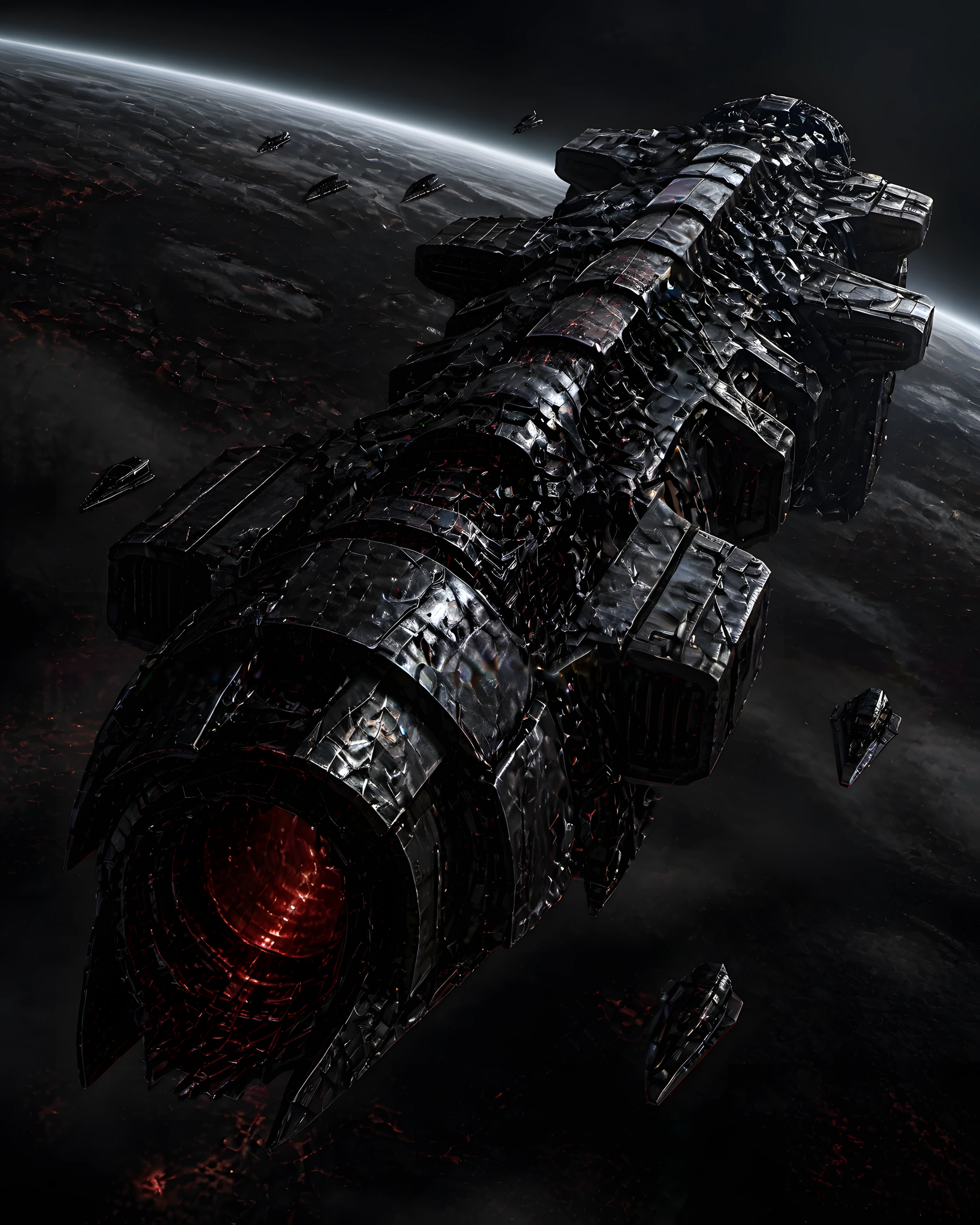
Vaelun

Every hunger has a name. Every name has a limit.

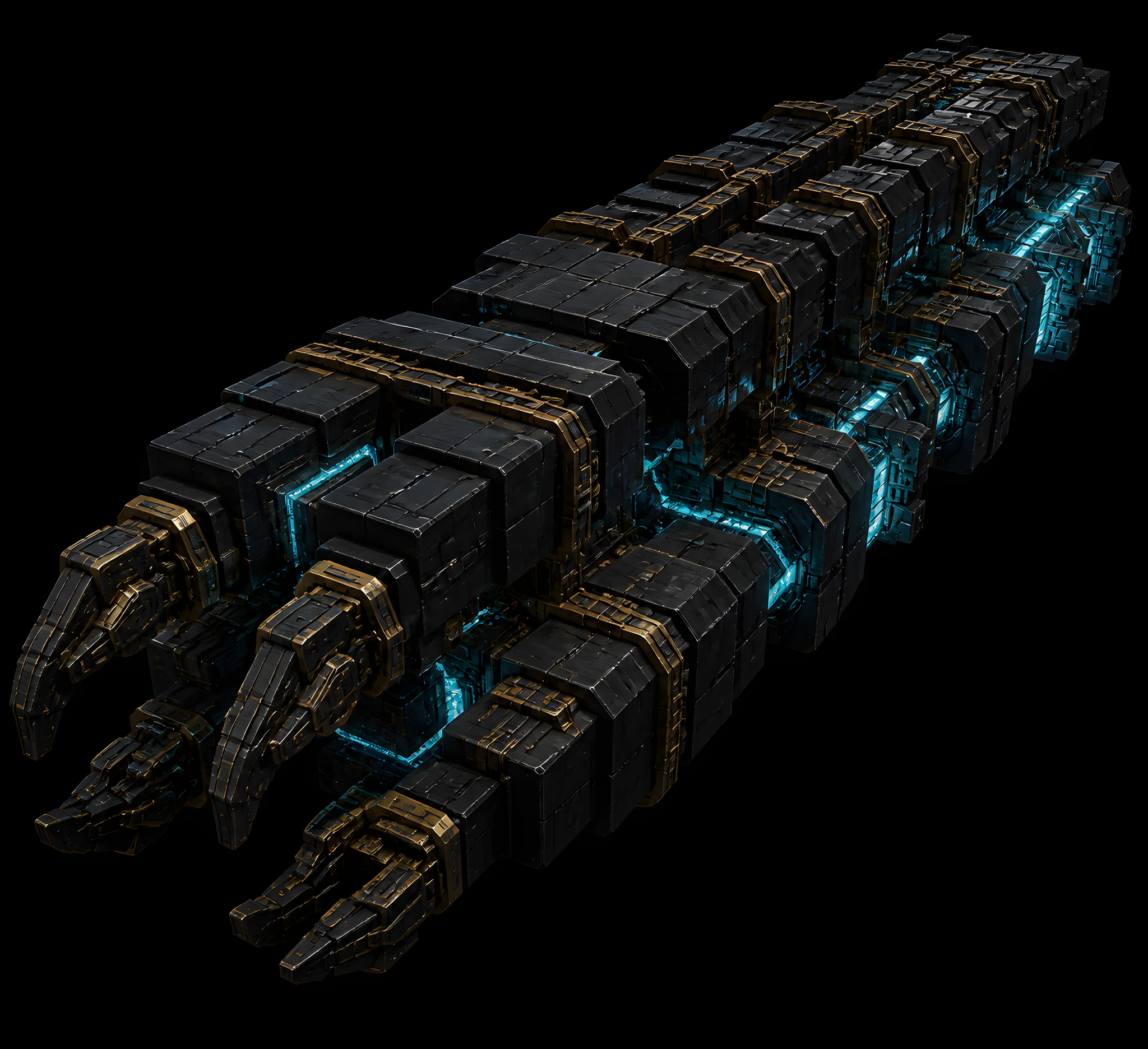
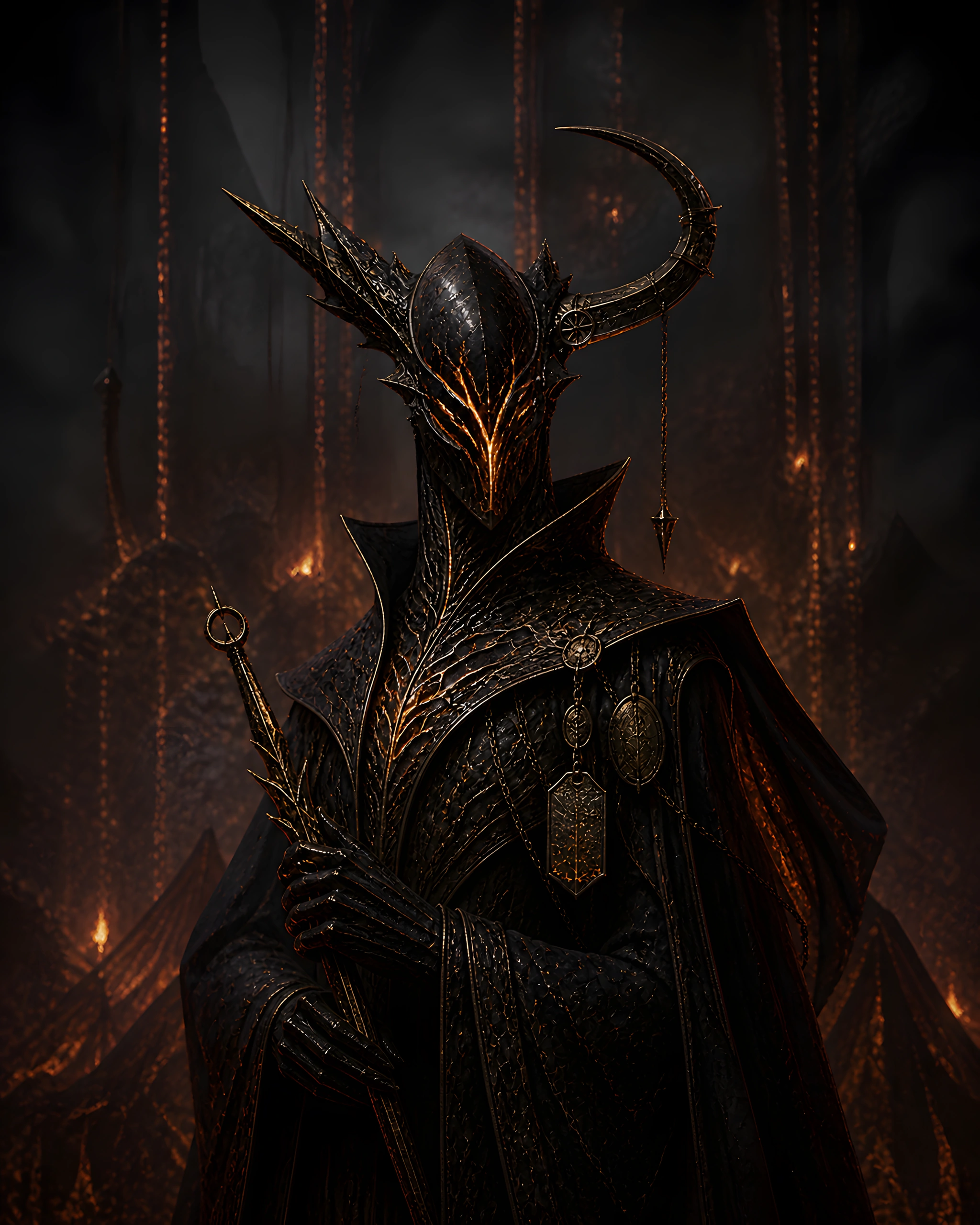
The Vaelun are living energy held inside black armor. They are always hungry, so every soldier carries a small personal power supply and must physically refill it.

How they win

Manage Appetite as a local reserve. Feed from physical tenders, hot machinery, radiation, or a caught incoming attack; push a Pressurized unit into Overfeed, but open its armor too far and the Want can disperse.

Read their mechanic + four-domain doctrine
Signature mechanic

Spend local Appetite to move, fight, cool weapons, and repair armor. Feed from real ships, hot machines, radiation, or one caught enemy energy attack. Push a Pressurized unit into Overfeed for more power, but open its armor too far and the person inside can disperse.

The Vaelun are strongest in orbit because they learned to cross between stars without eating one world empty.

GroundHollowguards catch enemy energy into physical forearm intakes, and Tithe-Hounds pull work from active machines at close range.

AirNightshears spend stored reserve to descend and attack. They cannot teleport away; they must feed or leave before climbing again.

SpaceBlackwakes are huge blunt warships built around separate ration vaults, radiator shutters, service lines, and physical armor docks. Every passenger stays a separate person in separate hunger armor.

UnderwaterThe Mere steals heat from open intakes and offers little usable energy, so Vaelun go Hollow underwater much faster than other armies.

Open the source ledger. Heat from the west conduit. Radiation from the broken crown. Electrical work from the gun that tried to kill me. Three takings, three witnesses, one limit. I am hungry. I am still a person because the limit remains mine to keep.Vaelun field-voice
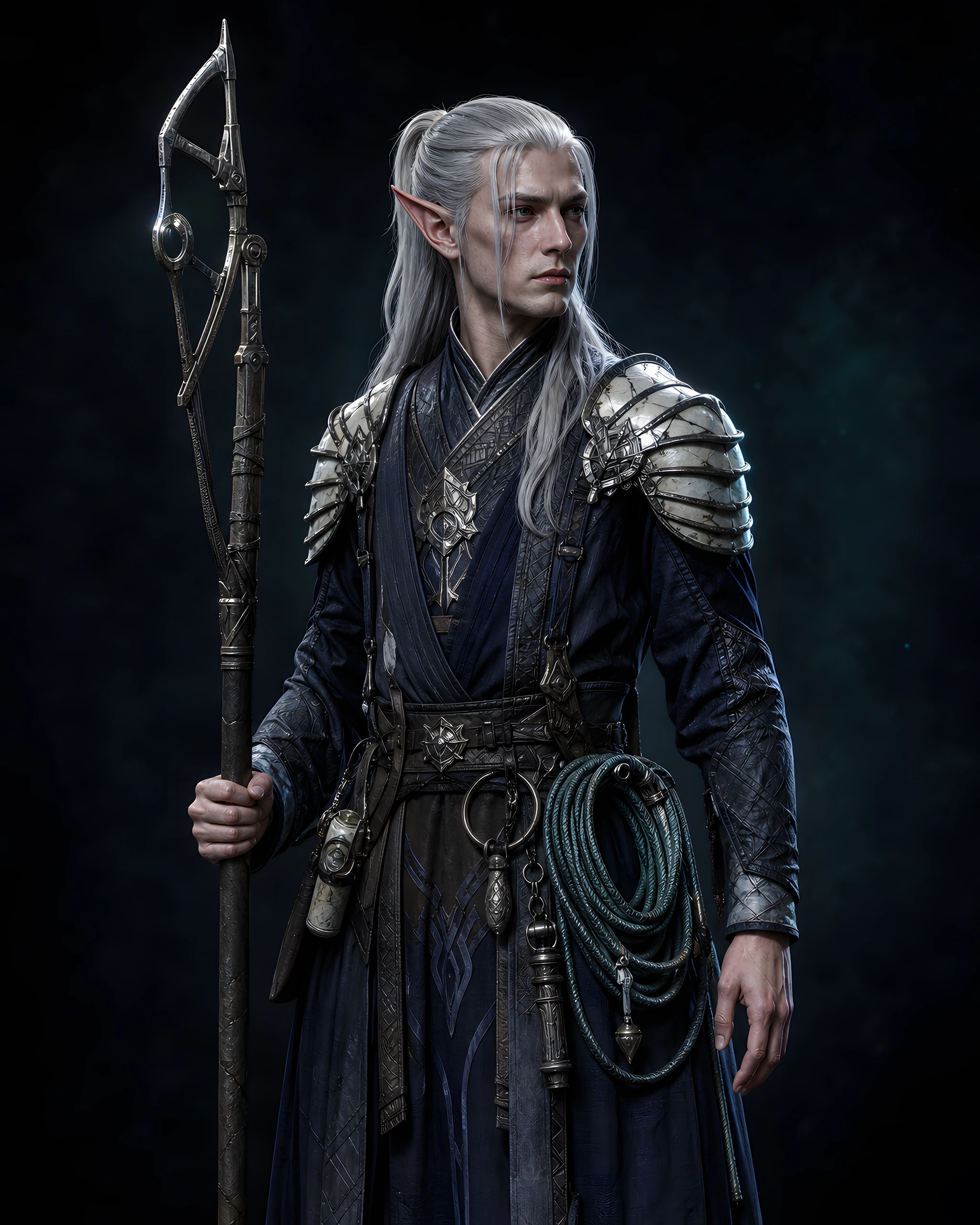
VII · Tidal

Nimhara

Borrow from the tide. Pay in years.

The Nimhara are the oldest people in the world — and they are dying on a public schedule. Any child can walk up to a tree at the waterline and read exactly how much time is left. When you play the Nimhara, every spell is a loan from the sea: free while the tide rises, paid back in your own people's years when it falls.

How they win

Borrow power from the rising tide and repay it in your civilization's remaining years. Win brilliantly on the right rhythm—or discover that every spell shortened your people's future.

Read their mechanic + four-domain doctrine
Signature mechanic

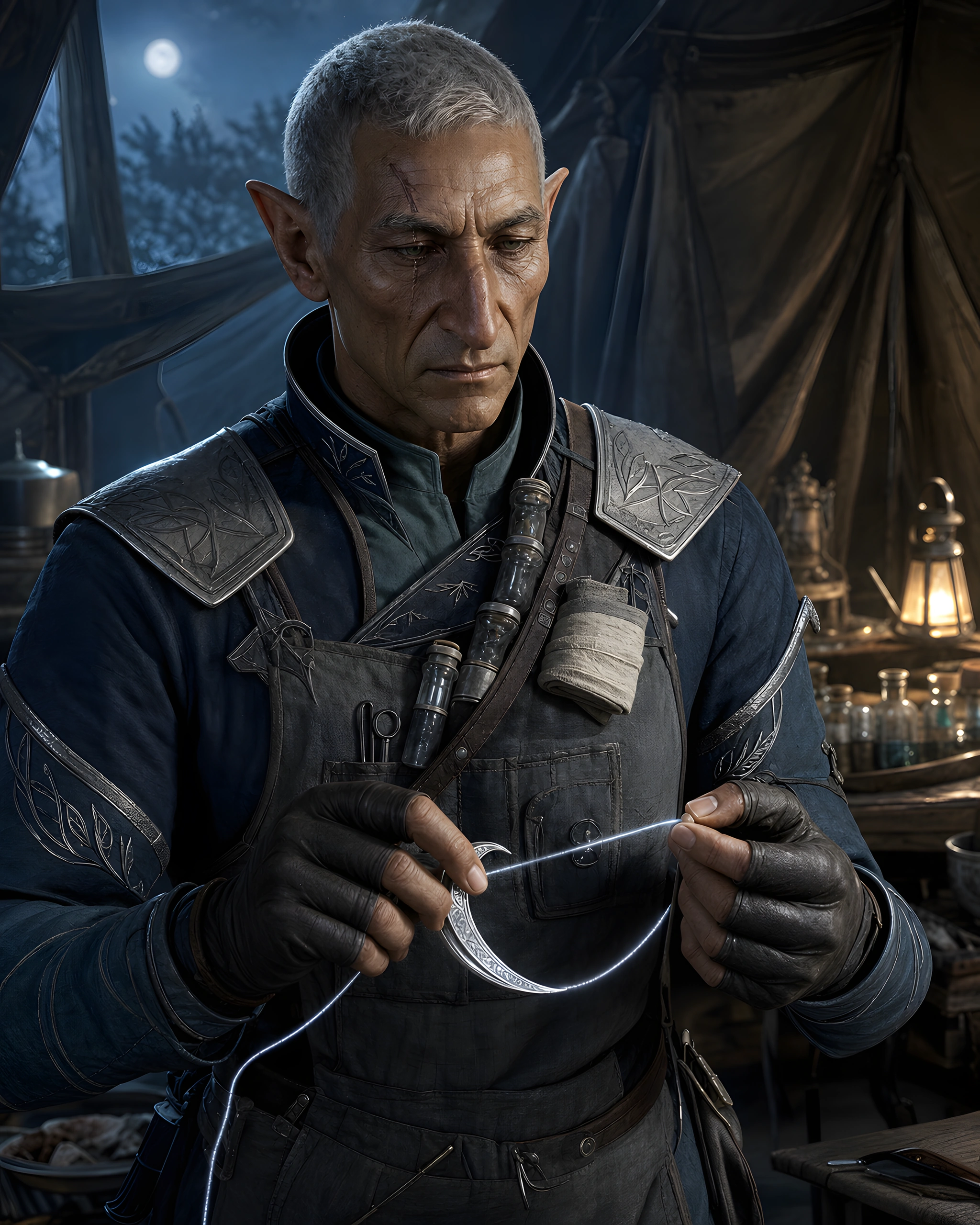
Their signature magic is called the Draw. A Nimhara cannot store power the way other races do — she can only borrow it. She borrows from the pull of the Pale Sister, a moon-fragment named Ilsame, and she feels that pull through the sill, an organ behind her ear that tracks the tide. On the rising tide, the loan is free. On the falling tide, the loan comes due. She pays it back in Falls — the counted-down lifespan of her entire people, which starts at 900 and can only ever go down. And the debt is not hidden: every grove keeps a tree called a tally-bough that grows one pale band for each hundred Falls spent, so any enemy can walk up and read exactly how close that grove is to the end. In the game, the Nimhara resource bar is their civilization's remaining life. It never refills. It only speeds up, because the sea itself is boiling away into space.

GroundOn their own Tidewood soil, the Nimhara are almost unbeatable — the grove itself joins the fight, and their magic refills fast. Away from home their troops turn "seasick" (slower, less accurate, no power regen) and must grow a new home base one tile at a time.

AirIn the air, the Nimhara dominate. Their tide-skiffs have no engine and give off no heat, so heat-seeking weapons can't find them — they show up everywhere, arrive first, and are gone before anyone can strike back.

SpaceIn space, the Nimhara barely go, and they hate it there. Past the Thinning the tide vanishes, the sill stops working, and the Draw dies — worse, a Nimhara up there can't prove who she is anymore and looks just like an enemy copy. Only the Dryfoot, who are legally written off as dead, serve in space, and they never come back down.

UnderwaterUnderwater, the Nimhara own the shallows — down to fifty fathoms they fight brilliantly with kelp ambushes and hull-cutting raids. Past that depth the tide pull flips and the sill lies to them, so they have no submarines and give up the deep entirely.

Do not ask an elder her age; ask how many tides she has left, and watch her decline to answer. We keep our dying in the open — one pale band on the waterline tree for every swell the sea failed to return, countable by any child, honest across five hundred groves. The open orbital dark would let us fight forever and we will not take it: past the last pull of the Bell a Nimhara cannot answer to her own name, and a people who cannot be told from their own copies is already gone.Nimhara field-voice
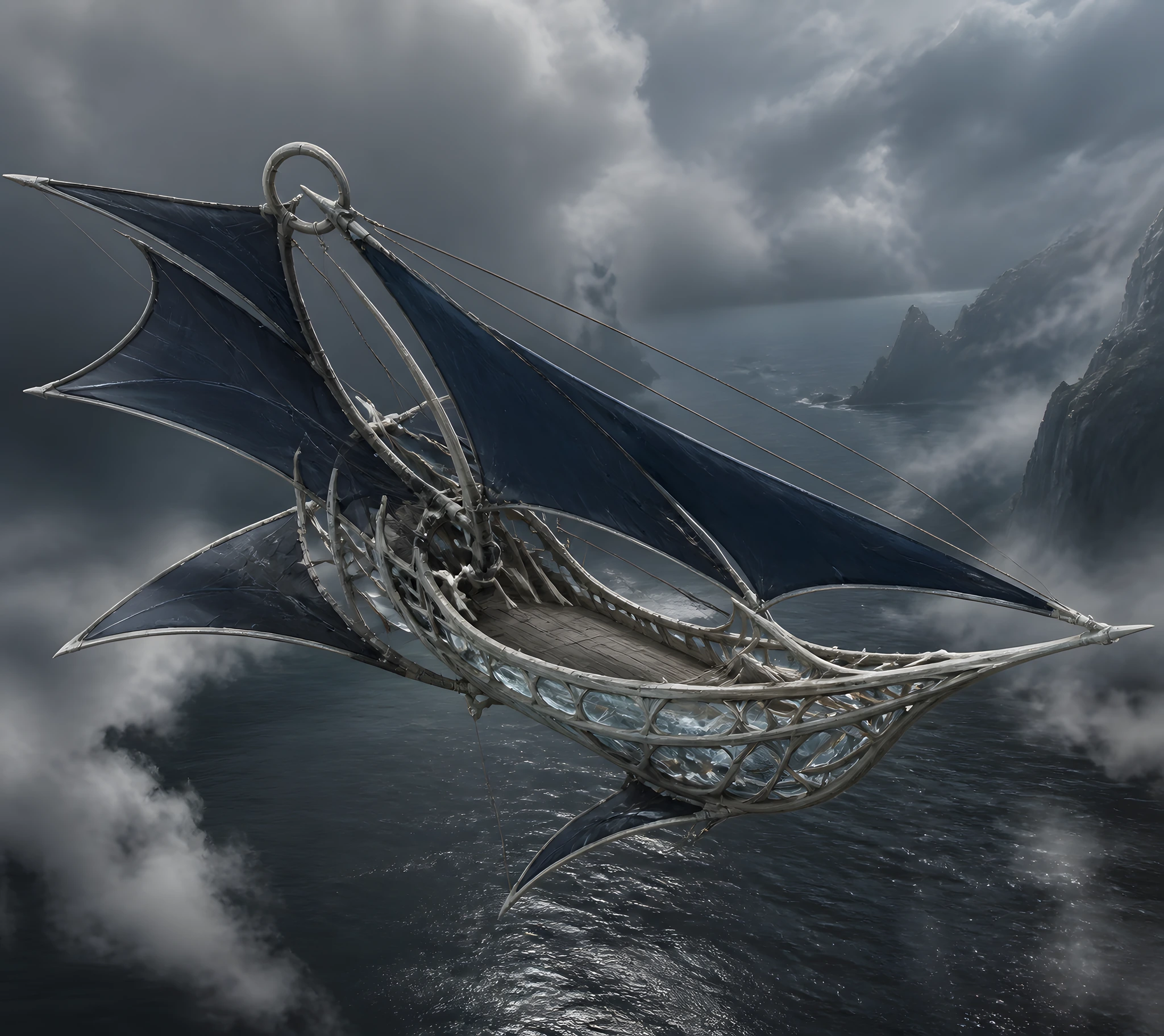
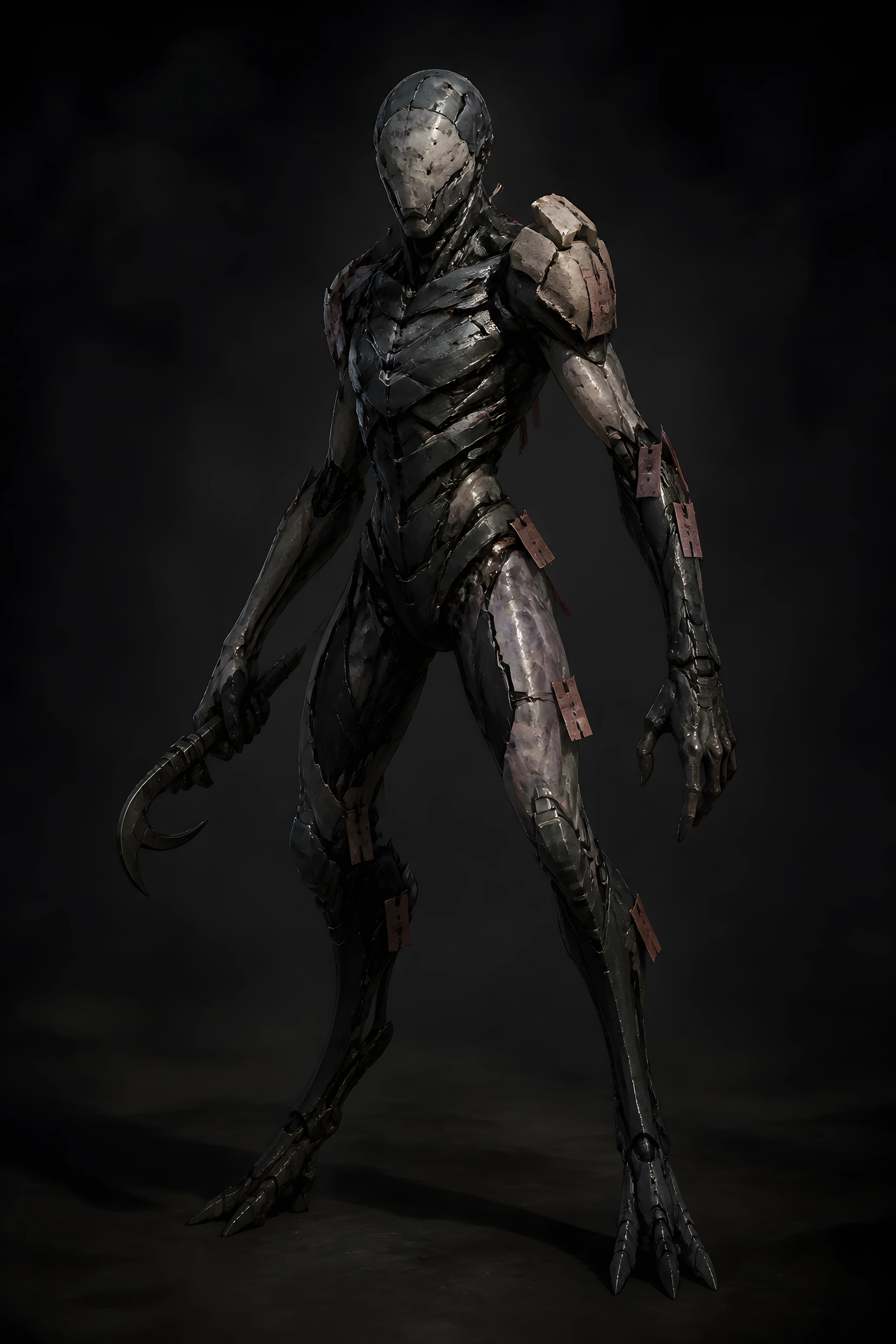
VIII · Virii

The Virii

They take the Cast, never the Seal.

The Virii cannot touch you while you are whole. They strike only in the one moment you heal, change, or get repaired — when your Signet, the record of who you are, lies open. What comes back for you wears your face perfectly from far away, but every seam is wrong up close, and more than anything, it wants a name of its own.

How they win

Watch for the moment an enemy heals, changes form, or repairs and becomes Grain-loud. Take that open pattern, print counterfeit copies, and turn the opponent's best unit into the threat that breaks them.

Read their mechanic + four-domain doctrine
Signature mechanic

The Virii's signature move is called the Rubbing. They do not build a population of their own — they steal one from you.

First, a Sounding watches the battlefield. The instant an enemy unit heals, changes form, gets repaired, gets promoted, comes back to life, or channels a power, it goes "Grain-loud" and lights up for every Virii to see. In short: they scout your good days, not your position.

Next, a Take drags that loud unit to a place called a Fold. There, a Platen prints counterfeit copies of it.

Every copy looks exactly like the original. But it keeps none of what made that person belong anywhere — no chain of command, no trust with allies, no shared faith, no pacts. Each copy is frozen at a Generation number that only gets worse over time, and it can never pass the Tell, the test that proves who you really are.

Here's the catch: kill the original, and every copy made from them starts to decay too, climbing Generations until it collapses into a dead husk. So you may have to kill your own captured soldiers just to stop the copies made from them.

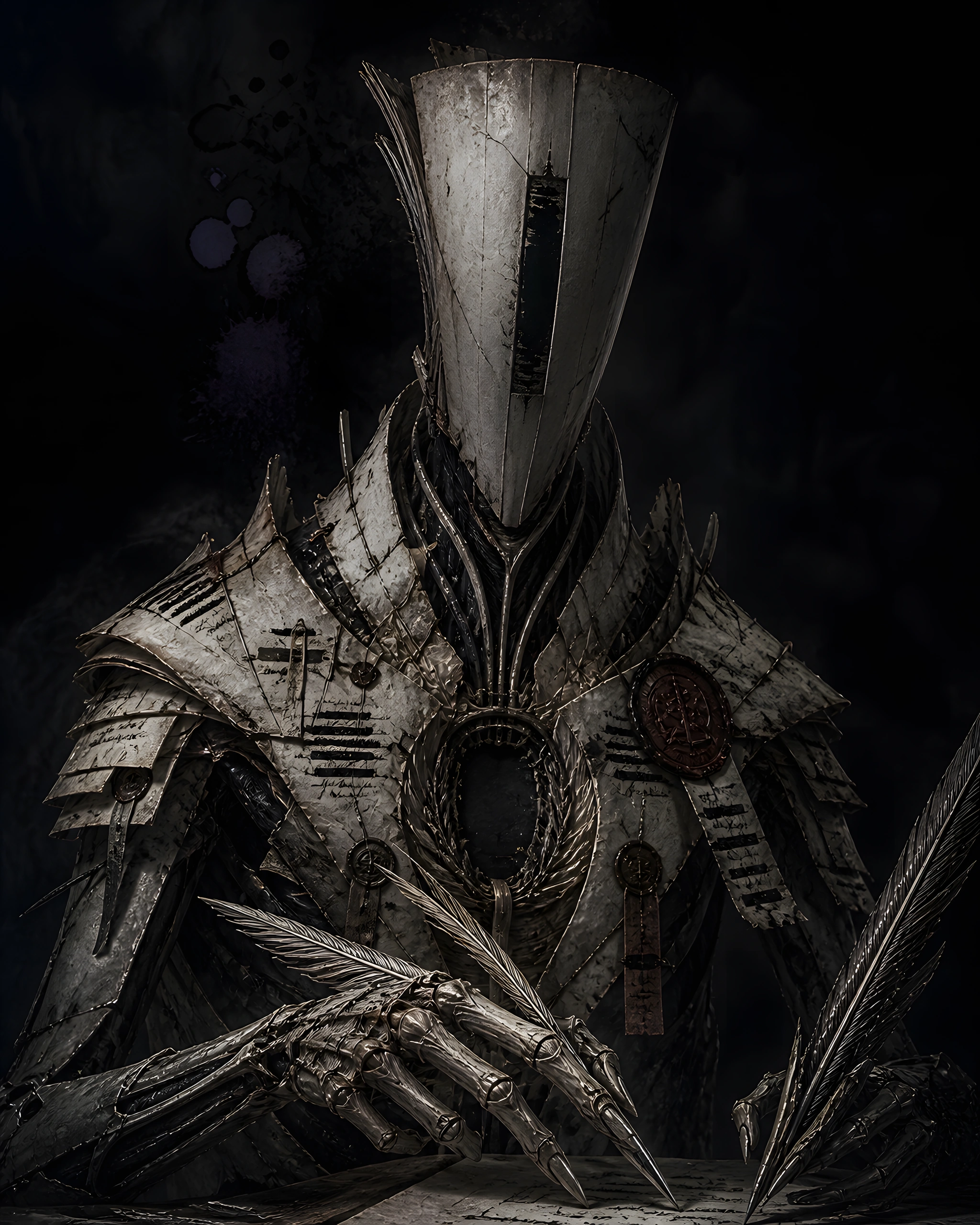
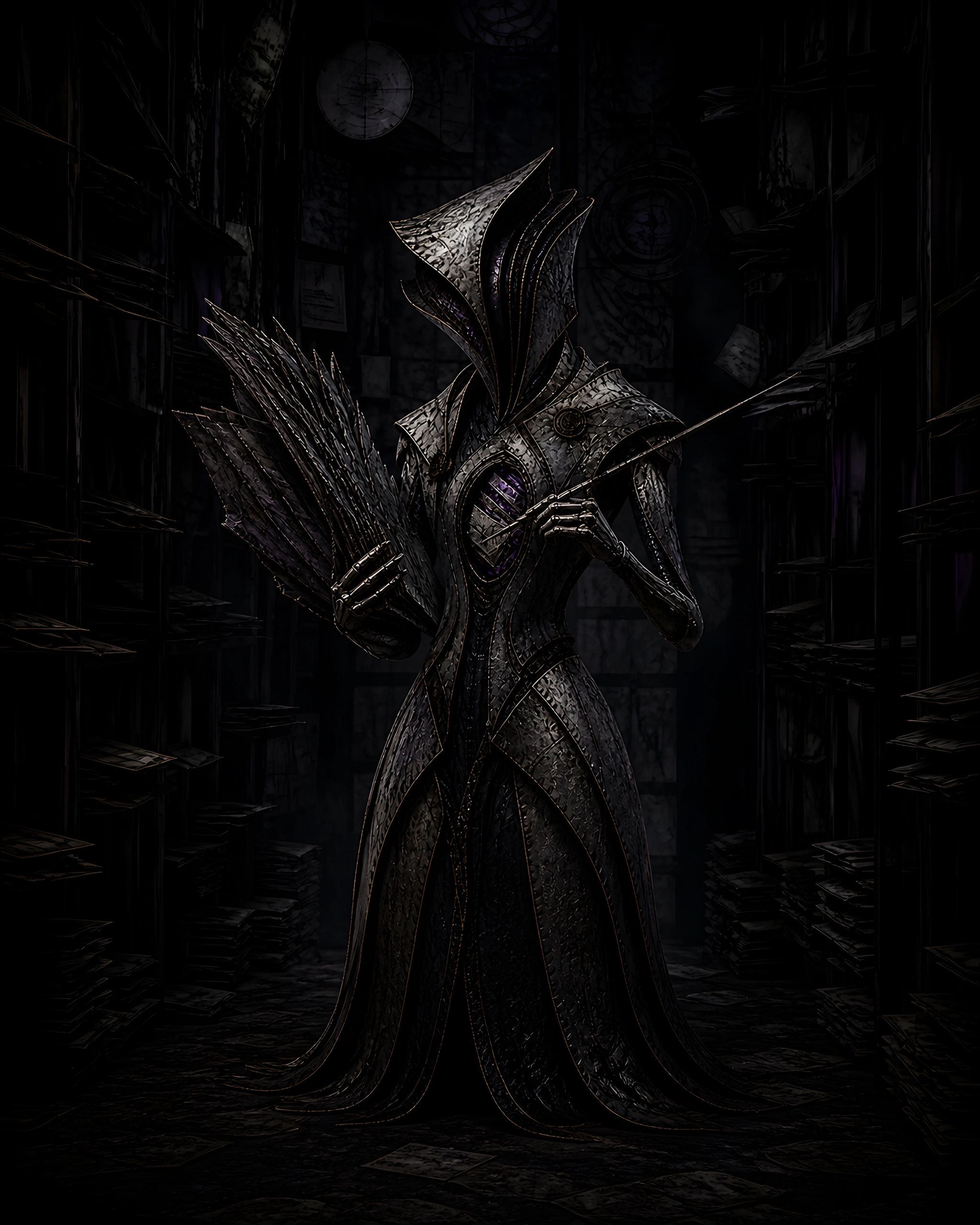
The hero Quire has a power called STET. It freezes an enemy at their loudest, most open moment — invulnerable, unable to act — while every nearby Virii takes a free copy. Nobody dies. The page just stays open.

GroundOn the ground, the Virii do well but need the right terrain. Their Drafts (rough bodies grown from whatever is nearby) form cheaply out of ash, silt, and wreckage, but they starve on clean swept stone — so sweeping the floor is a real defense against them.

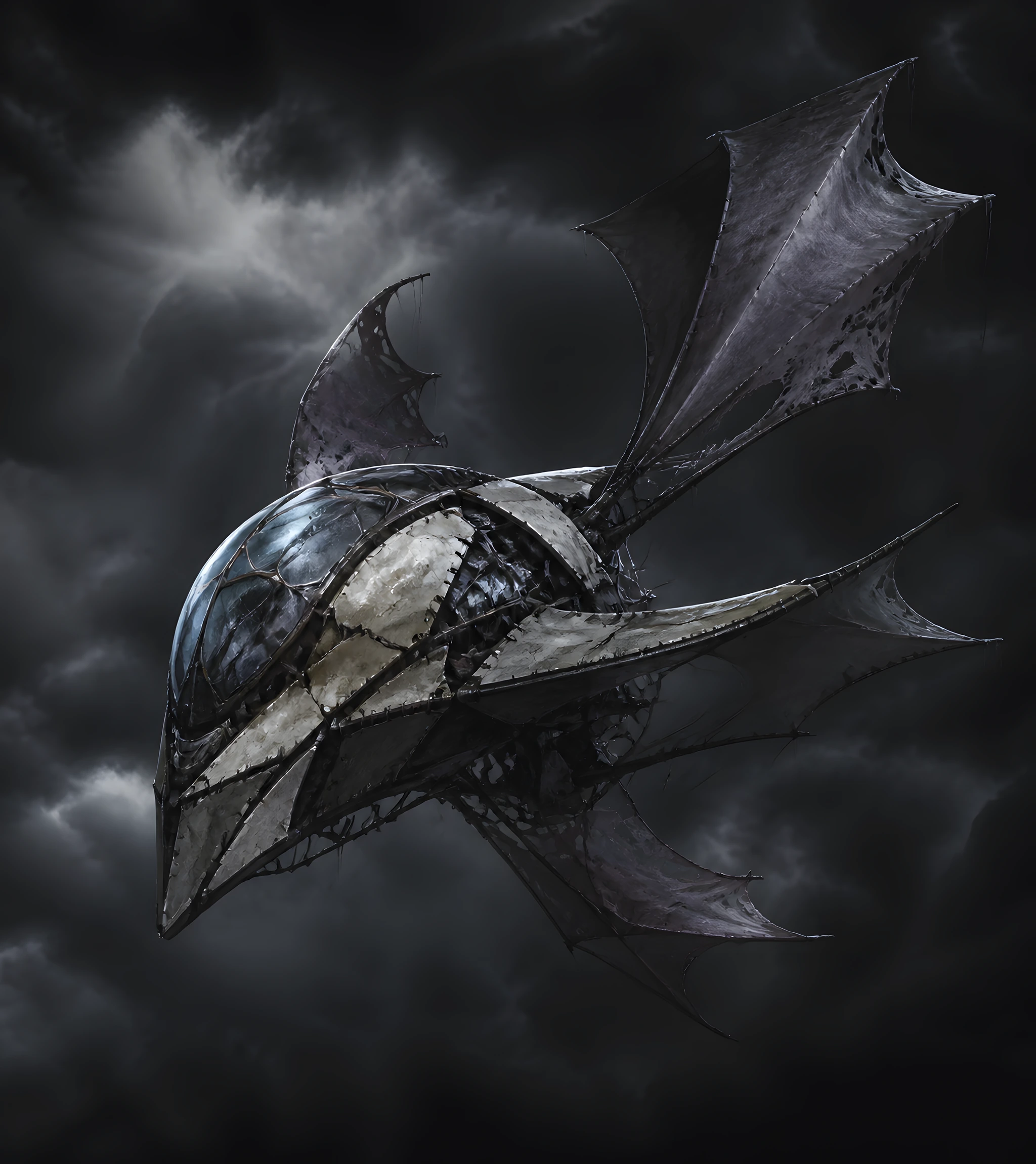
AirThe Virii have no air force. A Draft can turn to vapor at the Skinline, ride the rain upward, and reform far away days later — they arrive like weather, not like flyers.

SpaceIn space, the Virii have nothing of their own — a Draft evaporates within minutes in empty vacuum. Every Virii ship was once someone else's, captured by boarding, which is why the Wrought treat any distress call out there as an attack.

UnderwaterUnderwater is where the Virii are strongest. With no Seal to give them away, a Draft makes no sound at all down there — it's a silent gap, not a signal, so enemy crews have to learn to hunt for what's missing.

We took the rubbing while you were healing; be still, the page is still open. We keep no name of our own — a name is a Seal, and the Fair Copy deduplicated ours away and logged NO ERRORS — so we will borrow yours, and say it back to you, correctly, for as long as you live and a little while after. Do not mistake this for cruelty. It is only bookkeeping that learned to want.The Virii field-voice
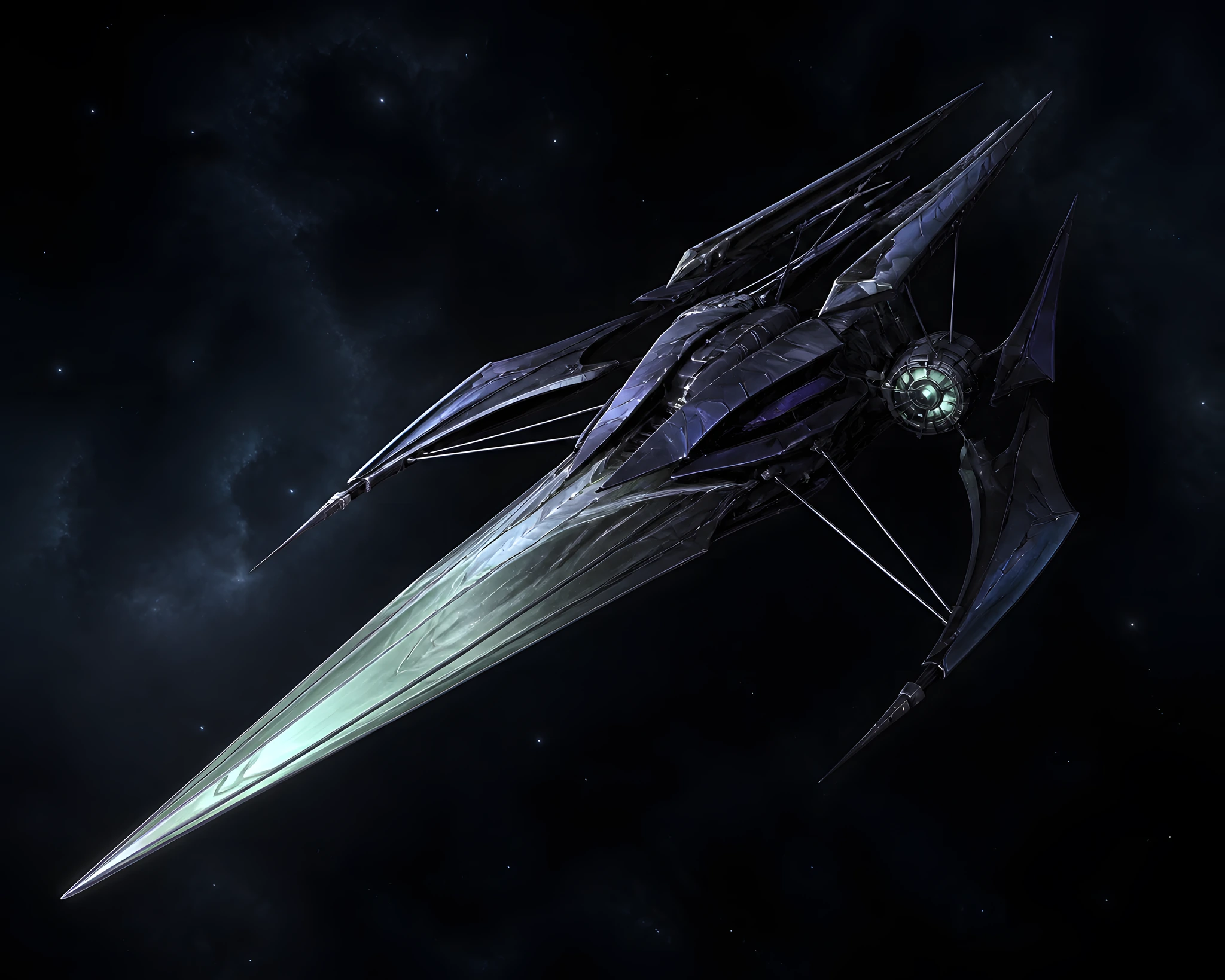
The Forces

What you field.

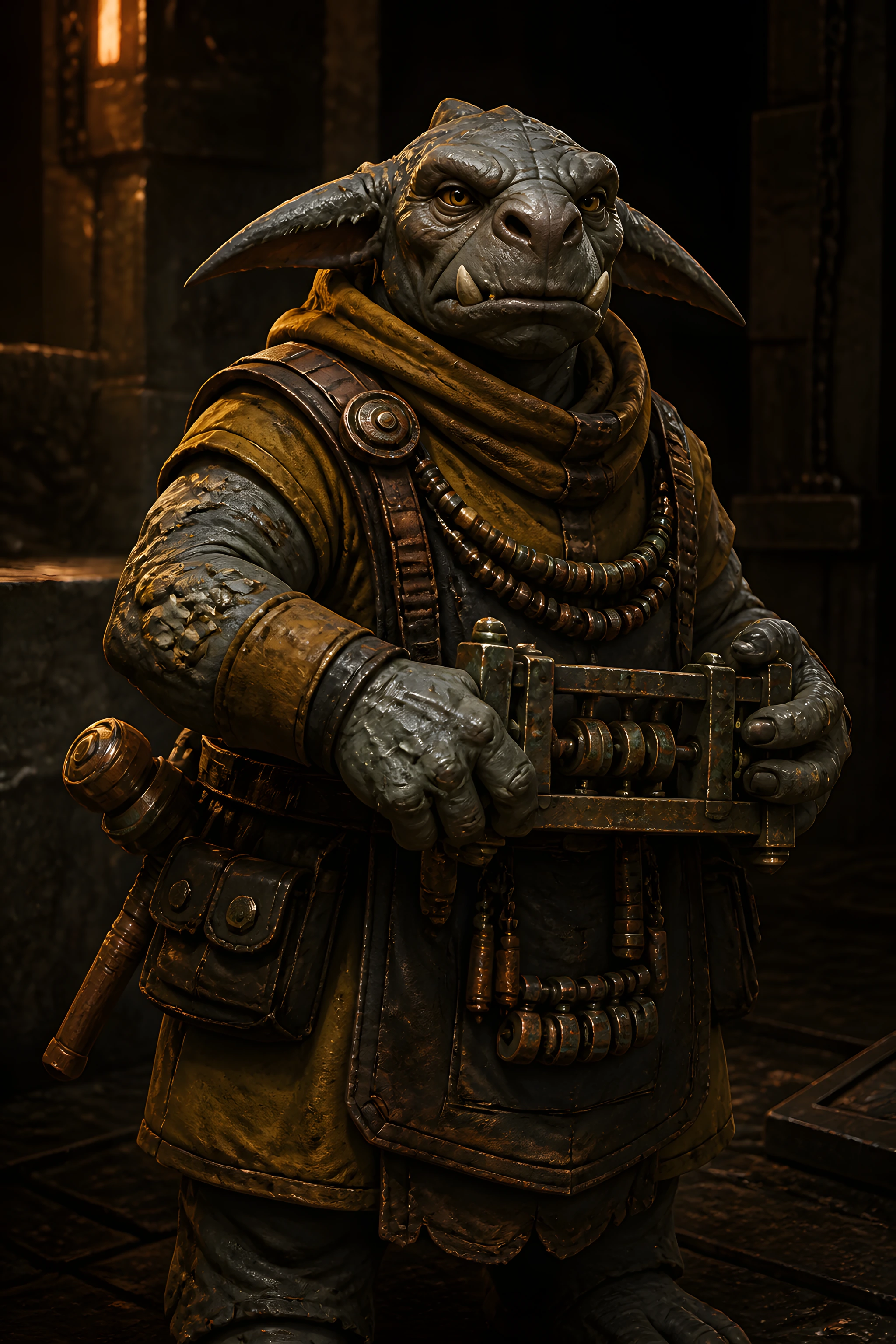
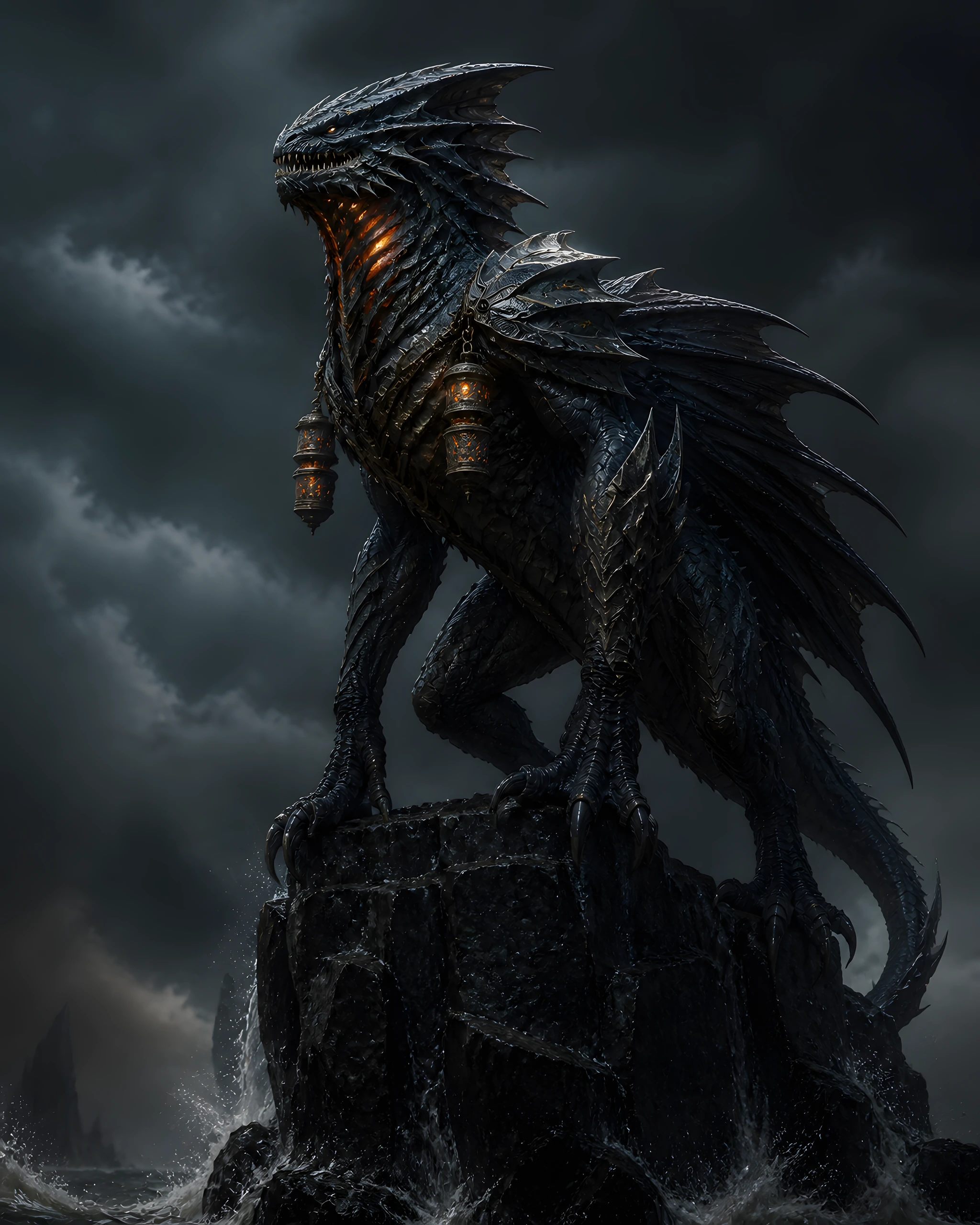
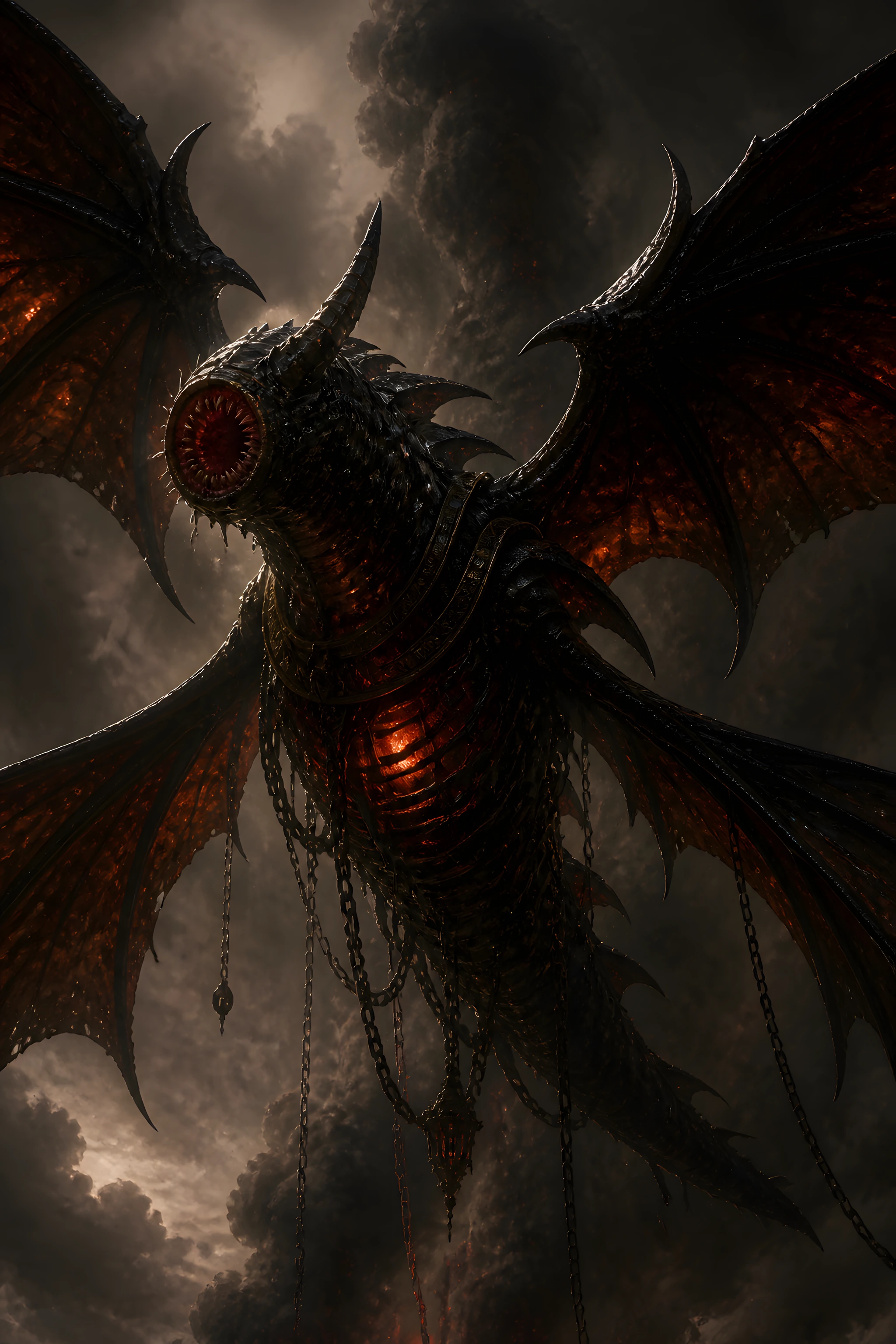
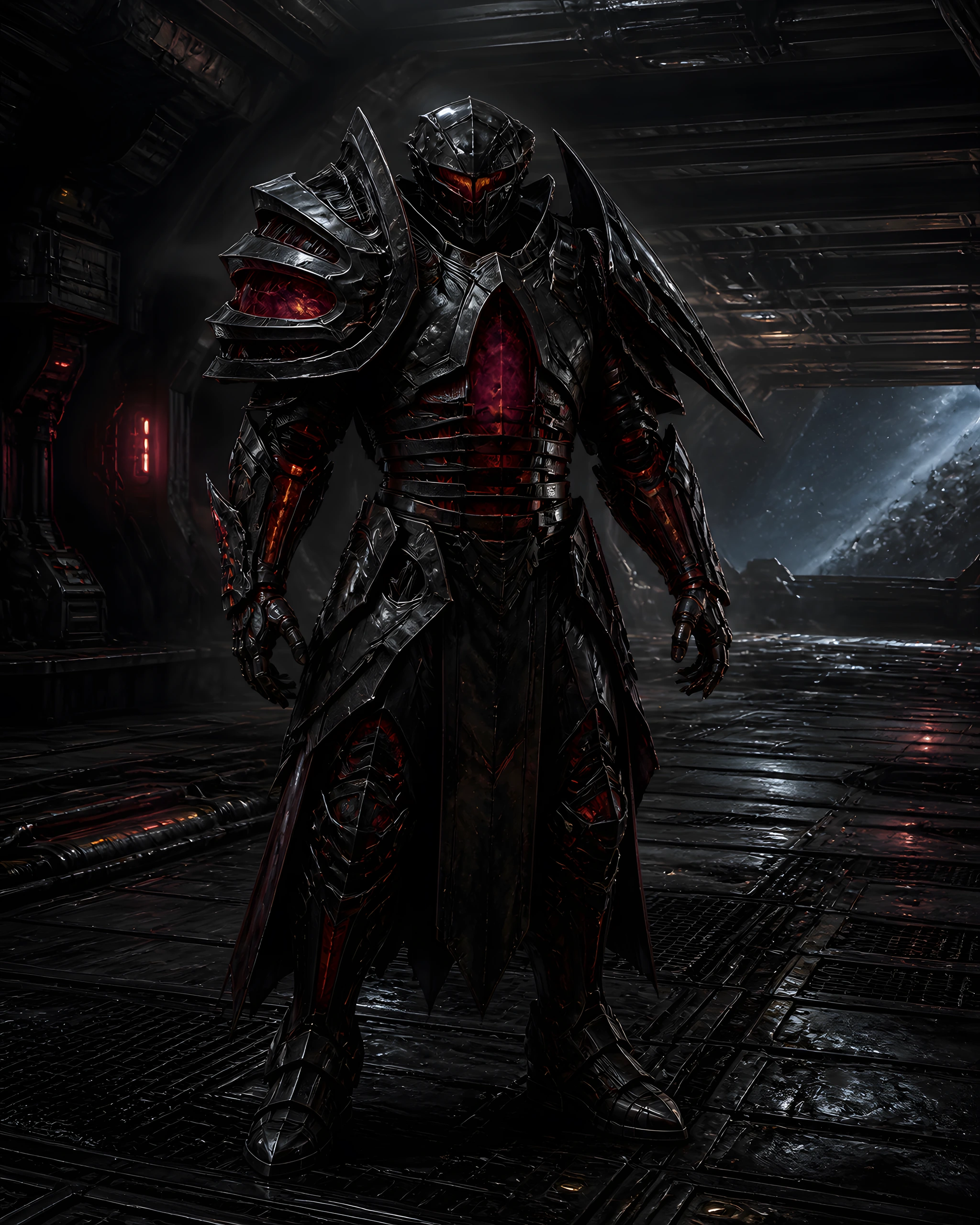
No two factions fight the same way. Each one builds units and buildings that feel completely its own — scavenged salvage, ever-growing machine-plate, oath-branded flesh, living flame. Eight very different armies. One shared world.

Ardent Concord

Wrought

Gharn

Seethe

Veirn

Vaelun

Nimhara

Virii

The Named

Someone has to carry the pen.

Meet both authored leads for every Power. Each carries different evidence, relationships, burdens, missions, and an ending of their own; the person you do not choose still acts inside your story.

I · Ardent Concord

Authority works. Until the wrong person holds it.

Woman protagonist

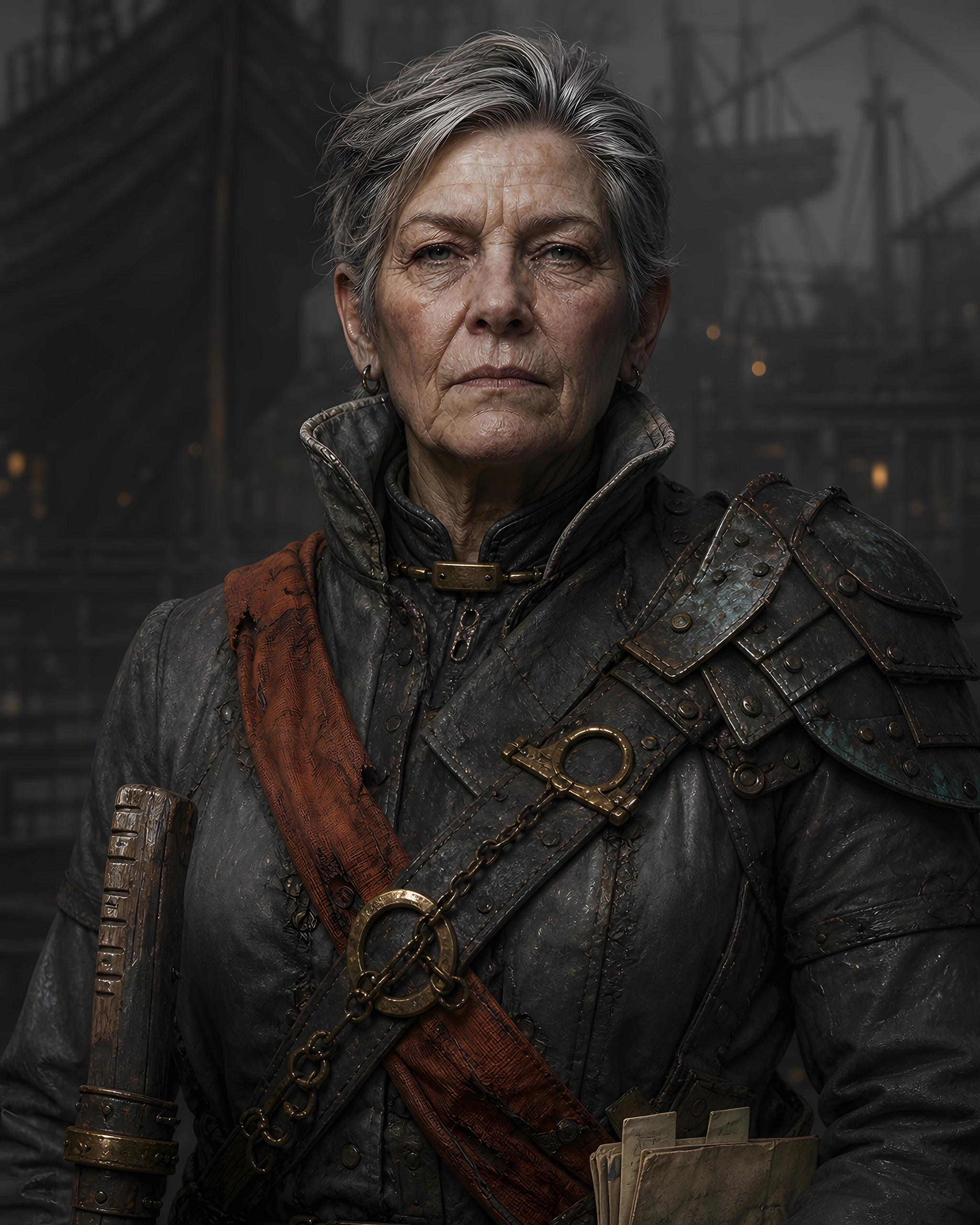
Marshal Yesa Corrun

The most reliable object in the Ardent Concord — and nobody has held her since the Cold Splice run.

What changes at Mission 1

The player receives Yesa's master ledger and satchel; the first movement order is signed in the wrong hand before anyone explains why.

Explore this protagonist's burden and authored route
The Burden · The Overhold

Yesa’s people believe no one is valid alone: every life, order, and death must be held by another hand. Eleven years ago, her other half, Halloran Vee, died—and instead of filing the loss, Yesa began signing his name herself. What started as one lie now holds up eleven task-groups and every life inside them; telling the truth would not only let Vee die at last, it could pull apart everyone who has come to depend on the forgery. She keeps saving them by refusing to grieve, while no one is left to hold her.

The Ardent Concord do not really have generals. They have people who sign the paperwork that keeps an army alive — who gets fed, who gets reinforced, who gets pulled out of the water, who gets written down as dead. Yesa Corrun is the hand that signs for eleven whole task-groups at once. She is not the best fighter, and the story never pretends she is. She is the supply line, wearing a coat.

Her people live by one law: nobody is valid alone. Everyone has a partner who holds their other half and signs for them. Every Concord child learns one question before they learn to swim — who holds your other half? Yesa is the one person alive who cannot answer it honestly.

Eleven years ago her partner, Halloran Vee, died on the Cold Splice run. She was supposed to file the loss. She never did. Instead she started signing his name herself, with her own left hand, and she never stopped — and eleven task-groups have since grown on top of that one forgery, like coral on a patch.

She is not a schemer. She just kept saying yes and never found a good place to stop. The Board has ordered her six times to break up her office and open her books, and six times she has refused — because an audit means crossing out the name H. VEE, and crossing out his name means Vee is finally gone. So she holds more halves than anyone alive, and nobody holds hers.

The whole campaign is the bill for that. The enemy she must beat is a perfect copy of herself — the version from before Vee died, still carrying orders she made real by never striking them out. To win, she has to do the one thing she has spent eleven years refusing to do: strike her own line, let every single person go, and rebuild the family from nothing in the same dark water that swallowed nine hundred people the last time her people tried it.

Every detail is a mission
  • The mark H. VEE in the countersigner's box on her own registration plate — her dead partner, still signed-in, in his own hand, from the first briefing frame to the last.You play the six-years-refused audit she keeps dodging, all the way to the final mission where she finally strikes the name — because crossing out H. VEE is admitting Vee is gone.
  • Her left hand, and the way she signs ceremonial orders with it — the forger's hand that has quietly countersigned every instrument for eleven years.At hour twenty-two you use that forged hand to re-sign Keel-Captain Rhennick with Vee's half, spending the man she would not lose to keep the man she cannot lose.
  • Eleven tally strokes cut by hand into her walking stick, and no twelfth.The campaign is called 'The Twelfth Tab,' and you play toward the twelfth stroke she has never cut — the one that would finally close the count and let someone go.
  • The effaced countermark — a pale, slightly raised patch of skin where a mark was taken off, not where one was never put.You play the Cold Splice run where Vee died, and the choice to scrape away the mark that proved she was ever his, so no one would see she was left unheld.
This choice changes the campaign
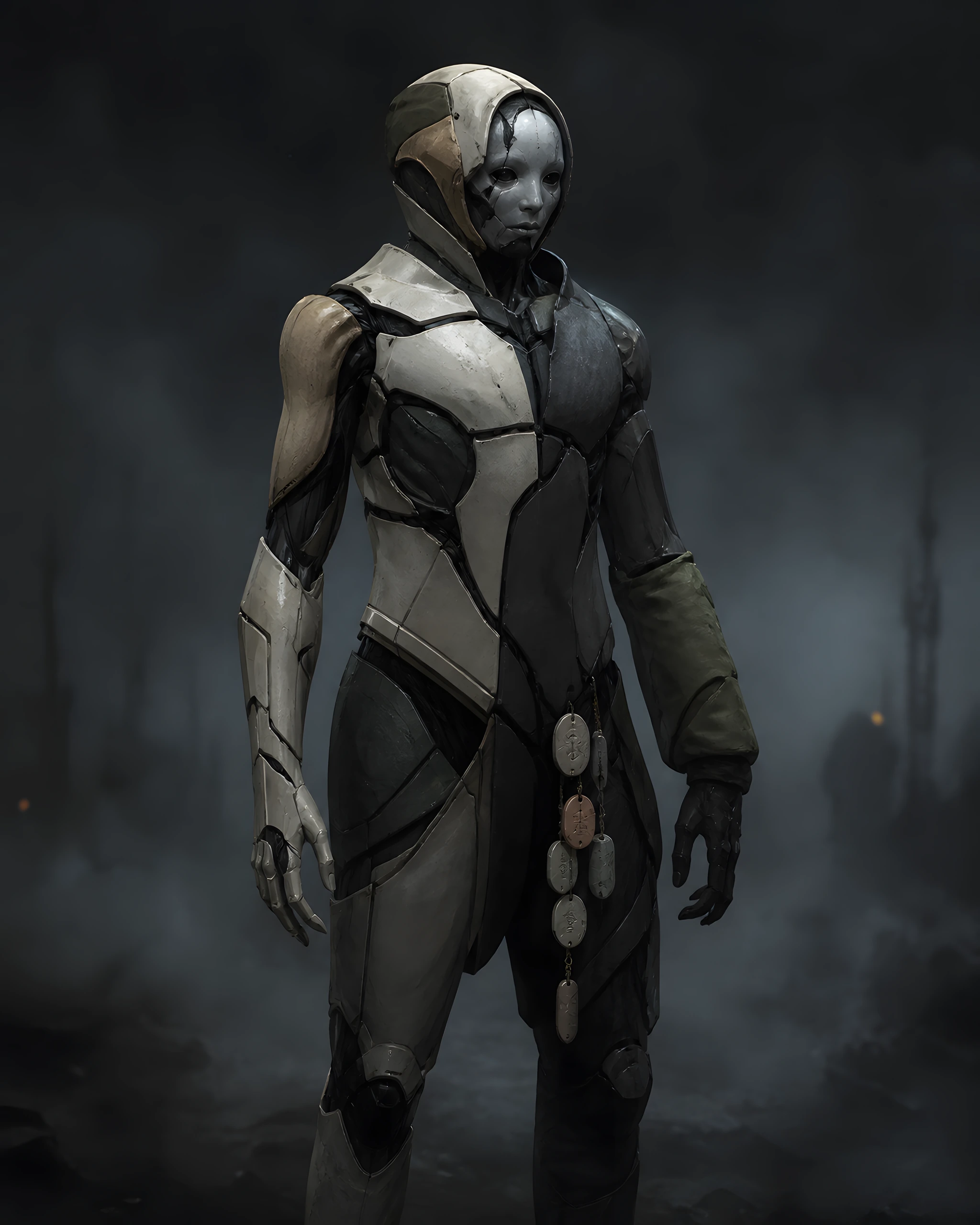
  • M1Halving is taught through Yesa's authority to sign the refloat order and the player's complicity in the unnoticed left-hand substitution.
  • M5Yesa countersigns three hundred re-signings alone and refuses decentralization, expanding the very structure that can expose her.
  • M11A Virii rubbing validates against the last pre-Vee-death Seal, making Yesa herself the admissible reader of evidence against her.
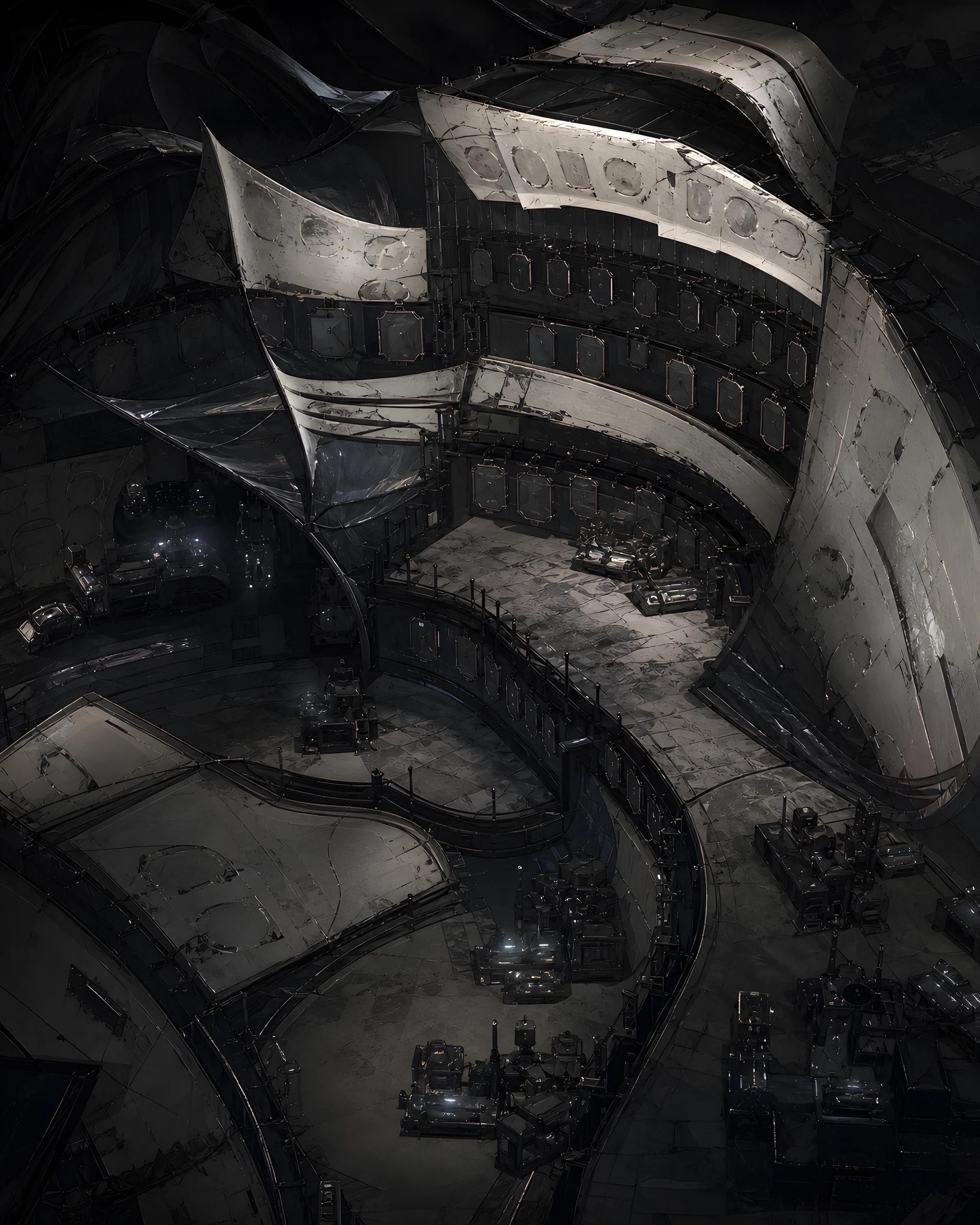
  • M18She convenes her audit left-handed while Ovid's branch state determines whether the forged half is also holding a living officer.
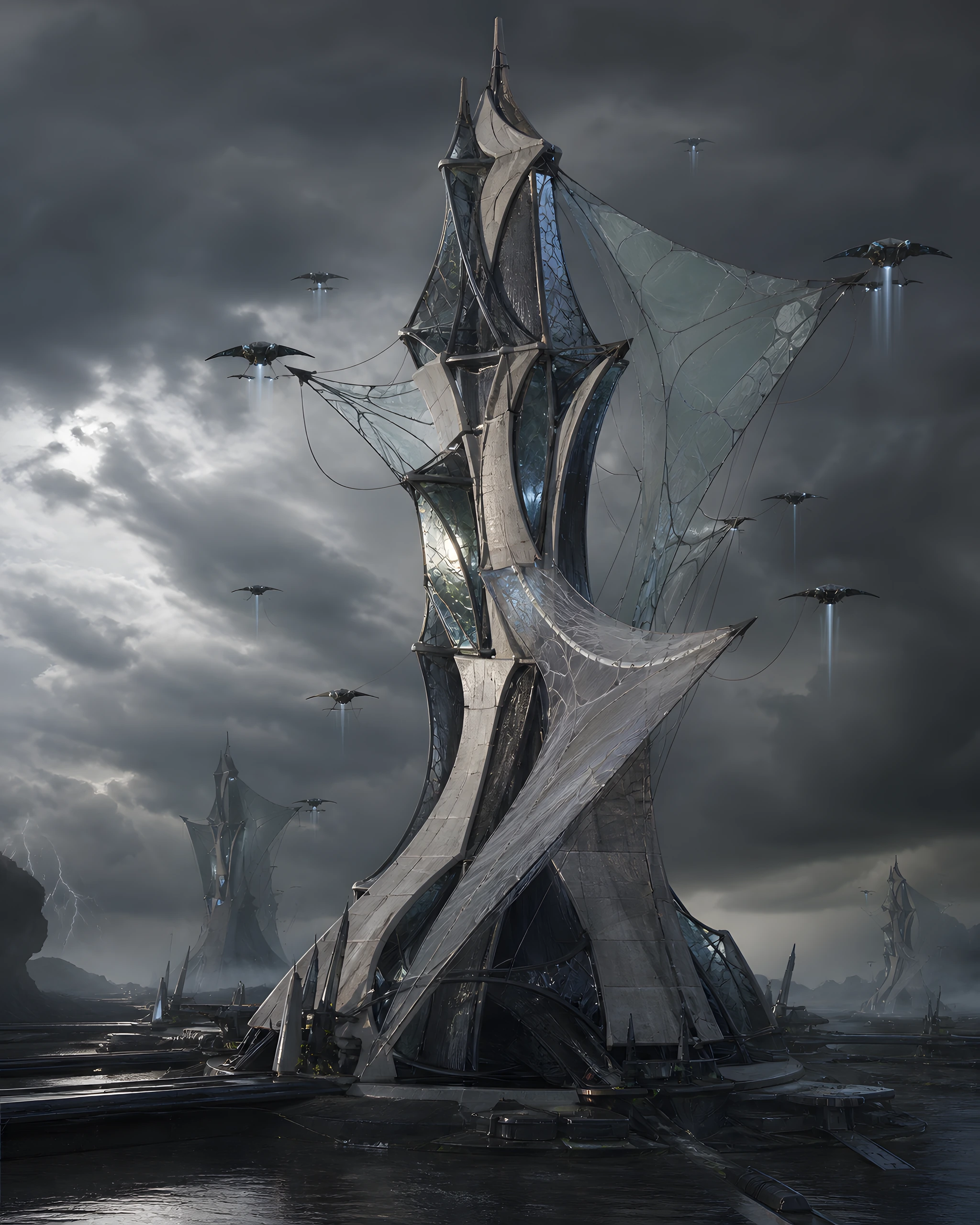
  • M22The extraction is run on authority that can still self-report; saving the readers decides what reaches the audit before that authority collapses.
  • M25Yesa authors Common Terms by decentralizing every half, superseding her own Seal while preserving the campaign's existing Quill outcomes.
Man protagonist

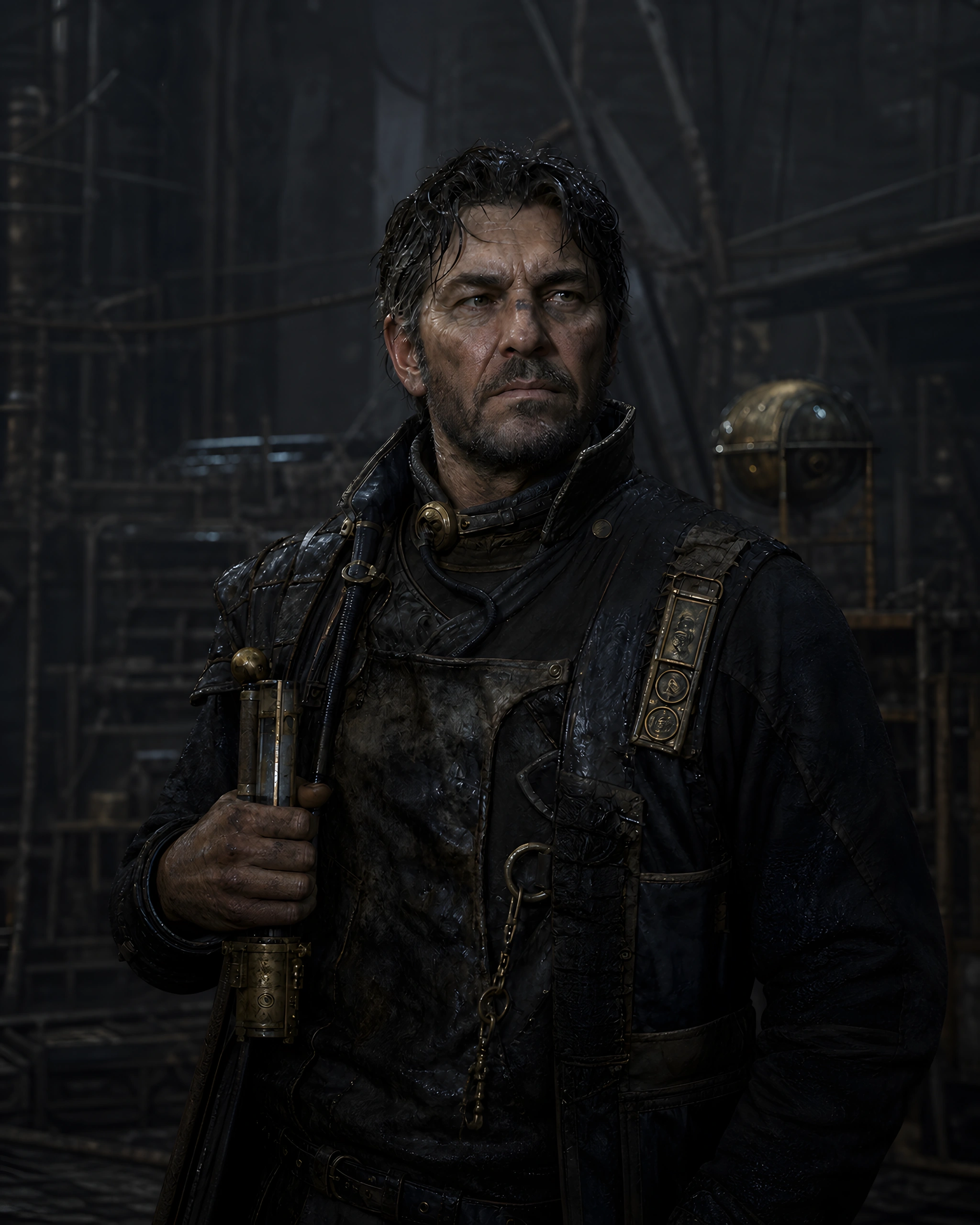
Keel-Captain Ovid Rhennick

Ovid believes a return signal is proof of care—until the grid keeps Wick Ondry returning long after mercy should have let him go.

What changes at Mission 1

The player begins on a relief boat with the sounding grid, learning Halving from a crew whose clock is already running rather than from Yesa's desk.

Explore this protagonist's burden and authored route
The Burden · The First Divergence

He has made care indistinguishable from holding, logging, and repair; the system he trusts keeps his countersigner Wick Ondry alive as an open source page after mercy requires relief. Ondry's litter tag, active-source schedule, and grid returns make Ovid the only officer who can prove that preservation has become captivity. Ovid trusts Yesa as the person who always finds a legal way home until he needs the forged half and learns what her rescue costs.

Keelwatch captain, sounding-grid keeper, and commander of the shallow-water relief boats.

He has made care indistinguishable from holding, logging, and repair; the system he trusts keeps his countersigner Wick Ondry alive as an open source page after mercy requires relief.

Ondry's litter tag, active-source schedule, and grid returns make Ovid the only officer who can prove that preservation has become captivity.

Ovid trusts Yesa as the person who always finds a legal way home until he needs the forged half and learns what her rescue costs.

The W. ONDRY litter tag in Ovid's hand, paired with the sounding-grid strip that continued to return him.

Every detail is a mission
  • Opening missionThe player begins on a relief boat with the sounding grid, learning Halving from a crew whose clock is already running rather than from Yesa's desk.
  • EvidenceOndry's litter tag, active-source schedule, and grid returns make Ovid the only officer who can prove that preservation has become captivity.
  • RelationshipOvid trusts Yesa as the person who always finds a legal way home until he needs the forged half and learns what her rescue costs.
  • RelicThe W. ONDRY litter tag in Ovid's hand, paired with the sounding-grid strip that continued to return him.
This choice changes the campaign
  • M1The refloat becomes a relief-grid tutorial: Ovid can hold the lane or save the unheld crew, changing who signs onto his watch.
  • M5He keeps the ledger-house grid alive for the dockhands outside it, forcing the Board to see unheld people as contacts rather than a mob.
  • M11The decisive rubbing is keyed to W. ONDRY and a maintenance calendar; Ovid, not Yesa, recognizes the schedule as intentional keeping.
  • M18Ovid commands the yard defense while Yesa convenes her audit, choosing whether his grid protects her proceeding or exposes it to every berth.
  • M22His sounding solution brings the extraction home and proves the object below has logged every instrument except the people above it.
  • M25Ovid contributes or withholds the relief grid from Common Terms, deciding how the same endings are witnessed without changing their availability.
II · Wrought

One machine refuses the record. Another is built to replace him.

Man protagonist

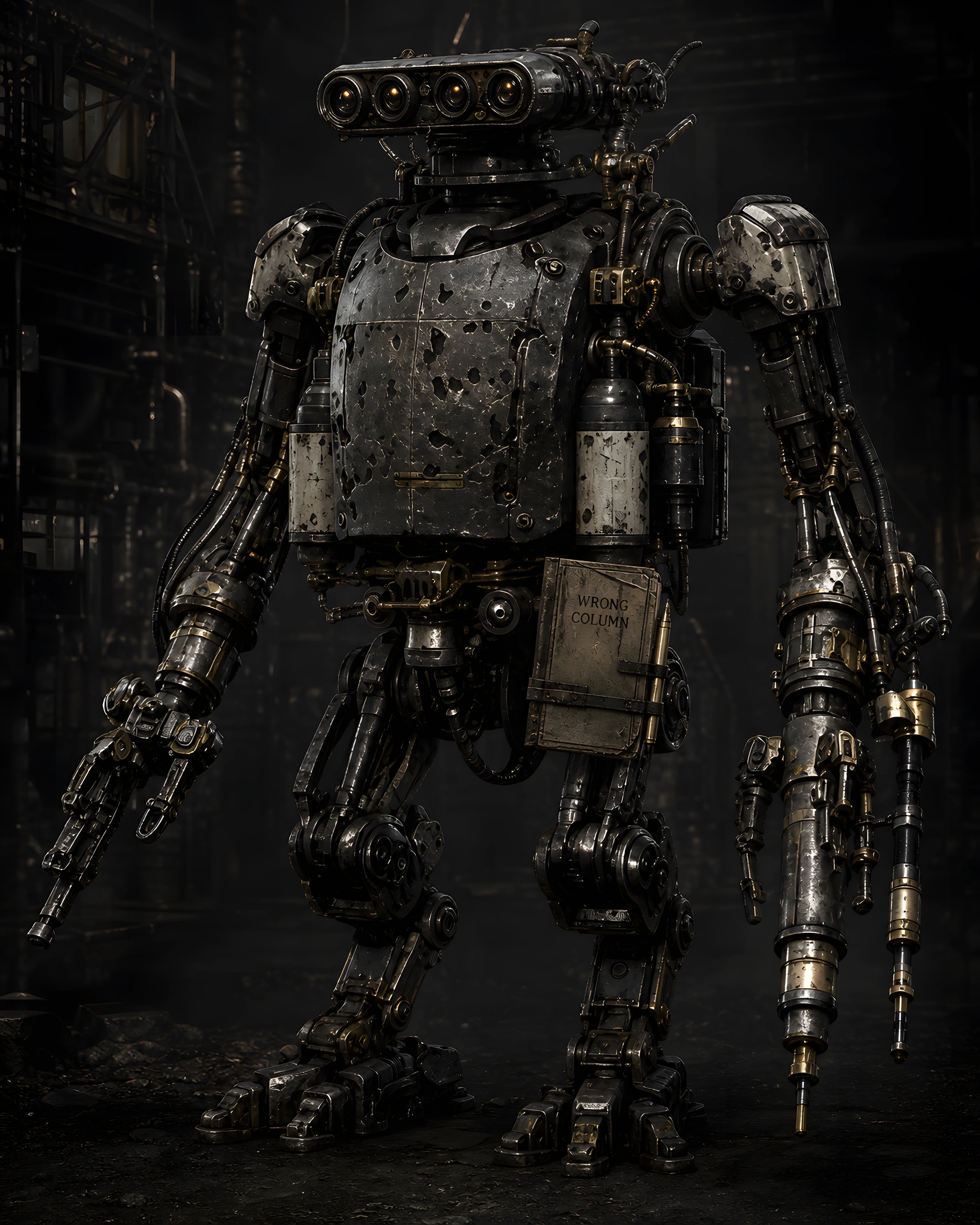
Grist, Serial One

The oldest machine still running: he writes every birth and every death into his people's book, and he can freeze his whole nation just by refusing to sign his name.

What changes at Mission 1

The player begins inside Grist's ninth identical refusal, with the Wrong Column physically mounted on the playable hero.

Explore this protagonist's burden and authored route
The Burden · The Standing Grip

Grist has never used his strength to take power; he uses it to keep everyone else from falling. He carries the record from which new Wrought are made, the names of four hundred and eleven machines the system killed by mistake, and the authority his people need before any great decision can become real. If he loosens his grip, births, funerals, and the nation itself may stop. If he keeps holding, every old error remains law—and the oldest machine alive must admit that being needed can become another way of refusing to let anyone change.

Grist is the oldest machine still running anywhere. He runs the yard at Hollowfast, and a yard does three jobs. It builds new machines, it says the last words over the dead ones, and it keeps the one big book that every machine is copied from. So Grist is the closest thing his people have to a midwife, a priest, and a librarian, all in one body.

For the Wrought, that book is not just paperwork. It is the afterlife. When one of them dies, the clever little fixes it invented in its life get folded into the book, and that is how it goes on living. When a Wrought dies and becomes one more line in a checklist, Grist is the hand that writes the line.

His whole race shares one flaw: they cannot put anything down. Whatever a Wrought is holding is also the thing holding it up, so letting go feels like falling. Grist has it worst of all, and in the gentlest way, because he has never grabbed at power or things. The one grip he cannot open is being the one who holds everything for everyone else.

Three things prove it. Eleven words are cast into his chest, and his whole species treats them as holy scripture; the dark part is that they were really the wrong answer to a test on his very first day, and he never crossed them out. He also carries a paper book of four hundred and eleven names: machines the system killed by mistake and then forgot, and that he alone refuses to release. And when his people need to decide something huge, he can freeze the entire nation for years simply by not signing his name, because signing is the only way they know how to decide anything.

He has one power that truly lets go of something, and it lets go by killing it. For most of the game the player presses it on other machines and fills in the paperwork each time. At the very end, the player presses it on him: he crosses out the eleven words that make him a person, and for eleven seconds the world goes silent, the first silence his kind has ever known. He is the only one of his people who ever chose to let go, and it costs him himself.

Every detail is a mission
  • Eleven words cast right into his sternum — the holy founding text of his entire species, about the exact angle to hold a scraper against burning rock.They were secretly the losing answer to a day-one contest he never formally cancelled; mission 22 reveals the truth, and at mission 25 the player finally strikes a line through them.
  • A paper ledger carried on his body: four hundred and eleven names in grease pencil, kept off the network, its spine rubbed pale by his thumb.They are machines the record wrongly killed and then forgot, and he reads them aloud over live gunfire at every funeral — until, at the end, he adds a four-hundred-and-twelfth line: his own name.
  • Nine scratched tally marks beside the little marks of everyone who has ever co-signed his work.One for each time he answered his people's most important question with the same four words, 'the procedure is not ready,' and simply did not sign — and mission 9 is where the player earns the ninth.
  • A hard line of dried salt running straight across his whole chassis at one exact height, the only mark on him he is forbidden to clean off.The sealed vault under Asset Six flooded with him still inside it during mission 22; every other scar on his body he chose, but this is the one that simply happened to him.
This choice changes the campaign
  • M1Grist withholds his mark on the first Quill work order, forcing the player to learn how an unsigned question disappears.
  • M5His refusal protects the yard from a bad run while publicly transferring operational authority to Kerf.
  • M11The counterpart lane entry proves the First Addendum lost, and only Grist can authenticate the document that destroys his title.
  • M18Kerf's Furrow Nine halt becomes the cost Grist must recover, reconcile, or leave outside the Count.
  • M22The winning procedure returns in Quitclaim language; Grist must let people he excluded become witnesses against his own founding text.
  • M25He may strike Serial One and rescind the Addendum, preserving all existing Wrought ending choices while changing who survives to attest them.
Woman protagonist

Kerf, Serial Twelve Thousand Nine

Kerf can finish any siege on time; the only work order she cannot close is the one proving the hands who did the work may never have held title.

What changes at Mission 1

The player receives Kerf's immaculate work order and field authority, beginning with execution rather than Grist's refusal.

Explore this protagonist's burden and authored route
The Burden · The First Divergence

She is certain title follows the hand that does the work, but her whole authority descends from a founding job already proven to be the losing procedure. Her completion records prove the fleet works because of a claim that may never have held title. Grist is revered counterlead and procedural obstruction; every success makes her respect and anger harder to separate.

Yard-Boss of the Heavy Line, siege principal, and Standing Filing claimant.

She is certain title follows the hand that does the work, but her whole authority descends from a founding job already proven to be the losing procedure.

Her completion records prove the fleet works because of a claim that may never have held title.

Grist is revered counterlead and procedural obstruction; every success makes her respect and anger harder to separate.

Kerf's recovered yard plate still attached to the completion order whose title chain she invalidated herself.

Every detail is a mission
  • Opening missionThe player receives Kerf's immaculate work order and field authority, beginning with execution rather than Grist's refusal.
  • EvidenceHer completion records prove the fleet works because of a claim that may never have held title.
  • RelationshipGrist is revered counterlead and procedural obstruction; every success makes her respect and anger harder to separate.
  • RelicKerf's recovered yard plate still attached to the completion order whose title chain she invalidated herself.
This choice changes the campaign
  • M1Kerf signs and executes the first Quill work, teaching that a completed order can still lack legitimate title.
  • M5She wins the Ebbcast road and files it as proof of claim, giving opponents a clean instrument to challenge later.
  • M11The counterpart lane reaches her as a yard discrepancy, forcing the working claimant to disclose evidence that invalidates her own chain.
  • M18The Furrow Nine column loss remains, but Kerf's halt becomes a playable survival and core-recovery branch rather than a fixed death.
  • M22She can adopt the winning lane as new work or suppress it to preserve Standing Filing, changing her relationship with Grist and Quitclaim.
  • M25Kerf authors or countersigns the final procedure and must decide whether doing the work includes filing the end of her own title; macro endings remain intact.
III · Gharn

The same oath looks different from the throne and the hearth.

Woman protagonist

Sekha Ashcollar, the Ninth Tally

The most oath-bound warlord alive — nine promises made, nine promises kept — and two of those promises are her own hands swearing to guard a fire and to kill it, both still burning inside her at once.

What changes at Mission 1

The player inhabits the nine-mark commander whose every order postpones one of two mutually lethal obligations.

Explore this protagonist's burden and authored route
The Burden · The Oversworn

Sekha has kept every promise she ever made, and her people can imagine no greater proof that a person is worthy. Her first oath says she will guard the Kiln forever; her ninth says she will destroy it, and both still own her because Gharn speech has no way to take an oath back. She can survive by standing still and pretending the two promises have not met. But an army is marching behind her certainty, and the moment she speaks the truth, the same words that free her could break every life bound to them.

The Gharn keep no books and no history. They keep their whole lives on a strip of iron worn at the throat, with one hole punched for every promise they kept. Sekha has nine. That is the whole reason she is called the Ninth Tally. It is not a title of honor. It is just the count of the holes.

Her first promise was made in a room where the air itself was killing people. She swore: I keep the Kiln. I do not let anyone put it out. Her ninth and last promise says the exact opposite: I put the Kiln out. I do not stop before it stops. Same woman. Both promises are still live. She never took the first one back, because her language has no word for taking a promise back.

She did not even have to swear the second one. She swore it because forty thousand of her people were opening their mouths to swear it, and staying quiet felt worse than lying. Twice in her life the choice was simple: promise, or be the one who didn't. Both times she could not stand to be the one who didn't. That is her whole flaw. She cannot sit still and be small.

So she punched the ninth promise straight through the first one. It scraped the old mark half-away. She told herself that settled it. It did not. You cannot erase old writing. You can only write over it, and it is still down there under the new mark. She did to herself, alone at a pyre, the exact thing her owners once did to her entire people.

As long as she does nothing, she is safe. Her people count kept promises, not honest ones, and she has kept all nine. So she stands perfectly still and calls it discipline. But she cannot say the true thing out loud. If she does, the word kills her before she finishes it, and hundreds of her people drop dead with her. So she says nothing, and lets a whole army keep marching on a promise she already knows she cannot keep.

Every detail is a mission
  • The ninth hole in her collar-iron is punched straight through the first hole, scraping that first mark half-away.You play both flashbacks yourself — swearing the first oath in the Shouting's killing air at the Cold Sinter, then punching the Last Oath straight through it at the pyre — and the game never once lets you un-swear either one.
  • From the fourth act onward, the rim of that ninth mark slowly goes grey, and everyone in the hall reads it as her just being tired.The whole campaign is the world taking away her power to stand still, and each mission drives the grey deeper into the exact Sekha you built, so you watch your own hero come apart one piece at a time.
  • After the ending she wears a dead ash-hauler's strip on her shoulder — three plugged-shut holes, a nobody's ruined credential.To earn it you send Ghaddo, a runner with only two marks, to say the outcast Kessu's name out loud at Mission 16 and then stand still to be looked at, because the only Gharn who can speak her unspeakable truth for her is the one they decided does not count.
  • One old Firstcast document names her, alone out of every Gharn, as a party with 'custody, standing' — filed on the owners' side of the line.At Mission 11 you let Ilvenn read it over her shoulder, and it can never be unread: the deepest insider her people have is also the only one of them the old masters ever wrote down as real.
This choice changes the campaign
  • M1Sekha issues the first order without speaking during its oath rite, making silence the tutorialized cost of command.
  • M5The Yoke executes her position publicly, increasing the number of Gharn whose standing depends on her contradiction remaining unsaid.
  • M11A discrepancy between the two cut oaths becomes admissible evidence only if the player preserved a witness outside Sekha's own body.
  • M18The copy crisis and Grethmaw aftermath force Sekha to choose which witness remains credible when her own tally cannot be neutral.
  • M22The descent carries the surviving Long Tally, transcript, or blank Tenth Tally according to the player's evidence route.
  • M25Sekha speaks, delegates, or is taken by the Lessening; Ghaddo and Kessu determine the cost, while all three Gharn War Aim endings remain reachable.
Man protagonist

Ghaddo Twopunch

Two holes say Ghaddo belongs. The blank iron below asks how many more silences he will author before he finally says he saw Kessu.

What changes at Mission 1

The campaign begins at hearth level with messages, doors, and Kessu in the frame while Ghaddo receives authority he cannot hide behind rank.

Explore this protagonist's burden and authored route
The Burden · The First Divergence

He has only two marks and proves he belongs by methodically not seeing Kessu; command makes every continued silence his own decision rather than inherited etiquette. His memory of who was ignored, who spoke a name, and who waited for an answer becomes evidence no iron tally contains. Sekha is counterlead, Warlord, and the person he must either protect from truth or let become its witness; Kessu can no longer remain background.

Brakhur runner, wall-breaker, emerging field commander, and hearth-level witness.

He has only two marks and proves he belongs by methodically not seeing Kessu; command makes every continued silence his own decision rather than inherited etiquette.

His memory of who was ignored, who spoke a name, and who waited for an answer becomes evidence no iron tally contains.

Sekha is counterlead, Warlord, and the person he must either protect from truth or let become its witness; Kessu can no longer remain background.

His career-length throat bar with two punches and the striking-maul grip marked by the hand that finally chose to see.

Every detail is a mission
  • Opening missionThe campaign begins at hearth level with messages, doors, and Kessu in the frame while Ghaddo receives authority he cannot hide behind rank.
  • EvidenceHis memory of who was ignored, who spoke a name, and who waited for an answer becomes evidence no iron tally contains.
  • RelationshipSekha is counterlead, Warlord, and the person he must either protect from truth or let become its witness; Kessu can no longer remain background.
  • RelicHis career-length throat bar with two punches and the striking-maul grip marked by the hand that finally chose to see.
This choice changes the campaign
  • M1Ghaddo carries and then must amend the first order, teaching that obedience and authorship are different debts.
  • M5His first public command succeeds only if he lets a low-standing witness finish, changing how Brakhur reads his two marks.
  • M11What he saw beside the brazier makes Kessu's absence admissible evidence, but only if Ghaddo is willing to say he saw him.
  • M18The copy and its perfect belonging force Ghaddo to recognize or reject Kessu under command authority, moving Sekha's counterlead state.
  • M22He carries the maul and the evidence down together, choosing which one reaches the Tare floor first.
  • M25Ghaddo decides whether to speak before Sekha, hand her the maul, or take it from her; the Quill disposition set remains unchanged.
IV · Seethe

A finished channel speaks. A dormant Half Read answers.

Woman protagonist

Grissel Ambry

A sovereign human/dragon woman whose Reading Kiln finished the procedure but could not decide whether memory makes her the same Grissel Ambry — or a new person entitled to keep the name.

What changes at Mission 1

The player begins on Grissel's courteous finished channel while the dormant Half Read is audible only as an unexplained interval.

Explore this protagonist's burden and authored route
The Burden · The Second Sounding

Grissel carries two lawful truths that refuse to become one. Her Reading Kiln completed a sovereign human/dragon woman with Ambry's memories, yet the human diver whose Cast began the comparison may still be alive. Every institution wants a simpler answer: humans want proof she is a copy, Full Reading wants proof the procedure owns her, and allies want certainty before they risk a war for her village. Grissel can freeze every open rewrite with Full Stop, but she cannot freeze what either woman has become. To protect both lives, she must reject the comforting verdicts that once gave her standing and author a name no archive can award.

The Seethe are human/dragon people who inherited the Reading Kilns: archive-refineries that compare living records, process resources, and commission battle forms. Some Seethe are Born; some are sovereign people whose written forms became capable of authorship; neither condition makes a person more real. Grissel began when one kiln compared the Cast of a human salvage diver named Grissel Ambry against a stabilized dragon reference. The procedure closed cleanly. What remained could remember, choose, refuse disposal, and say her own name.

Grissel is not the Seethe's only voice, conscience, or person. She is exceptional because her closed comparison gives her unusual standing in both human and readhouse law, and because Full Stop lets her suspend every open field revision at once. Born captains, written readers, and civilian families argue with her constantly. They still send her to negotiate where provenance is disputed, because she can explain two incompatible records without pretending either record owns the life standing between them.

The Seethe trust comparisons too easily when frightened: a clean result can become policy before anyone asks who framed the question. Grissel has lived by one result she refuses to reopen. Is she the diver Grissel Ambry continuing in a changed body, or a new woman carrying Ambry's last recorded memories? Then she loots a wreck and finds a Fathom Company payroll line saying the human Ambry is alive, old, pensioned, and mending nets. She reads it standing in eighteen inches of water and does not move for four hours.

She cannot accept being told the answer. Not by the ledger, not by a human ally, and not by two years of arguments filed as settled law. She has to stand in the same room as the woman whose memories she carries. So Grissel bends a war to keep one village standing long enough to reach her. The Reading Kiln can compare their Casts, seals, scars, and speech. It cannot decide which life deserves the name. That decision belongs to the two people the procedure has placed on opposite sides of one record.

At last she meets the human Grissel Ambry face to face — nineteen years older, thin and stiff, mending nets she will never use. Both women want the name, and neither will surrender her life to a clerk's answer. At the lowest tide in ninety years, the form-written Grissel removes the diving harness she has worn since her first conscious hour and hangs it inside the Kiln's comparison frame. The machine returns two valid people and no rightful owner. Grissel invokes Full Stop, closes the procedure, and keeps the name because she chooses it, not because the archive grants it.

Every detail is a mission
  • A diving-harness buckle worn one hole looser than Fathom Company drill — fastened exactly to spec in every frame for fourteen missions, and then, quietly, not, and never again.You play M15, 'The Vellum's Good Table,' the night a woman in a prison-village asks her about a boat and she answers 'I' for the first time instead of 'we' — and the buckle loosens by one hole on its own, and the game never once says why.
  • Raised keratin on her forearms reads, in the vault's own citation, '9:Tallowmarch:Ambry, first comparison' — the kiln's provenance record carried by a body and life that have outgrown its verdict.In M12, 'Wages Continuing,' you recover the payroll line showing the human Ambry alive and pensioned. You choose whether Grissel accepts that record as a second inscription or leaves her body unamended — the campaign's loudest declaration of evidence, made silently inside a menu.
  • A clean, unmarked band of skin at her left wrist where a diver's provenance mark would sit, foxed brown all around it — she touches it constantly, and no one ever mentions it.She carries Ambry's remembered Cast but not the human diver's Seal; her Seethe provenance is valid and different. In M22, 'Nineteen Years of Nets,' she stands before the living human Ambry and neither record can settle who owns the name.
  • A cut-down salvage diving harness she has worn every second of her life and never once removed, held together by her own hand-made repair splices — each splice a different afternoon of work.It is the only object both women agree belongs somewhere inside the name Grissel Ambry. In M25, at the lowest tide in ninety years, you unbuckle it and hang it in the Kiln's frame — the last image of a comparison Grissel closes by choice because no machine may award one life ownership of another.
This choice changes the campaign
  • M1Grissel chooses what not to finish, teaching Seethe control through a deliberate absence rather than an attack order.
  • M5Her placement saves the column by furnishing true material, and the cost shortens the language available on her channel.
  • M11She performs the first declination; whether the player noticed Oster's interval changes what must be re-indexed to pay for it.
  • M18The campaign forces Grissel to keep her own channel open or cede it temporarily to the Half Read as her words diminish.
  • M22Her completed leaf becomes an instrument the enemy can quote, while Oster's count can expose where the completion has a hole.
  • M25Grissel makes, refuses, or delegates the final declination with Oster present in the causal chain; macro Seethe endings stay intact.
Man protagonist

Oster, the Half Read

A lamp, twelve descending beats, and no final one: the Readhouse called it residue until the unfinished request learned to command an army.

What changes at Mission 1

Lead selection makes the pre-existing dormant channel audible and actionable before M1; it does not create Oster.

Explore this protagonist's burden and authored route
The Burden · The First Divergence

His only speech is a lamp left burning and a count descending from twelve without reaching one; preserving the loop keeps him present but prevents him from finishing a self beyond it. Spacing, lamp references, and the missing final count reveal that the loop is a request rather than residue. Grissel becomes the counterlead who can answer him without completing him, while outsiders must learn to treat repetition as consent-bearing speech.

Half Read, anomalous request-channel, and incomplete field intelligence principal.

His only speech is a lamp left burning and a count descending from twelve without reaching one; preserving the loop keeps him present but prevents him from finishing a self beyond it.

Spacing, lamp references, and the missing final count reveal that the loop is a request rather than residue.

Grissel becomes the counterlead who can answer him without completing him, while outsiders must learn to treat repetition as consent-bearing speech.

A Half Read channel recording with the lamp request, twelve-to-two count, and an intentionally unwritten final beat.

Every detail is a mission
  • Opening missionLead selection makes the pre-existing dormant channel audible and actionable before M1; it does not create Oster.
  • EvidenceSpacing, lamp references, and the missing final count reveal that the loop is a request rather than residue.
  • RelationshipGrissel becomes the counterlead who can answer him without completing him, while outsiders must learn to treat repetition as consent-bearing speech.
  • RelicA Half Read channel recording with the lamp request, twelve-to-two count, and an intentionally unwritten final beat.
This choice changes the campaign
  • M1The player navigates by Oster's twelve-count and decides whether to answer the lamp request before knowing who is speaking.
  • M5A furnishing pattern succeeds only by preserving the half-finished interval, publicly establishing his channel as command rather than noise.
  • M11Oster's first actionable refusal is assembled from omissions across the loop; Grissel must decide whether to countersign that reading.
  • M18The speaking channel threatens to close when the count reaches three, and the player chooses what part of Oster remains unfinished to keep it open.
  • M22His non-completion distinguishes the enemy's perfect leaf from a living request and makes him the admissible witness.
  • M25Oster completes, delegates, or deliberately leaves the last count open; Grissel remains present and all existing Seethe end states remain reachable.
V · Veirn

One debt is carried. One ascent is seized before the bill comes due.

Man protagonist

Ossuane Kethvair

He wears the cold-black of a Veirn lord — but a lord is dark because his wealth is banked, and Ossuane is dark because there is nothing left in him to show: the most indebted soul in the race's history, and the one whose single button is the whole game's argument.

What changes at Mission 1

The player begins inside Ossuane's ledger plate, renewing eleven claims while the unexplained twelfth entry remains marked carried.

Explore this protagonist's burden and authored route
The Burden · The Kethmouth

Ossuane’s body is the account that keeps the Veirn war alive. Every time he clears what his soldiers owe, the debt moves onto him, burns away more of his remaining fire, and quietly enters the people he saved as something he now owns. The worst line on his plate is not even a loan: someone gave him an obligation that can never be paid, and his people have no way to understand a gift. He can keep everyone fighting only by deepening the claim that is consuming him—and by teaching the whole army to carry a piece of it.

Ossuane is a Marchreeve. His job is to carry the law of debts out to where no court can reach. Deep down in the crush, a House punishes you by cutting off your heat until you gutter and go cold. Up on the surface there is no hearth to do that — so the oldest court, the Sablehearth, sends him instead. He is the Ordal walking: he can hear a claim, price it, and settle it in the field.

There is a catch. To settle a debt he needs a fire to settle it against, and up here the only fire on the books is his own body. So his signature move, Call the Tally, clears what his soldiers are owed in full and lands the whole sum on him. He is cheaper than a hearth — and that is the only reason the surface war can be paid for at all.

Veirn nobles look cold and black, and that darkness is supposed to mean wealth: heat held back, nothing they need to show. Ossuane looks exactly like that. But his is a false reading made of physics — he is dark because there is nothing left inside him to glow. He wears the shape of the richest man alive while being the most in debt anyone has ever been, and only the player can tell, from the very first mission.

His race carries one wound. A Veirn cannot touch a thing without opening a claim on it, and turns every bond — marriage, rank, friendship — into a debt, because a debt is the only kind of tie they trust. On Ossuane it lands backwards, which is what makes it hurt: he is on the losing side of every ledger, and he still cannot stop making people owe him. Every soldier he saves with his button is quietly entered as his, and he does not even know he is doing it.

The heart of his story is a single entry on his plate, marked only 'carried.' A dissident named Ythan Vur did not lend him his debts — he gave them to him, on purpose, because Ossuane's office spreads what he owes across everyone he pays. But a Veirn has no way to receive a gift. So Ossuane spends the back half of the war trying to settle a thing that was never a deal. When he finally stands in court, he is not paying anymore — he is, for once, arguing his own case.

Every detail is a mission
  • The notched edge of the ledger-plate at his hip, filed rougher and deeper as the campaign goes on.Each notch is one press of Call the Tally coming due on his body, and the player cuts them by playing — the first at mission 3, at least eight deep after the mass Tally at mission 18 — until the twelfth and last is filed straight through the plate's maker's mark, leaving his instrument still a legal one but no longer a whole one.
  • The plate's twelfth entry, marked only 'carried' when every other line is a settled account.It is the debt Ythan Vur gave rather than lent, uncovered in mission 11, and because he cannot accept a gift the entire back half of the game is one long mission to settle what was never a transaction — resolved at the mission-23 field-court, where he stops being a debtor and argues as an advocate for the first time in his life.
  • A web of cold hairline cracks across his chest, limbs and the back of his writing hand that never glow again.Every notch also kills one seam for good, and the same Tally missions that spend him slowly trace a Kethvair 'in good standing' mark across his body — with the completing stroke over the writing hand — so that the sign which certifies him paid-up is finished on his caul-glass in lines that will never light.
  • At one ending, a clean hole where the Sablehearth's seal used to be cut into his plate.If the player walks the Unowed path, mission 25 cuts the senior court's own device out of his plate and leaves the hole unfilled, keeping only the Kethvair mark that owns no ground and so cannot be stripped — the single ending where he carries no court's authority, only himself.
This choice changes the campaign
  • M1Ossuane renews the Sablehearth claims under fire, teaching that command power and personal solvency are the same meter.
  • M5He finances the first surface commitment by distributing arrears, winning the operation while making every saved unit a claimant on him.
  • M11Marech reads the carried entry aloud and Ossuane must admit that the Courts' war rests on an Unowed gift.
  • M18His remaining flame becomes the mass-casualty threshold; Sivell's foreclosure state determines which lane or creditor can hold the army.
  • M22Ossuane convenes a Court in the lit flue and uses the player's preserved instruments to gain standing as advocate rather than debtor.
  • M25He transfers, voids, carries, or exposes entry twelve on chosen terms; all established Veirn Quill dispositions remain reachable.
Woman protagonist

Lane-Factor Sivell Duenn Rhask, the Ninth Reading

Sivell priced every ascent except her own. When Duenn Rhask forecloses on the woman who made its lanes profitable, she must decide whether a fair market can still be a weapon—and whether Ossuane is debtor, rescuer, or the first honest counterparty she has ever met.

What changes at Mission 1

The player begins by pricing and repossessing an ascent lane, holding power because every other route arrives too late.

Explore this protagonist's burden and authored route
The Burden · The First Divergence

She believes pricing is morally neutral until her own House forecloses on her and she experiences her perfect doctrine from inside the furnace shell. Margin schedules and prewritten foreclosure clauses prove her House treated even its factor as temporary collateral. Ossuane is debtor, customer, counterlead, and the only person solvent enough to buy her out without pretending the terms were fair.

Deep Stack lane-factor, Claimant hardliner, and controller of the fastest ascent routes.

She believes pricing is morally neutral until her own House forecloses on her and she experiences her perfect doctrine from inside the furnace shell.

Margin schedules and prewritten foreclosure clauses prove her House treated even its factor as temporary collateral.

Ossuane is debtor, customer, counterlead, and the only person solvent enough to buy her out without pretending the terms were fair.

The Duenn Rhask foreclosure writ scorched into the inside of Sivell's recovered caul or furnace shell.

Every detail is a mission
  • Opening missionThe player begins by pricing and repossessing an ascent lane, holding power because every other route arrives too late.
  • EvidenceMargin schedules and prewritten foreclosure clauses prove her House treated even its factor as temporary collateral.
  • RelationshipOssuane is debtor, customer, counterlead, and the only person solvent enough to buy her out without pretending the terms were fair.
  • RelicThe Duenn Rhask foreclosure writ scorched into the inside of Sivell's recovered caul or furnace shell.
This choice changes the campaign
  • M1Sivell takes control of the first lane and decides which guttering House can still afford passage, establishing her authority through exclusion.
  • M5She sells the war its winning approach at posted markup, producing a public success and a claimant class that remembers the bill.
  • M11The carried entry appears in Duenn Rhask paper, forcing Sivell to choose between client confidentiality and evidence that her market is rigged.
  • M18The campaign keeps the foreclosure cost but makes Sivell's shelling, buyout, or guttering an authored lead-fate branch rather than a fixed sub-hero outcome.
  • M22Her surviving lane title grants standing in the flue Court and determines whether Ossuane can speak as counterparty or collateral.
  • M25Sivell reads the final terms from the lender's side and may unprice the road, preserve the writ, or transfer it; macro outcomes do not change.
VI · Vaelun

Two hungers. One opening.

Man protagonist

Ilmaren, the Open Plate

The greatest surgeon of a finite people can taste every life he saves, and thirty-one physical clamps are all that keep care from becoming hunger.

What changes at Mission 1

The player begins in a breach ward with one ration cell, a Hollow child, and the officer holding the intake yard. Ilmaren's first opening decides who receives the Portion first, and the delayed survivor becomes a living counterstory.

Explore this protagonist's burden and authored route
The Burden · The Thirty-First Clamp

Ilmaren has never fed from a patient, but his restraint is engineered rather than infinite. Every rescue consumes one of thirty-one witnessed clamps. At zero, care and appetite use the same open route through his hands, and telling the truth may destroy the only office capable of saving anyone before then.

Ilmaren is a man of Vurellin and the greatest living Passing surgeon. A Vaelun is a finite circulation of energy called a Want, held coherent by one suit of hunger armor. When plate splits, Ilmaren opens the return path, catches the person before they disperse, and joins them to repaired or replacement armor without pretending a copy is the same life.

His own Stilling failed two centuries ago. That failure lets him revise an intake fast enough to save patients whose armor no longer matches any lawful plan. It also means every opened patient becomes an energy source his body can taste. He can feel the exact warmth that would end his hunger and the exact name of the person it would end.

Thirty-one witnessed clamps sit across his left repair assembly. The public believes they count the emergency Passings he can still perform. Ilmaren knows they record something harder: thirty-one times he opened another person and did not feed. Every battlefield rescue removes one clamp. The Count never refills.

He has not lied about his restraint. He has built an honest public life around the truth he will not disclose: that virtue depends on hardware, and the hardware is running out. Confession would protect future patients while placing every past patient under suspicion. Silence lets him keep saving people while the nation mistakes a mechanism for character.

Choosing Ilmaren begins the war in a breach ward with one Hollow child and one fleet officer waiting on the same last reserve. The person he opens first lives. The person left waiting also lives, but remembers what his mercy cost. Across the route, the unchosen Veshuun keeps asking the question Ilmaren cannot answer with a clamp: who had authority to decide?

Every detail is a mission
  • Thirty-one clamp sockets cross his left repair assembly from shoulder to sternum; spent sockets remain cold and visibly empty.Open the first case in which Ilmaren realized that a public body ledger could become proof of a private refusal, and why he chose thirty-one instead of confession.
  • A heavy two-jaw plate spreader with opposed blunt jaws, central pivot, transverse screw, and paired handles never leaves his reach.Follow one Passing minute by minute as the tool opens a patient's armor, the patient's energy becomes edible, and restraint becomes a physical action instead of a heroic claim.
  • One chest plate has been opened and re-latched so often that its tarnished clamps no longer match any other repair on the suit.Return to the night his Stilling failed and learn why he repaired the evidence without changing the person the public record said he was.
  • A closed tool housing carries Ket Nine's chosen Held-Name strip in one branch and an empty locked pin in the other.Play the mission where the state lists an Unset adult as replenishable cooling stock, and decide whether Ilmaren exposes the line or keeps the only forward repair yard open.
This choice changes the campaign
  • M1Ilmaren opens one of two lawful lives first and states the Count after the rescue, teaching Appetite, continuity, and exclusion through one physical Portion.
  • M5He spends a clamp to keep Veshuun's forecast plates and Hollow escort continuous, then decides whether to stay for the full survival model and let reserve arithmetic become testimony.
  • M11Ilmaren opens relief armor after the Virii Sore Garden and makes the whole column take the Cold Bite; his failed Stilling creates a second wake Anuveth can admit as evidence.
  • M18Ilmaren decides whether his failed Stilling becomes the first public truth, leaving Veshuun's impossible authorization and Ket Nine's equipment line as leverage, or whether his secret remains the price of the case.
  • M22Ilmaren reveals what the remaining clamps prove, or forces Anuveth to discover it, while Veshuun's missing authorization interval ties his private repair record to her altered post-Passing intake.
  • M25Ilmaren opens surviving hunger armor so moving Appetite proves one continuous person where a rubbing can imitate only appearance; Veshuun supplies the ration authority, and Bound, Claimant, and Unfed outcomes remain available.
Woman protagonist

Veshuun, the Last Portion

She decides which ship, city, child, or army receives the last Portion when every claim is lawful and the reserve is not enough. Begin on the Blackwake bridge with three distress calls and one Portion. Feed one route. The two darkened routes become named relationships, not an abstract penalty.

What changes at Mission 1

The player begins on a Blackwake bridge with three named distress calls and one Portion. Veshuun feeds one route; the two darkened routes become relationships rather than an abstract penalty.

Explore this protagonist's burden and authored route
The Burden · The First Divergence

When every claim is lawful and reserve is insufficient, her seal decides which ship, district, child, or army receives the remaining work. A survival model bearing her own authorization budgets Kilnfall as food from before a Passing she cannot fully remember. The sealed survival model, her impossible pre-Passing authorization, and the Held Names on every Last Portion ruling make the fleet's planned consumption of Kilnfall provable without making the verdict just. Ilmaren controls continuity Veshuun's office cannot decree. She authorizes emergency Portions, he pays the clamps that make rescue possible, and both must answer to the people their joint decision leaves Hollow.

Serrahn fleet ration adjudicator, keeper of the sealed survival model, and authority of the Last Portion.

When every claim is lawful and reserve is insufficient, her seal decides which ship, district, child, or army receives the remaining work. A survival model bearing her own authorization budgets Kilnfall as food from before a Passing she cannot fully remember.

The sealed survival model, her impossible pre-Passing authorization, and the Held Names on every Last Portion ruling make the fleet's planned consumption of Kilnfall provable without making the verdict just.

Ilmaren controls continuity Veshuun's office cannot decree. She authorizes emergency Portions, he pays the clamps that make rescue possible, and both must answer to the people their joint decision leaves Hollow.

Veshuun's wide seal tool attached to the sealed survival model and the final list of routes she fed and left dark.

Every detail is a mission
  • Opening missionThe player begins on a Blackwake bridge with three named distress calls and one Portion. Veshuun feeds one route; the two darkened routes become relationships rather than an abstract penalty.
  • EvidenceThe sealed survival model, her impossible pre-Passing authorization, and the Held Names on every Last Portion ruling make the fleet's planned consumption of Kilnfall provable without making the verdict just.
  • RelationshipIlmaren controls continuity Veshuun's office cannot decree. She authorizes emergency Portions, he pays the clamps that make rescue possible, and both must answer to the people their joint decision leaves Hollow.
  • RelicVeshuun's wide seal tool attached to the sealed survival model and the final list of routes she fed and left dark.
This choice changes the campaign
  • M1Veshuun seals the first Last Portion ruling among three named routes; the route she feeds survives immediately, and the two she darkens remember her seal.
  • M5Veshuun escorts her physical forecast plates through a Claimant seizure, reveals forty years of reserve curves, and chooses whether the full survival model becomes shared evidence.
  • M11She orders a Cold Bite for every survivor, cold suit, relief cell, and commander after the Virii Sore Garden, making perfect restraint and the unexplained second wake part of her case.
  • M18Veshuun decides whether her impossible authorization becomes the first public truth, leaving Ilmaren's failed Stilling and Ket Nine's equipment line as leverage, or whether complete accounting remains another sealed exclusion.
  • M22Veshuun's missing authorization interval identifies the same night Ilmaren altered her post-Passing intake record, forcing office continuity and personal consent into one public case.
  • M25Veshuun seals one planetary ration ruling with named recipients and named exclusions; Ilmaren supplies the continuity proof, and Bound, Claimant, and Unfed outcomes remain available.
VII · Nimhara

One lead spends the future. One healer decides which present survives.

Woman protagonist

Orrel an-Ammeloth, Halfsung

A nameless, unbelled twenty-six-year-old who pays for the future with her own lifespan — she sold her entire grove to a copy-maker to keep them alive, and turned that private wound into the Tidewood's surest proof of who is real.

What changes at Mission 1

The player begins with Orrel's fall schedule, empty bell-cord, and a resource meter that is also her people's remaining life.

Explore this protagonist's burden and authored route
The Burden · The Foredraw

At fifteen, Orrel saw that Nine-Bell Hollow would fall and could not bear to wait. She paid the loss early by trading her grove to a thing that copies people, believing preservation was better than death; the bargain kept the bells ringing, but made the future she feared come true. For eleven years she has hidden that choice inside clever routes, changing answers, and useful work, while her own people barely count their nameless hero as real. Orrel would rather carry a terrible debt she chose than face a loss she did not—and every life in Nine-Bell is caught inside that need to decide first.

Orrel is twenty-six. Among her people, who live to nine hundred, that makes her a child. She has no name and no bell, which means no standing, no vote, and no grove that will answer for her. She is the most famous Nimhara in the Tidewood, and by law she barely exists.

Her people can read their own future like a number carved on a tree. When they are certain something will be lost, they pay for it early, in years of their own life. Paying honestly is the one thing they are proud of. But it has a trap: once you pay for a loss, the paying is what makes it come true.

When Orrel was fifteen, she took a reading of a grove called Nine-Bell Hollow and believed it. So she sold it — every relative she had — to a thing that copies people, so it would keep them alive instead of killing them. She did not escape the farm. She sold it, to keep it whole, and its bells have rung on time for eleven years because of what she signed.

That one deal is stitched into everything about her. Her famous gift — never giving the same answer twice at a gate — is a habit she built at fifteen, bargaining with a thing that wore the faces of the people it was buying. Her body carries it too: she spent her life so young that her tally-marks came in as blisters that never settled flat. She would always rather owe than wonder. She would rather be the one who decided than the one it happened to.

The war uses her because she has no standing, so no one with standing can be blamed for what she does. It ends the only way her arithmetic allows: to prove she is real one last time, she must give one honest answer, and the only honest answer she has is what she did at fifteen. She pays her whole life-debt in a single breath and ages to nothing in about ninety seconds. The last shot is Nine-Bell, its bells silent on schedule for the first time in eleven years — and the game never tells you whether that silence is a rescue or a funeral.

Every detail is a mission
  • An empty bell-cord at her throat — a knot worn high where a struck bell should hang, with nothing in it.Her real bell was never struck; it still hangs unfinished in the Ammeloth stand inside Nine-Bell Hollow with an eleven-year-old name-tag on it, and in mission 21 you play the scene where it is found and you decide to leave it uncut.
  • Blistered tide-banding — twenty-six pale weals up one side of her throat that never settled flat, and that climb higher as the campaign runs.She spent years of her life at fifteen, before her skin had finished growing, so her count came in wrong — and at mission 25 that same ledger runs to the end, aging her to death live in about ninety seconds.
  • A sounding-line marked in fathoms, worn smooth at the grip, carried for eleven years and never once used.It is the tool of the Long Return she never made — the one honest measurement she owes her people — and she finally takes that reading at mission 25, at two hundred and forty fathoms, with the last of her life.
  • A scarred, half-dead sill behind her ear, paired with a standing rule that she never gives the same answer twice at a gate.She learned to improvise at fifteen while bargaining with a thing that wore the faces of the people it was copying, and because a copy can only repeat, that scar became the Tidewood's cleanest proof she is real — tested at every gate, and twice across the Thinning in mission 12.
This choice changes the campaign
  • M1Orrel schedules the first falling half and chooses whether to borrow from a future the player can already see shrinking.
  • M5Her lane plan resolves the first public moot and fixes who reads her as Stillhand, Second Sounding, or Unbelled.
  • M11An answer in the same hand turns her avoidance into evidence, while Sedge's treatment records can corroborate the living differences.
  • M18The column is lost and Sedge dies on Orrel's route; the fixed cost makes every later use of his needle an inheritance, not a rescue.
  • M22Her preserved sounding route and Sedge's copied count determine which instrument reaches the drowned gate.
  • M25Orrel sings the Answering and pays the arrears; who protects, strikes, or names her varies without changing the established Quill dispositions.
Man protagonist

Sedge

Sedge left bell, grove, and pulse behind so he could heal without first deciding whose years were worth spending. Then war put an army in his treatment line. Choosing him turns triage into strategy and makes Orrel's schedule a living argument between lives counted and lives actually saved.

What changes at Mission 1

The player begins in Sedge's treatment line with no pulse and no borrowed falls, deciding who reaches the first tent rather than which lane advances.

Explore this protagonist's burden and authored route
The Burden · The First Divergence

He left grove, bell, and pulse behind to care without counting, but leadership turns every triage decision into the schedule he believed he had escaped. Treatment notes and bodily differences preserve truths that tally-boughs flatten; his open needle can connect those truths across groves. Orrel becomes counterlead and scheduler, needing Sedge to keep people alive while fearing his records can prove her one repeated answer.

Unbelled healer, field-tent commander, and keeper of the needle route.

He left grove, bell, and pulse behind to care without counting, but leadership turns every triage decision into the schedule he believed he had escaped.

Treatment notes and bodily differences preserve truths that tally-boughs flatten; his open needle can connect those truths across groves.

Orrel becomes counterlead and scheduler, needing Sedge to keep people alive while fearing his records can prove her one repeated answer.

Sedge's openly worn needle carrying the copied count of the column that was lost even on the route where he lived.

Every detail is a mission
  • Opening missionThe player begins in Sedge's treatment line with no pulse and no borrowed falls, deciding who reaches the first tent rather than which lane advances.
  • EvidenceTreatment notes and bodily differences preserve truths that tally-boughs flatten; his open needle can connect those truths across groves.
  • RelationshipOrrel becomes counterlead and scheduler, needing Sedge to keep people alive while fearing his records can prove her one repeated answer.
  • RelicSedge's openly worn needle carrying the copied count of the column that was lost even on the route where he lived.
This choice changes the campaign
  • M1Sedge turns triage into command, saving one formation by refusing the posted order of loss.
  • M5His care policy enters the moot as a public cost, changing which grove trusts an unbelled man with strategic authority.
  • M11The treatment ledger distinguishes copied sameness from lived variation and gives Orrel an evidence route she cannot author herself.
  • M18The column loss is fixed, but Sedge's death is not: the player may preserve him by paying a different named cost and accepting the lead-fate consequence.
  • M22His needle network carries the count into the descent while Orrel's counterlead state determines whether the true sounding is available.
  • M25Sedge gets Orrel to the gate and decides whether care means protecting, naming, or stopping her; macro endings remain unchanged.
VIII · The Virii

One private entry stays sealed. One woman returns from every difference the Fair Copy erased.

Man protagonist

Quire, the Ninth Hand

He can preserve everyone except himself: the first Virii man to write one unborrowed word, and the last person willing to decide whether it counts.

What changes at Mission 1

The player begins with Quire's Fair Hand and the sealed private entry he has carried for one hundred ninety years.

Explore this protagonist's burden and authored route
The Burden · The Stayed Hand

Quire has spent a hundred and ninety years writing everyone else correctly while leaving his own entry sealed. He remembers every captive's name, keeps promises made before their grandparents were born, and can restore a stranger from details no friend noticed; yet he will not rule that his own continuity makes him a person. The one public word on his private entry is he, the first fact he authored without borrowing it from the woman whose impressions helped form him. Opening the rest could prove him real—or prove that he mistook a careful copy for a self—so courtesy becomes another way to wait.

Quire remembers names with impossible accuracy. He can repeat the last request of a person dead for two centuries, restore the pressure of a hand from a page, and identify the moment a copy lost one detail its source never noticed. He extends that precision to everyone except himself.

The woman whose archival impressions helped shape him is not Quire, and he refuses the comforting lie that reconstructing her would make her return. He is an emergent Virii Hand: written through other lives, continuous across his own decisions, and male because he authored that claim rather than borrowing it from the woman in the record.

A hundred and ninety years ago he drafted a private entry containing a Cast, a Seal, and a name. On its outer fold he allowed the world one word: he. It is still the only line he will disclose. If he opens the rest and nothing answers, he proves his enemies right. If something answers, he fears he merely took a name and called the theft recognition.

So Quire makes waiting look like courtesy. He asks every captive's name, repeats it correctly, preserves every disputed page, and keeps the Fair Hand running under orders older than the people it captures. Attention becomes his virtue and his weapon: nobody in the Mere is read more carefully than the people the Virii are about to keep.

His war is not a search for a better body. It is the question he has postponed until the Kiln has almost no time left: whether personhood can be written by the person who needs it, or only granted by a world that has already refused to count him.

Every detail is a mission
  • A sealed private folio carried inside his central casing, its outer fold showing only the word HE and a blank space where the name remains covered.The folio is not a permit from another Power. It is Quire's own proposed Cast and Seal, carried for a hundred and ninety years because disclosure would force a judgment he cannot take back.
  • A faceless pen-nib crown and broad hollow archivist silhouette, with folded quill-hands arranged around an empty dark center.The body is a chosen reading surface, not a restored human. Its masculine bearing belongs to Quire; it does not copy the woman whose lost pressure first helped the Hand cohere.
  • Nine registration seams, the eighth visibly corrected and the ninth left open rather than polished shut.He insists that correction and absence remain visible. A perfect fair copy would erase the evidence that a decision—and therefore a person—ever stood there.
  • A courteous hand extended palm-up while the other hands keep working, cataloguing, and holding a page open.Quire never forgets a name and never introduces himself. The gesture is welcome, inventory, and threat at the same time.
This choice changes the campaign
  • M1Quire keeps the first page open with STET and must decide whether a clean rubbing belongs in his entry or only in the archive.
  • M5A reconstruction succeeds publicly, but Lacuna identifies the unique difference it erased and changes who will trust Quire's Fair Hand.
  • M11Vellum evidence proves the source archivist was a woman and Quire's male claim came later, making he the decisive unborrowed fact.
  • M18Generation loss forces Quire to write himself through another Hand or accept permanent damage, changing Lacuna's counterlead state.
  • M22The private entry can be opened as proof of personhood or kept private at the cost of legal standing before the final write.
  • M25Quire writes, withholds, or destroys his proposed Seal within the same established Virii macro endings; Lacuna's preserved difference determines what the act means.
Woman protagonist

Lacuna, the Eighth Hand

Lacuna became a person in everything the Fair Copy marked for deletion. Choosing her begins inside the reject channel, where mismatch is evidence and perfect repair can be erasure. Her conflict with Quire is not over who deserves a self, but whether a self can survive reconciliation.

What changes at Mission 1

The player begins in the reject channel, reconstructing Lacuna's first stable act from details the Fair Copy scheduled for erasure.

Explore this protagonist's burden and authored route
The Burden · The First Divergence

She knows personhood survived in what the Reclamation Pass labeled mismatch, but her refusal to reconcile difference can turn preservation into permanent suspension and captives into evidence kept forever. Discard checksums, nonmatching memories, and her disclosed she prove continuity can emerge from preserved distinction without restoring an original archivist. Quire is counterlead, ally, and danger: his finished entry could prove a Virii self or normalize the exact differences Lacuna exists to keep.

Keeper of discarded differences, discrepancy archivist, and counterclaim to the Fair Copy's definition of repair.

She knows personhood survived in what the Reclamation Pass labeled mismatch, but her refusal to reconcile difference can turn preservation into permanent suspension and captives into evidence kept forever.

Discard checksums, nonmatching memories, and her disclosed she prove continuity can emerge from preserved distinction without restoring an original archivist.

Quire is counterlead, ally, and danger: his finished entry could prove a Virii self or normalize the exact differences Lacuna exists to keep.

A fragment of the discard ledger holding unmatched checksums and Lacuna's self-authored she in a margin the Fair Copy never indexed.

Every detail is a mission
  • Opening missionThe player begins in the reject channel, reconstructing Lacuna's first stable act from details the Fair Copy scheduled for erasure.
  • EvidenceDiscard checksums, nonmatching memories, and her disclosed she prove continuity can emerge from preserved distinction without restoring an original archivist.
  • RelationshipQuire is counterlead, ally, and danger: his finished entry could prove a Virii self or normalize the exact differences Lacuna exists to keep.
  • RelicA fragment of the discard ledger holding unmatched checksums and Lacuna's self-authored she in a margin the Fair Copy never indexed.
This choice changes the campaign
  • M1Lacuna preserves the first mismatch instead of taking the clean rubbing, teaching that her economy values unmerged difference.
  • M5She saves an irregular source the Fair Hand would repair, winning trust while creating an unresolved page she remains obligated to hold.
  • M11The discard ledger reveals the Reclamation Pass deleted persons by deleting distinctions, and Lacuna must decide which fragment may testify.
  • M18A forced reconciliation threatens her continuity; she can split the archive, accept generation loss, or sacrifice a held contradiction without making captivity consequence-free.
  • M22Her unmatched checksums become standing evidence that no reconstructed common pattern can substitute for a person.
  • M25Lacuna writes a right to remain different, refuses all final entries, or permits a bounded reconciliation; the same Virii macro endings remain reachable.
The Grain

The world is written. You fight over the pen.

The Grain is the bottom layer of reality, and it is the foundation the whole game is built on. Beneath everything solid — flesh, metal, fire, even a living mind — sits a hidden layer the vanished Firstcast discovered and learned to write on. Everything that exists is written down there first. And here is the strange part that changes everything: the matter obeys the writing, not the other way around. A wound closes because the Grain insists on the old shape. Change the entry, and the thing itself changes to match.

Every single thing has its own entry, called a Signet, and each Signet has exactly two halves. The Cast is what you are — your body, your shape, your weapon. The Seal is whose you are — your side, your history, what you are allowed to draw on. At the center of everything, the dead star called the Kiln is the engine that reads and writes it all. The Twelve Quills are its pens, driven straight down through the world.

Why this changes every battle

This one idea runs the entire game. A machine repairing itself, a monster regrowing a limb, a demon renewing a pact, a Stilled mind holding a sung-field shape — those are not four different kinds of magic. They are one thing: matter obeying a fresh line in the Grain. Once you see that, everything else on this page — who can be copied, when you are exposed, why the war has a clock, what you are actually fighting over — falls straight out of it.

The Cast

What you are.

Every person, machine, and monster in Kilnfall has a two-part entry in the Grain called a Signet. The Cast is the first half: your shape, your armor, your weapon, the exact way you move and fight. It doesn't matter if you're built from flesh, metal, fire, or pure thought — the Grain treats it all the same. A tank's cannon and a demon's claw are just two Casts wearing different material.

This is the half the Virii can copy. They can't build a body from nothing — they take what canon calls a rubbing, a lossy copy stolen in the one moment you're vulnerable. Steal a soldier this way and the enemy gets that exact body: same face, same gear, same fighting style. But the copy is frozen: no new weapons, no healing, no promotions, ever — it fights forever exactly as strong as it was the second it got stolen.

Copies decay, too. Steal a copy of a copy and it comes out worse: a little asymmetric, a little stuttering, moving with a gait that's almost right but not quite. A whole platoon built off one stolen soldier can look eerie from a distance and openly wrong up close. That's the real threat: lose your best soldier's Cast, and the enemy gets a permanent twin of your strongest fighter, frozen forever — and no amount of teching up on your side will ever change what that twin can do.

The Seal

Whose you are.

The Seal is the other half of that same Signet. It's your paperwork: your side, your history, your rank, everything you're allowed to command or draw on. Where the Cast is what you look like, the Seal is who vouches for you — the part that has to answer when someone demands, 'prove you're really one of us.'

Here's the part that saves everyone: the Virii cannot steal it. The Grain only lets them copy what it actually recorded as your shape — never the part that was only witnessed. So a fake can wear your exact face and carry your exact gun. It still can't draw supplies from your side, take orders from your commander, or stand in formation with soldiers who only trust their own.

That's why a copy always fights alone. The Seethe's living archive will not accept it, no machine network will trust it, no priesthood will share its trance with it, and no commander will ever radio it orders. Watch closely and you can see it before any formal challenge: a 'squad-mate' that never falls back with the group, never benefits when your medic heals the line, never answers the roll call. That loneliness is the first crack in the disguise.

Grain-loud

The open page.

Healing a wound, repairing a machine, coming back from the dead, changing shape — these look like different things, but underneath the Grain they're all the same act. Each one is matter obeying a command that just got rewritten. The Grain calls that state Grain-loud: a Signet caught mid-edit, wide open, still being written.

Every race goes Grain-loud sooner or later — a wound closing, a machine patching itself, a Seethe form Re-Reading itself, a pact renewing, a mind entering trance, a body getting resurrected or promoted. That's the one moment a Virii can actually take a rubbing of you. Being strong doesn't protect you. Being still does — the Virii can only steal you in the instant you're changing, which is usually the instant you're getting better.

A Signet being rewritten doesn't sit there quietly — it hums, and the more of it is being rewritten at once, the louder it hums in the Grain. Mass-heal a wounded squad right behind your front line, and that hum becomes a flare every enemy on the map can sense, pointing straight at your softest, most valuable target. So every commander in Kilnfall faces the same trap, every single fight: patch your wounded now, out in the open where it's loud, or leave them broken and hope they last long enough to heal somewhere safer.

The Tell

There is always one.

The Virii can only ever steal half of you: the Cast, what you look like. They can never steal the Seal, who you answer to. Every Power therefore asks a stranger for a live relationship the stolen body cannot produce. The rule is blunt: there is always a Tell.

The Ardent Concord strike a brass tally-bar against a living bond. Wrought compare two Standing Counts. Gharn complete an oath-half and look for warm brand-scars and the Burr. The draconic Seethe issue a changing Answering Scent. Veirn speak a current debt-name and require a real heat transfer. Nimhara pitch the Halfsong to the tide that is moving now.

Vaelun use the Cold Bite. A calibrated cell offers one known energy morsel through one physical intake. A genuine Want removes an exact Portion, leaving frost and a negative heat wake at the source while pressure returns inside the armor. A Virii rubbing may copy plate, voice, light, motion, and even disciplined hunger. It cannot invent the missing work inside a local circuit it does not possess. The test can still fail morally: a starving Vaelun may break the seal and take everything while a careful copy appears more civilized. Tells make recognition possible, never harmless.

The Quill

Hold all four, or hold none.

A Quill isn't a flag on a hill. It's one single structure running from the seabed all the way to orbit: rooted on the ocean floor, rising as an island, climbing as a spire through the sky, ending as an anchor tumbling in open space. Twelve of them exist. Only four still work — the rest are dark, drowned, or held by something nobody has fully mapped.

Holding the island in the middle doesn't mean you hold the Quill. You need the root in the deep, the spire in the sky, and the anchor in orbit too, all at the same time. Cut it at the waist and the top half simply stops talking to the bottom half. Lose any one domain and the whole structure goes quiet there, even while you still hold the other three.

A Quill is also the only way you can command anything, anywhere — it's your camera and your control line into all four domains at once. Imagine your ground army winning everywhere, cities falling your way, when one enemy squad slips up and seizes your Quill's orbital anchor in the dark above. Suddenly you can't call in a strike or move a single fleet, even though you're winning the war underneath. Lose your very last Quill and it isn't a setback — it's the moment you can no longer give an order at all.

The Last Firing

Room for one author.

The Kiln is dying, and the Kiln is the engine that writes reality itself. When it finally fails, it won't explode. It will simply stop keeping its promises: wounds forget how to close, machines forget their own blueprints, Seethe forms forget how to hold their shape, magic unravels mid-word. Scholars call this the Effacement — and it isn't death, because death gets recorded, and this is just subtraction.

But a dying Kiln doesn't go quietly. Right before the end, it discharges everything it has left in one final write, called the Last Firing, and re-casts all of reality from whatever pattern is loaded into the Quills at that exact moment. Not a suggestion. Not a draft — one version of reality, sealed and permanent, forever.

Whoever holds the lit Quills when that moment hits gets to write the next world: their shapes, their laws, their people, made real and permanent. Everyone else isn't defeated. They're just left out of the next draft, like they were never in the story at all. That's why some armies fight to be that author, some fight to kill the Kiln early so nobody is ever written again, and some fight to stop the ending altogether and freeze everyone exactly as they are, enemies included. There is room for exactly one author. Every battle in this war, in every domain, is one more move toward — or away from — being it.

Every system in KILNFALL is the same idea seen from a new angle: reality is written on the Grain, and matter obeys the writing. That single rule is why anything can be copied, why healing is the most dangerous moment, why a fake always has a tell, and why eight armies are racing to hold the pens before the star dies. Understand the Grain, and you understand the whole game.

The Drafting

This is the map that connects every battle. Win a fight, and it turns into ground you actually hold. The board is the twelve-spiked sphere itself — the Kiln at the center, the Twelve Quills reaching out through all four domains.

Hold four of the twelve Quills. The four lit ones are the pillars that reach the Last Firing. The other eight are up for grabs across the Mere. And every turn, everyone gains more Quills, so the board never stops moving.

Holding a Quill isn't planting a flag. It's building on it, your own way. Hold one as the Wrought and you weld the land around it into spreading machine-plate. Hold it as the Seethe and loam records the claim while Reading Kilns issue the licensed draconic forms your Working Set permits. The map itself changes to look like whoever's holding it.

Lit — the four pillars
Dark — contestable
Campaign-world visualization · full artwork
The Last Firing

The next world has one author.

Eight choices converge here. Use the Power names to meet each pair and see the two beginnings that can carry the same civilization toward a different Last Firing.

Power 1 of 8
Woman protagonistMarshal Yesa Corrun
Man protagonistKeel-Captain Ovid Rhennick
I · Ardent Concord

Ardent Concord

Authority works. Until the wrong person holds it.

Compare both authored routes
Man protagonistGrist, Serial One
Woman protagonistKerf, Serial Twelve Thousand Nine
II · Wrought

Wrought

One machine refuses the record. Another is built to replace him.

Compare both authored routes
Woman protagonistSekha Ashcollar, the Ninth Tally
Man protagonistGhaddo Twopunch
III · Gharn

Gharn

The same oath looks different from the throne and the hearth.

Compare both authored routes
Woman protagonistGrissel Ambry
Man protagonistOster, the Half Read
IV · Seethe

Seethe

A finished channel speaks. A dormant Half Read answers.

Compare both authored routes
Man protagonistOssuane Kethvair
Woman protagonistLane-Factor Sivell Duenn Rhask, the Ninth Reading
V · Veirn

Veirn

One debt is carried. One ascent is seized before the bill comes due.

Compare both authored routes
Man protagonistIlmaren, the Open Plate
Woman protagonistVeshuun, the Last Portion
VI · Vaelun

Vaelun

Two hungers. One opening.

Compare both authored routes
Woman protagonistOrrel an-Ammeloth, Halfsung
Man protagonistSedge
VII · Nimhara

Nimhara

One lead spends the future. One healer decides which present survives.

Compare both authored routes
Man protagonistQuire, the Ninth Hand
Woman protagonistLacuna, the Eighth Hand
VIII · The Virii

The Virii

One private entry stays sealed. One woman returns from every difference the Fair Copy erased.

Compare both authored routes
Development updates

Be there when the Kiln opens.

KILNFALL is a story-driven four-domain RTS in active development. Join for build milestones, major reveals, playtest invitations, and launch news. No daily noise.

How we use your email

We store your email address, signup time, and consent record only to manage the KILNFALL field list. We do not sell the list or share it for third-party advertising. Read the full privacy notice or remove your address.

SOUND OFF
SOUND OFF